In their review in BioEssays, John Cunningham et al. discuss the origin of animals and whether the fossil record can be reconciled with molecular clock estimates.
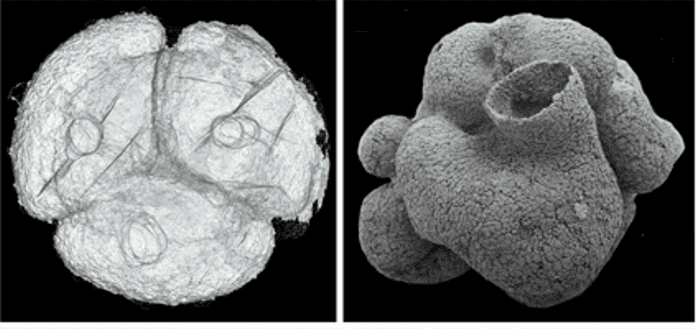

In their review in BioEssays, John Cunningham et al. discuss the origin of animals and whether the fossil record can be reconciled with molecular clock estimates.
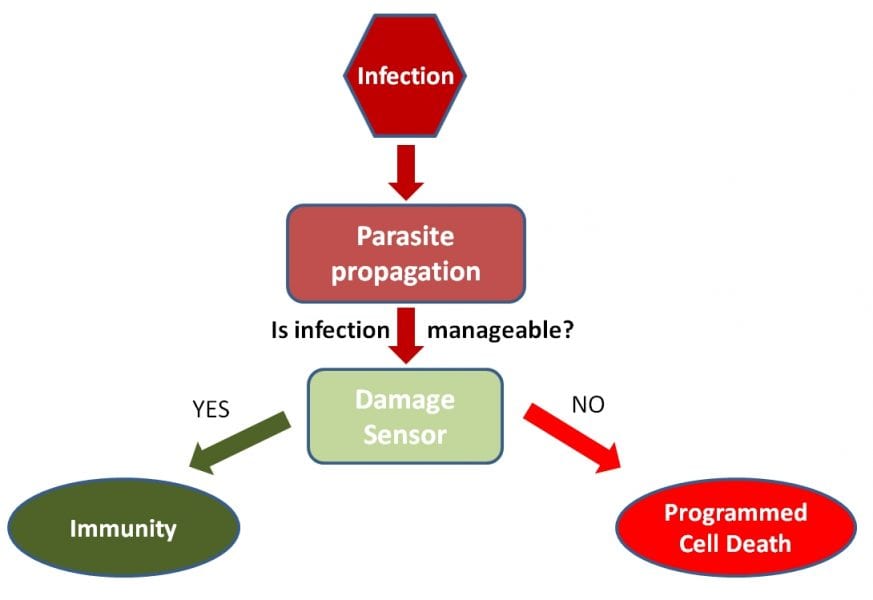
In their review in BioEssays, Eugene Koonin and Feng Zhang discuss the different outcomes when prokaryotes are infected by a virus.

In their hypothesis article in BioEssays, Downing et al. present a testable hypothesis as to why sterile worker castes evolve, and continue to evolve, in many social insect orders: a hypothesis with implications for understanding longevity in general.
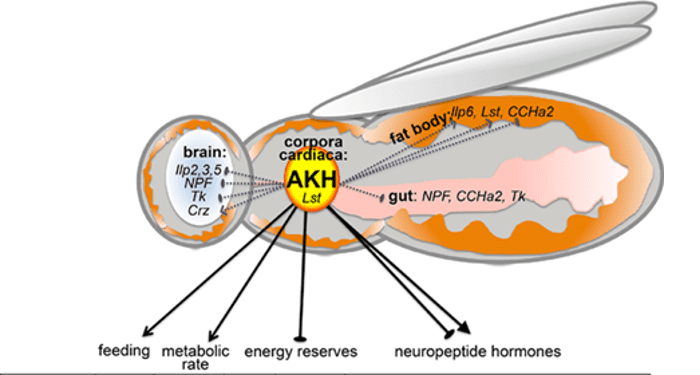
The adipokinetic hormone (AKH), an insect analog of the human hormone glucagon, is a central regulator of energy homeostasis and lipid mobilization in insects. Silencing of the AKH-receptor leads to fly obesity.
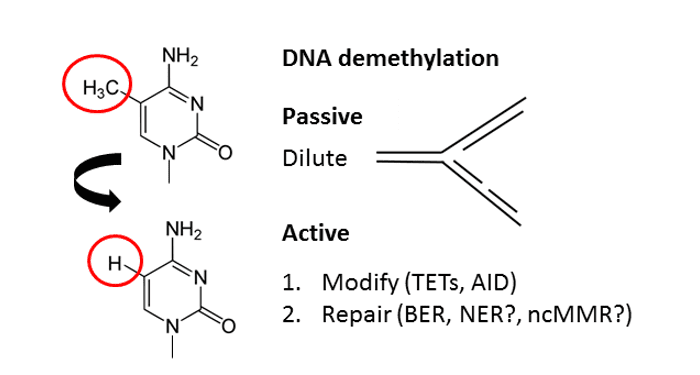
Matthias Bochtler et al. discuss the current state of knowledge surrounding active DNA demethylation pathways.
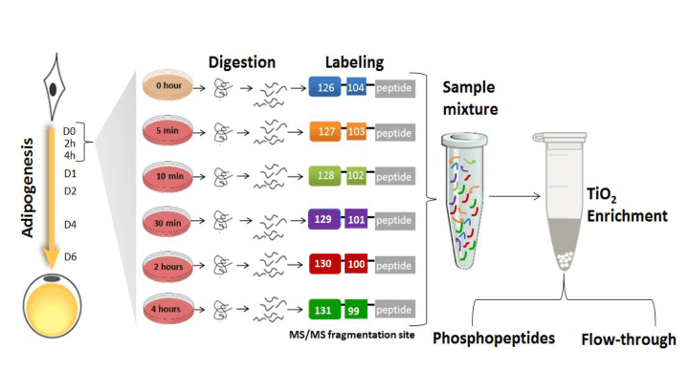
Fat is stored in adipocytes in the adipose tissue. In addition, the tissue contains other cell types including fibroblasts, vascular endothelial cells, immune cells and preadipocytes.
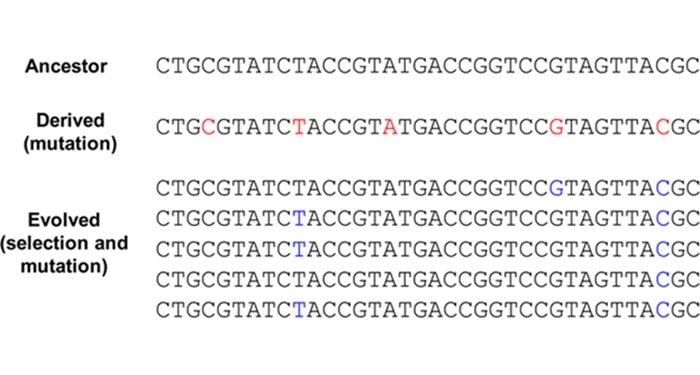
In their review in BioEssays, Bailey et al. present a model of a process that occurs more often than we’d suspect: identical genetic changes in evolutionarily unrelated populations.
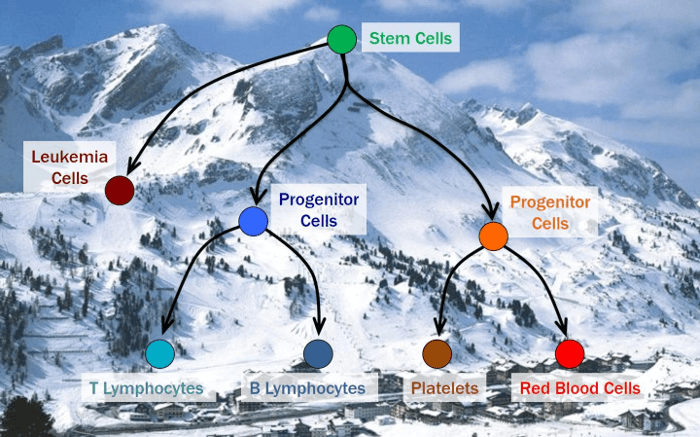
Scientists have established comprehensive maps of the human epigenome, shedding light on how the body regulates which genes are active in which cells.
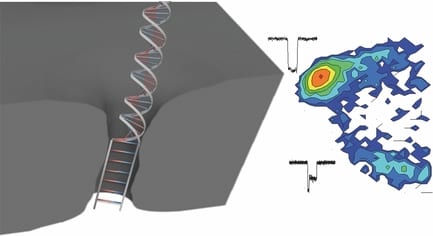
A team from the University of Ottawa, Canada have automatically fabricated 2-nm solid-state nanopores with high yield.
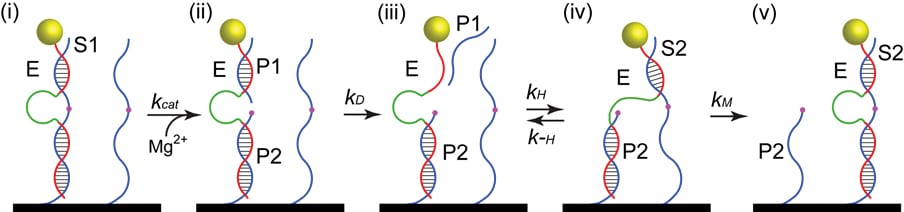
Researchers have created a new type of molecular motor made of DNA and used it it to transport a nanoparticle along the length of a carbon nanotube.
 New theory suggests gravity is not a fundamental force
 Higgs boson may be driving the Universe’s expansion
 Water-powered gadgets may be on the horizon thanks to new evaporation-based energy device
 Scientists discover a new class of antibiotics
 Micron-sized hidden dimensions could solve two of physics’ deepest puzzles
 A new type of dark matter could explain mysterious radiation from the Milky Way’s core