This implantable device acts as mechanical support for damaged tendons and mimics the bioelectrical cues usually provided by collagen during wound healing.
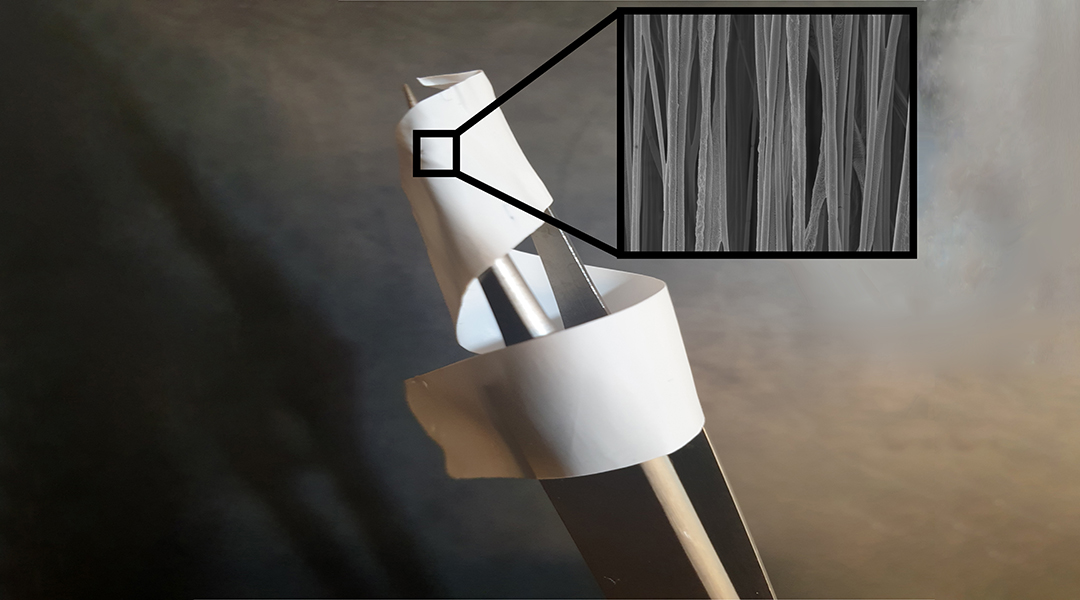

This implantable device acts as mechanical support for damaged tendons and mimics the bioelectrical cues usually provided by collagen during wound healing.

The strong adhesive nature of this artificial tissue combined with its ability to sustain the growth of new cells helps solve long-standing challenges with these types of grafts.
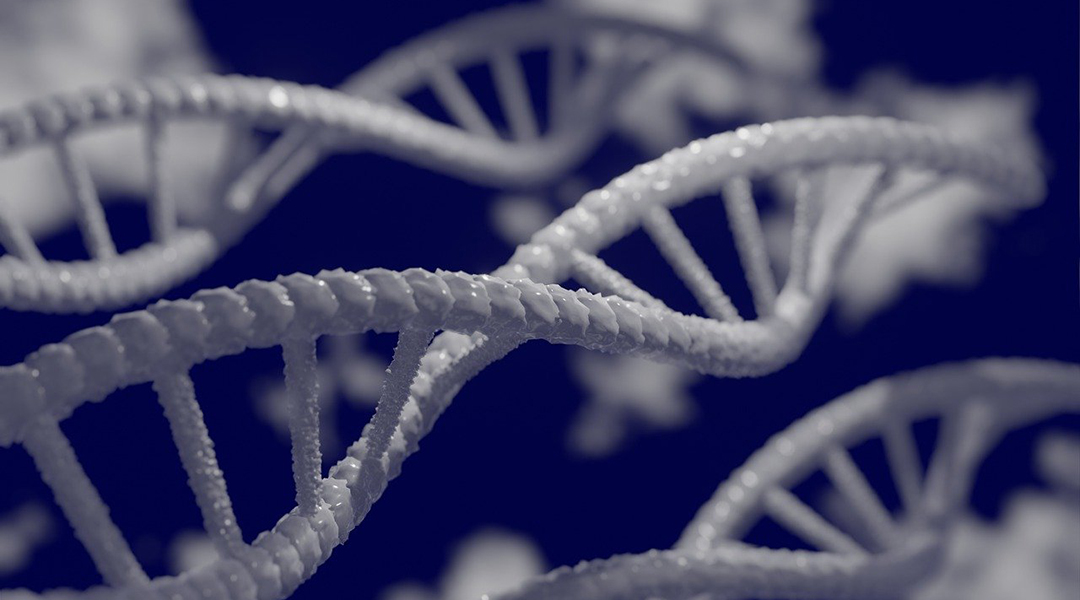
Fitting hydrogels with aptamer-based ligands can open doors for a range of new biomedical applications.
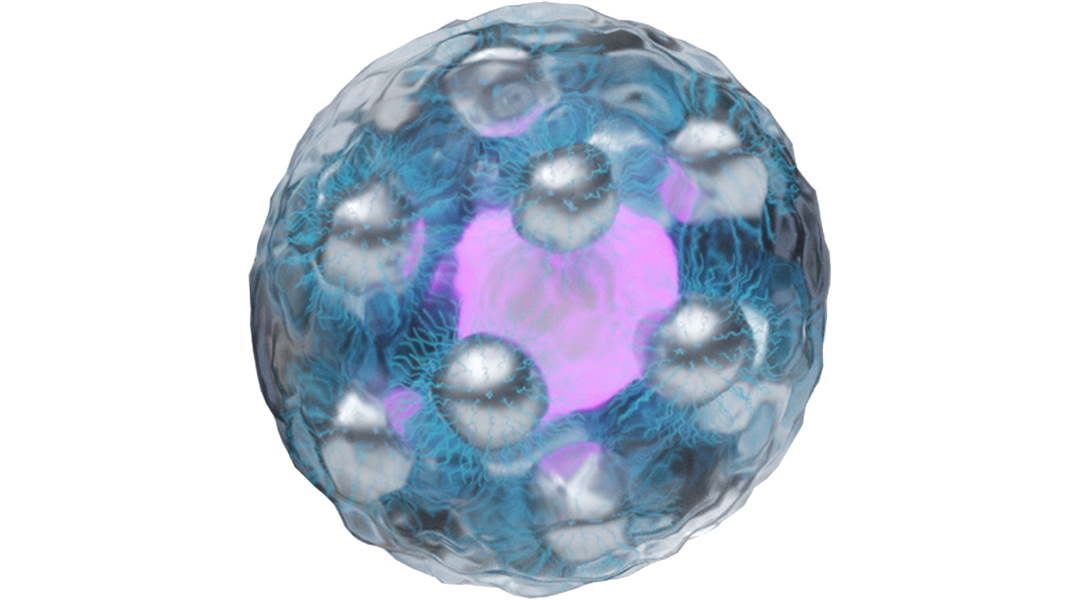
A minimally invasive method holds promise for the treatment of neurological disorders and injury.
A new class of hydrogels leverage light for better drug delivery and regenerative medicine treatment.
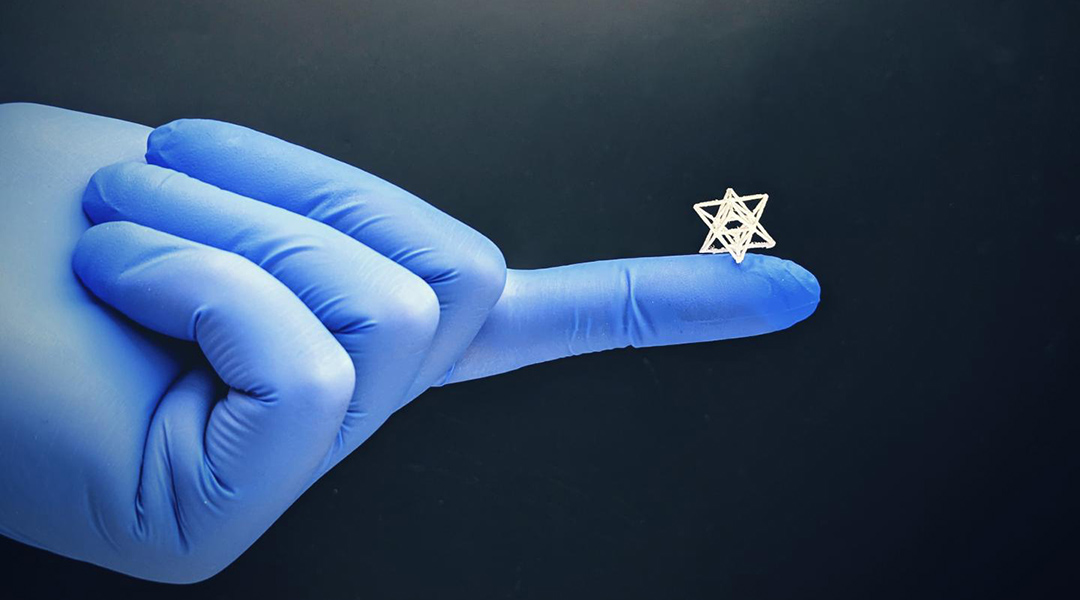
Researchers have flipped traditional 3D printing to create some of the most intricate biomedical structures yet.

A team of scientists are making skin cancer recovery surgeries safer using a material hydrogel that mimics natural cartilage.
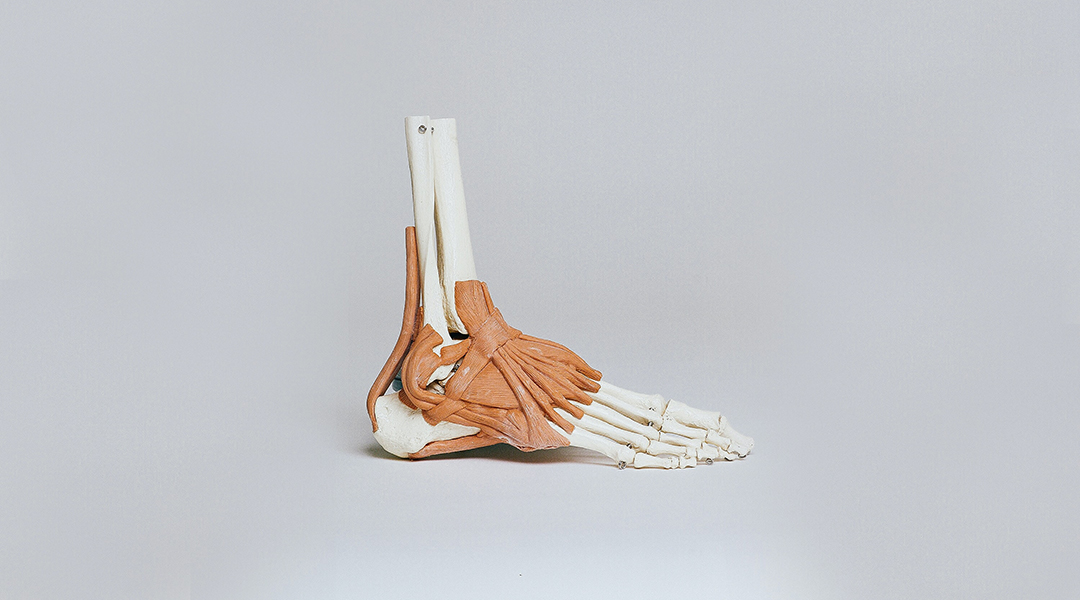
Micropillar arrays using UV nanoimprint lithography essentially trick cells to become bone.
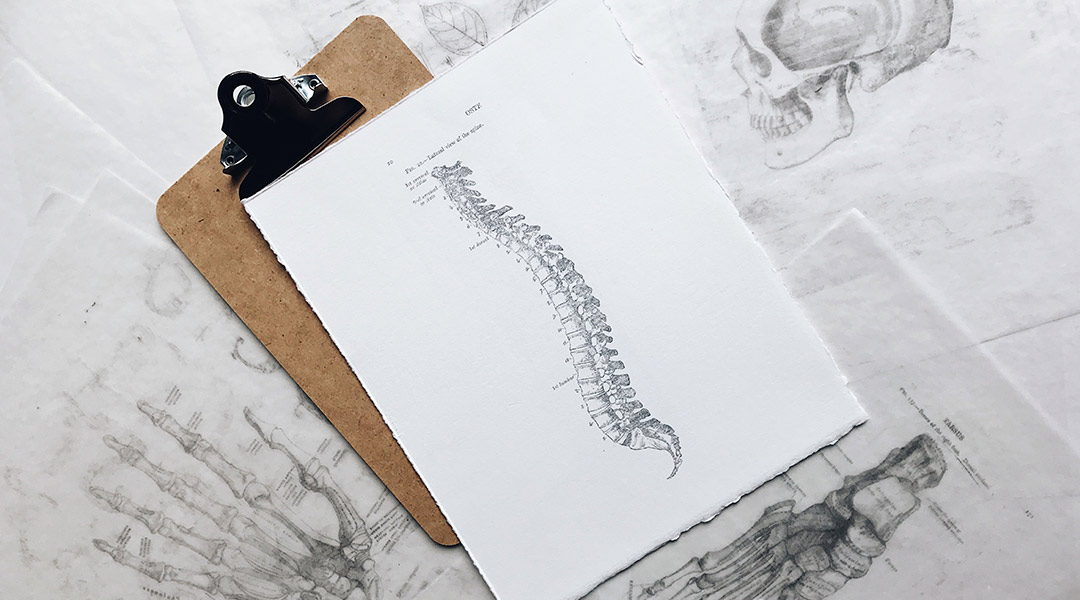
A hydrogel loaded with drugs to simultaneously regenerate nerve tissues and blood supply shows promise for promoting recovery after spinal cord damage.
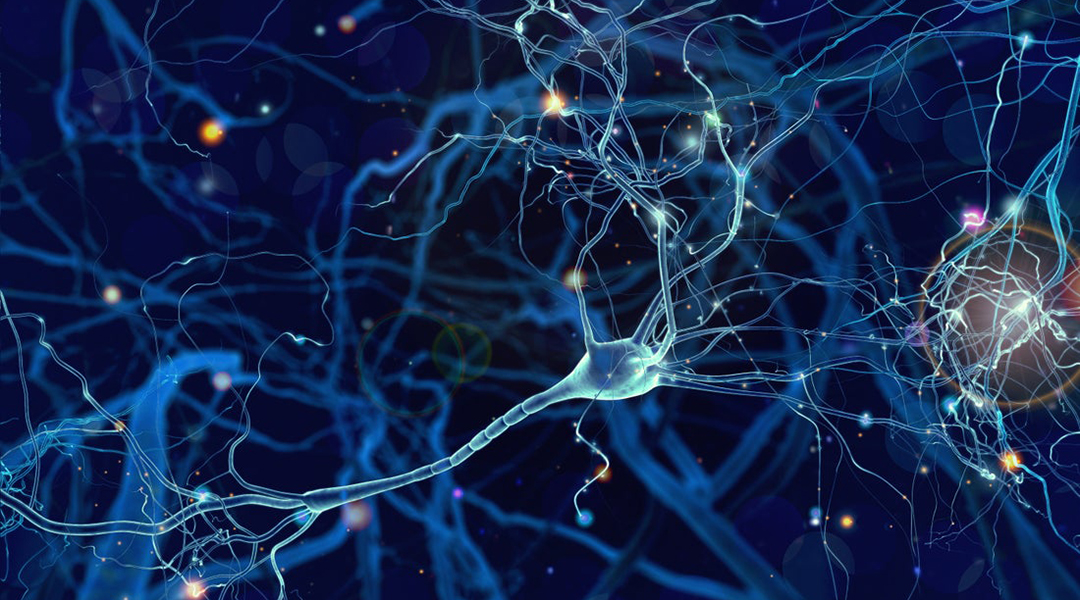
A new study provides hope for Parkinson’s disease, showing that neuron grafts using patients’ own cells have the potential to manage and even reverse symptoms.

 Micron-sized hidden dimensions could solve two of physics’ deepest puzzles
 Turning Periods into Power: Menstrual Blood a Valuable Resource for Medical Diagnostics
 Surfactants Steer Supraparticle Structure
 Bone loss in obesity traced to gut microbiota
 Edible electronics realize safe, complex monitoring devices
 Fermilab Confirms Muon g-2 Measurements