Antibiotic-resistant bacteria are becoming a major global threat. Novel antibacterial nanomaterials offer a solution.
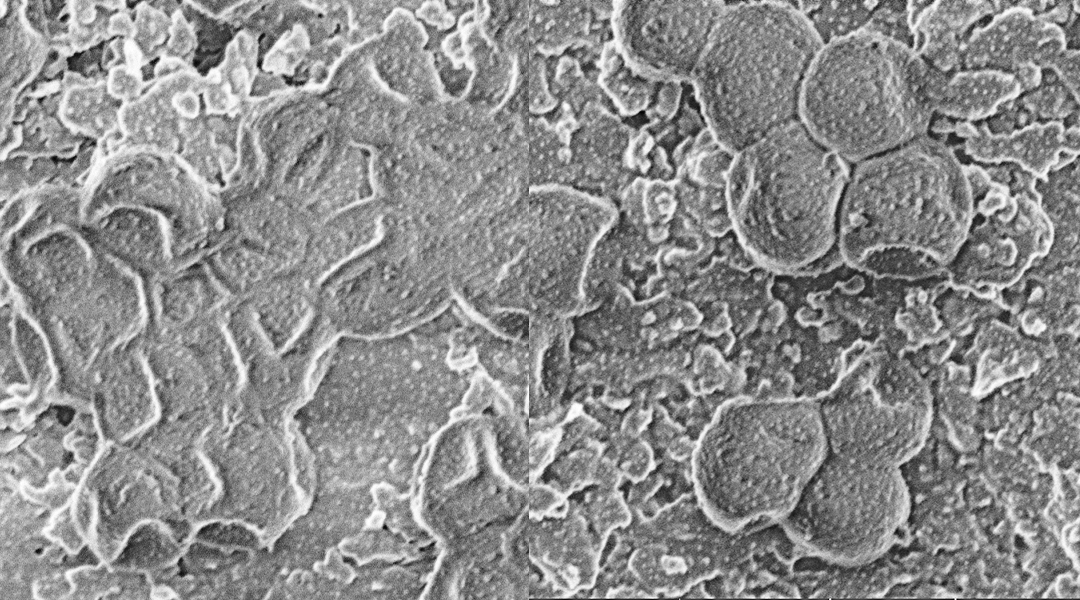

Antibiotic-resistant bacteria are becoming a major global threat. Novel antibacterial nanomaterials offer a solution.
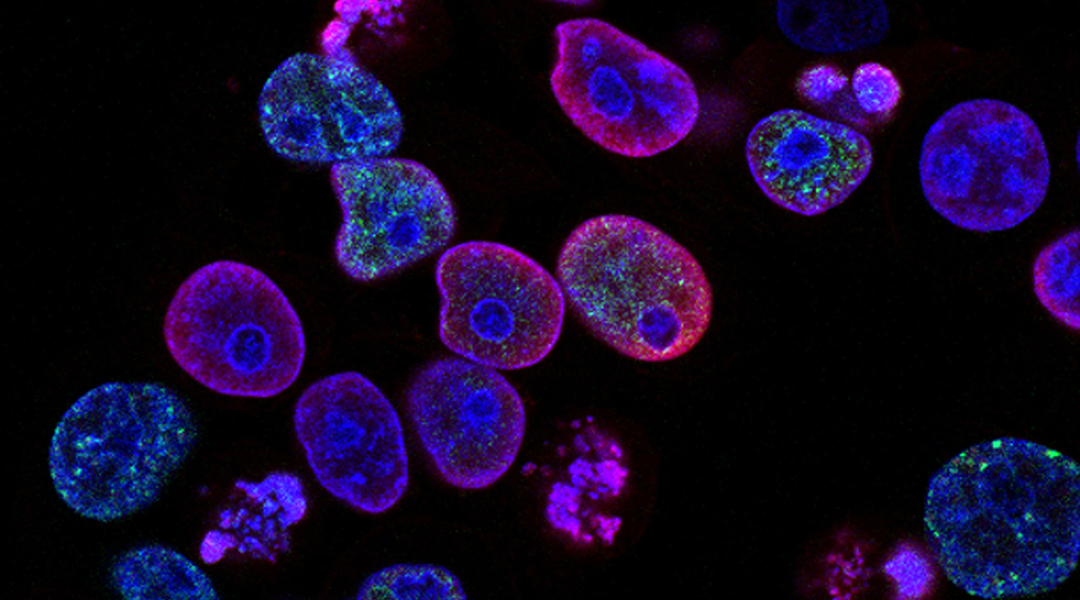
Researchers at the University of Munich have demonstrated a conceptually novel nanocarrier strategy in which the nanoparticles are both the cargo and the carrier.

A new AI system can identify optimal combinations of drugs and dosages in a matter of days to help halt viral pandemics before they reach global scales.
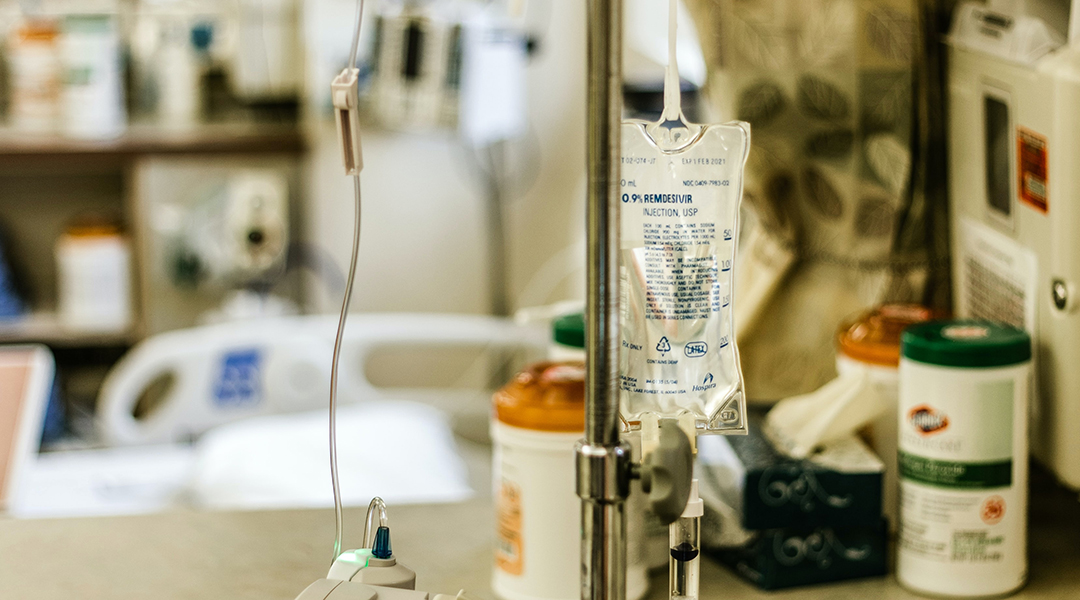
Remdesivir, an anti-viral agent known to be effective against MERS, is already in human trials as researchers search for a treatment for COVID-19.
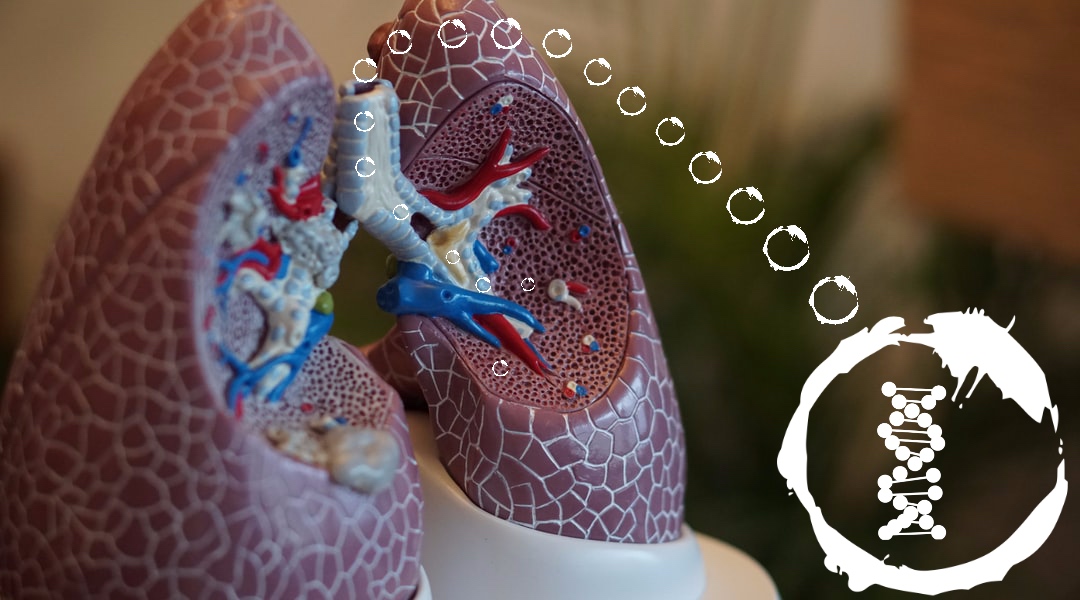
A nanocarrier that can deliver siRNA into the lungs is investigated for the treatment of severe asthma and other lung diseases.
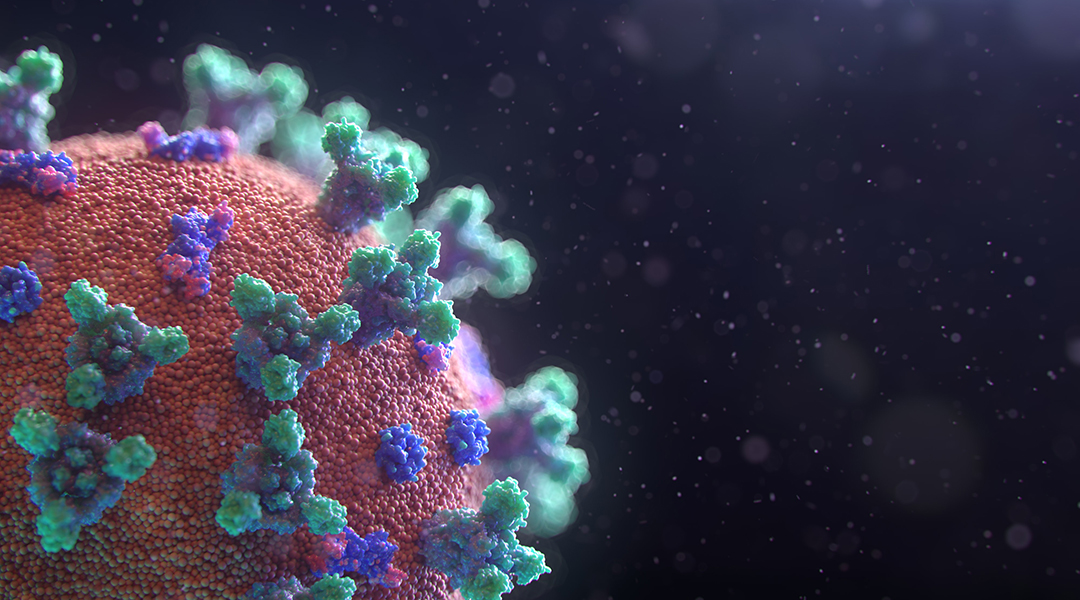
RNA elements that are found in the genomes of numerous representatives within the same virus family provide new opportunities to expand the repertoire of targets for the development of antiviral therapy.
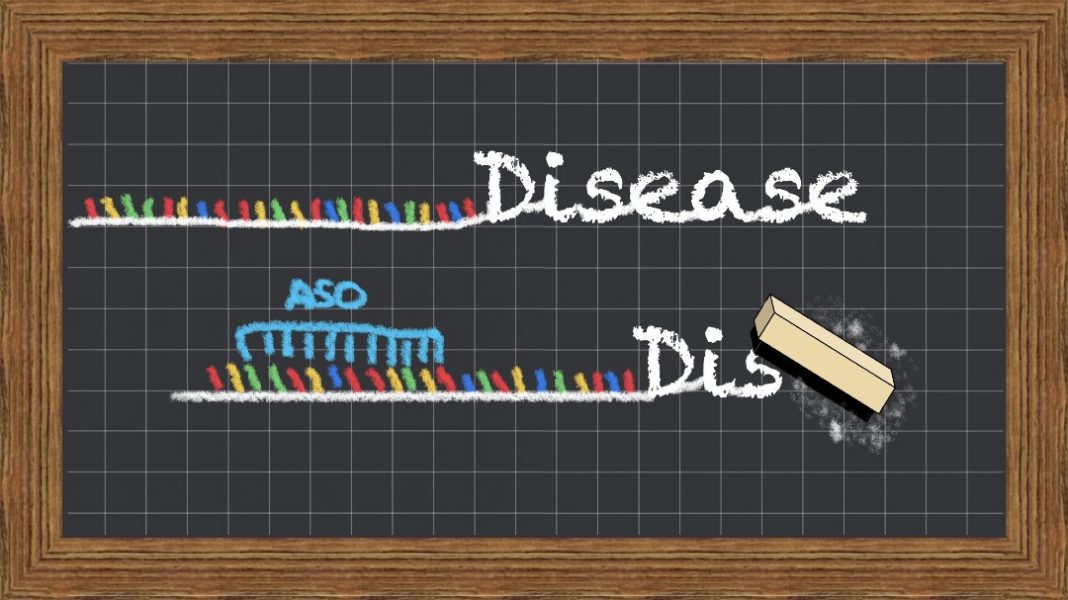
A blackboard of therapeutic innovation: Researchers seek to understand how antisense oligonucleotides can “erase” disorders.
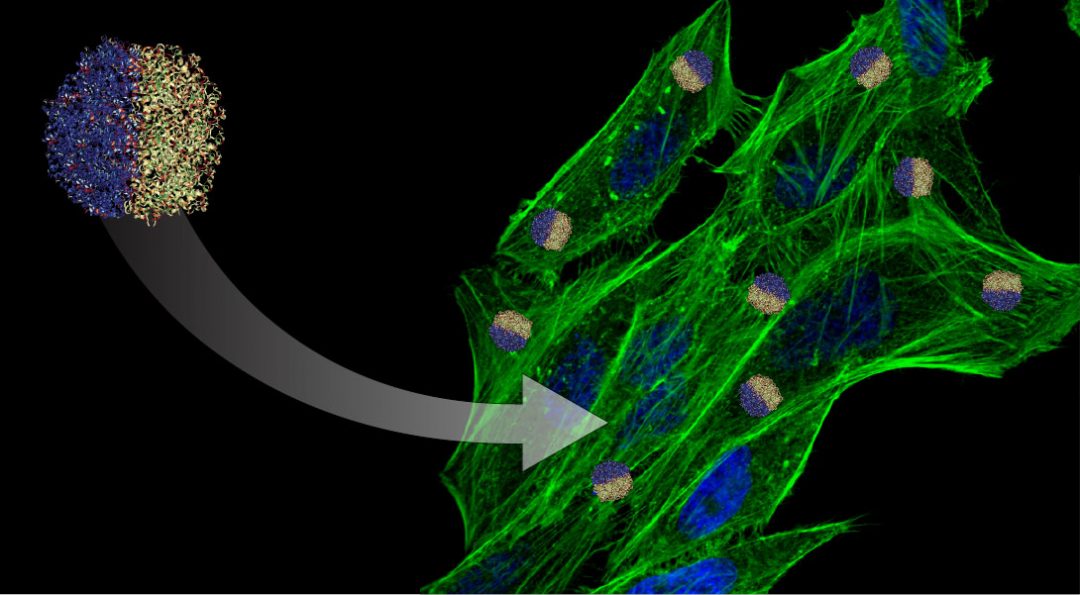
The Lahann Lab at the University of Michigan discusses how nanomedicine benefits by bridging biology, engineering, and materials.

Exploring advances in extracellular vesicles research made in the last ten-years and how its leading to better clinical applications.
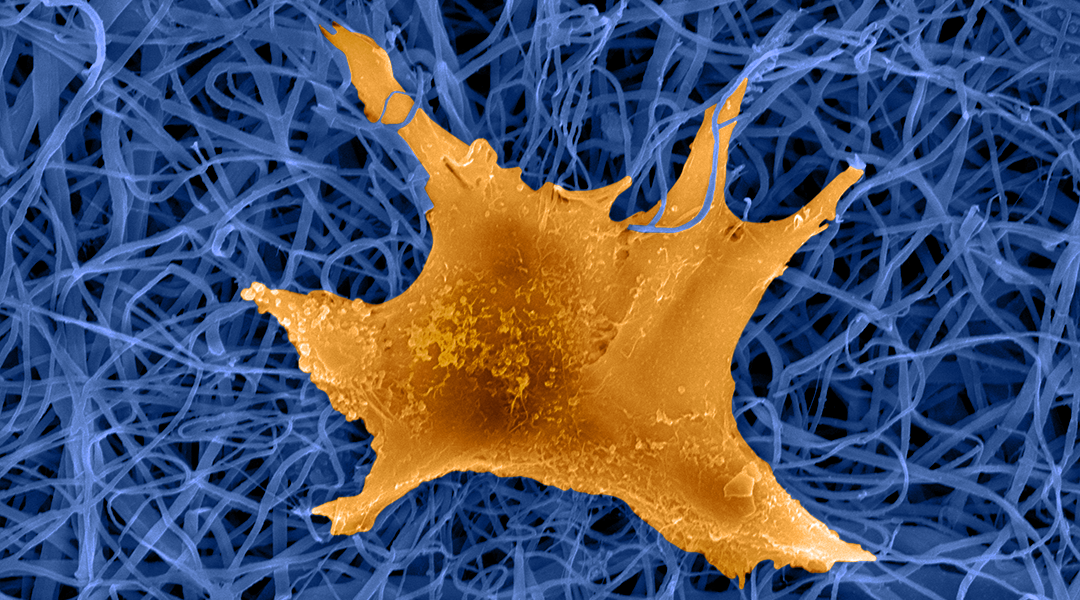
Electrospinning is an emerging fabrication technology that holds great promise in advancing skin tissue engineering and in developing an array of novel therapies.
 New theory suggests gravity is not a fundamental force
 Higgs boson may be driving the Universe’s expansion
 Water-powered gadgets may be on the horizon thanks to new evaporation-based energy device
 Scientists discover a new class of antibiotics
 Micron-sized hidden dimensions could solve two of physics’ deepest puzzles
 A new type of dark matter could explain mysterious radiation from the Milky Way’s core