Fitting hydrogels with aptamer-based ligands can open doors for a range of new biomedical applications.


Fitting hydrogels with aptamer-based ligands can open doors for a range of new biomedical applications.
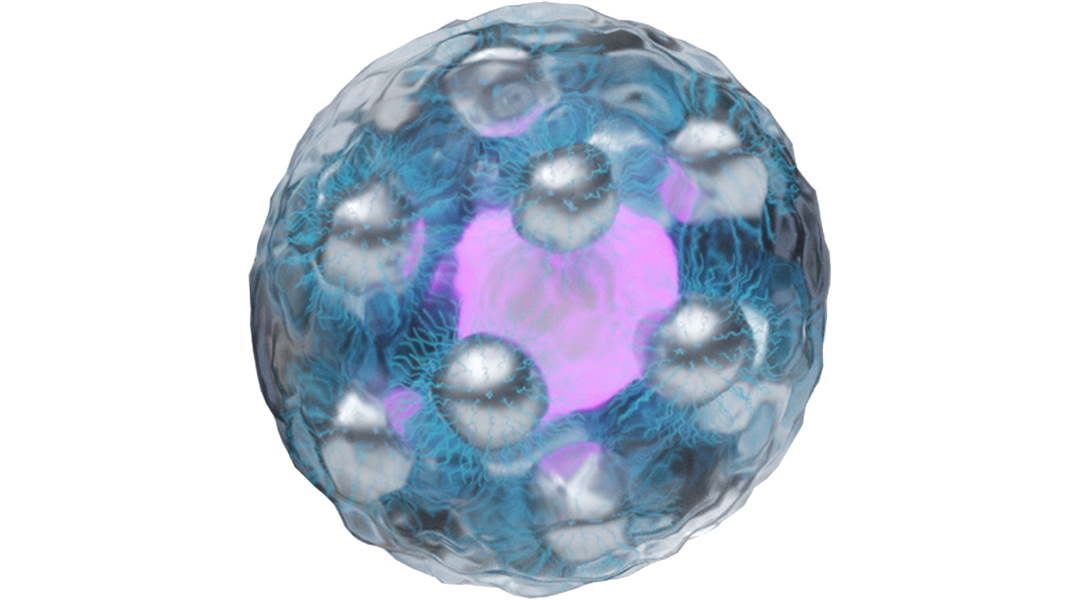
A minimally invasive method holds promise for the treatment of neurological disorders and injury.
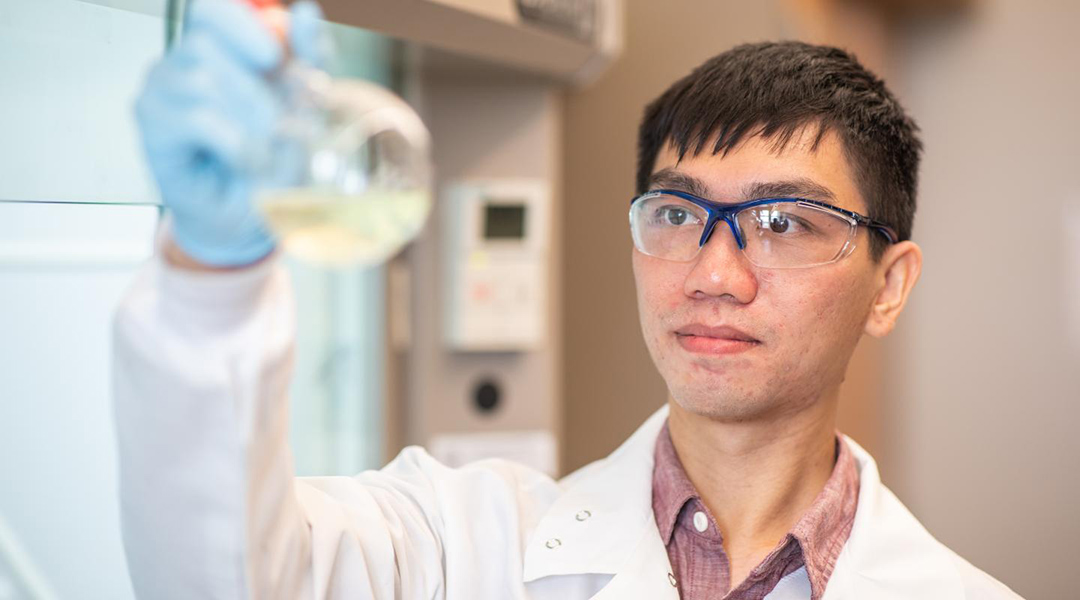
A new class of hydrogels leverage light for better drug delivery and regenerative medicine treatment.
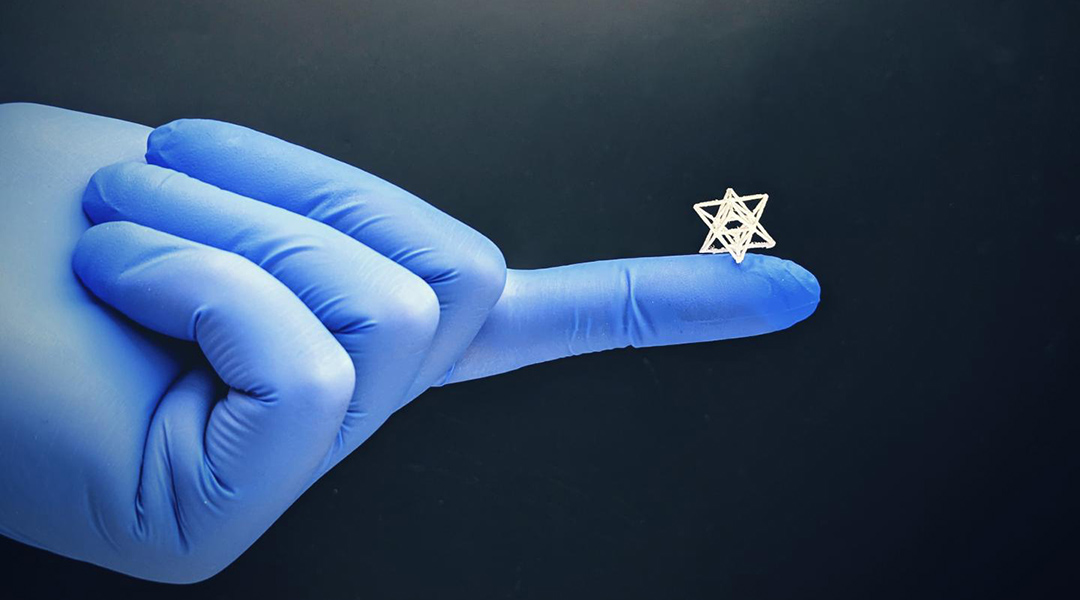
Researchers have flipped traditional 3D printing to create some of the most intricate biomedical structures yet.

A team of scientists are making skin cancer recovery surgeries safer using a material hydrogel that mimics natural cartilage.
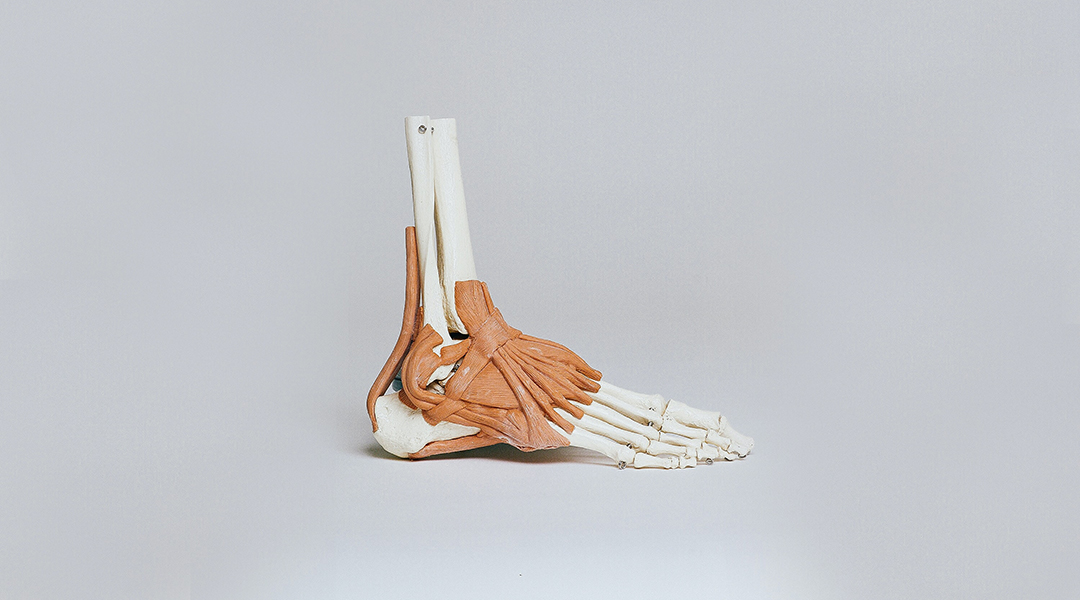
Micropillar arrays using UV nanoimprint lithography essentially trick cells to become bone.
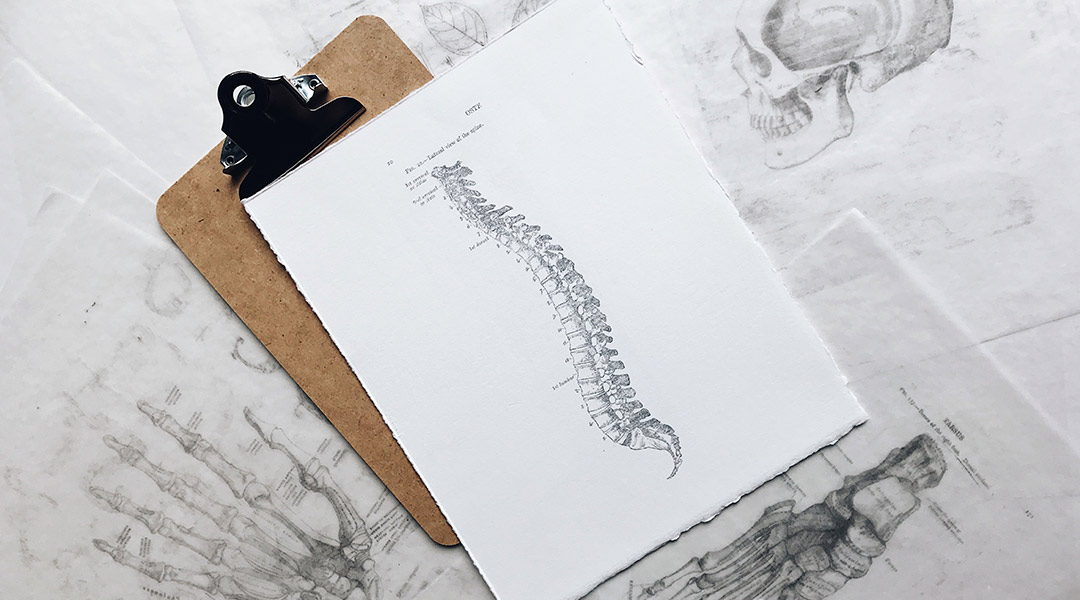
A hydrogel loaded with drugs to simultaneously regenerate nerve tissues and blood supply shows promise for promoting recovery after spinal cord damage.

A new study provides hope for Parkinson’s disease, showing that neuron grafts using patients’ own cells have the potential to manage and even reverse symptoms.
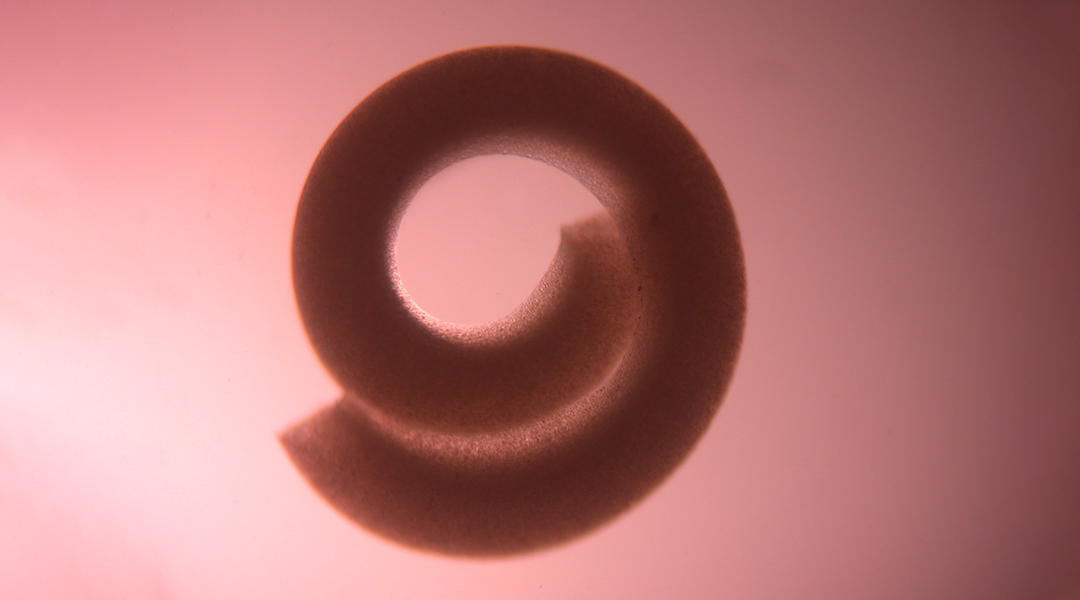
A new hydrogel can incorporate high cell density constructs to better mimic the rearrangement of native tissue in bioengineering.
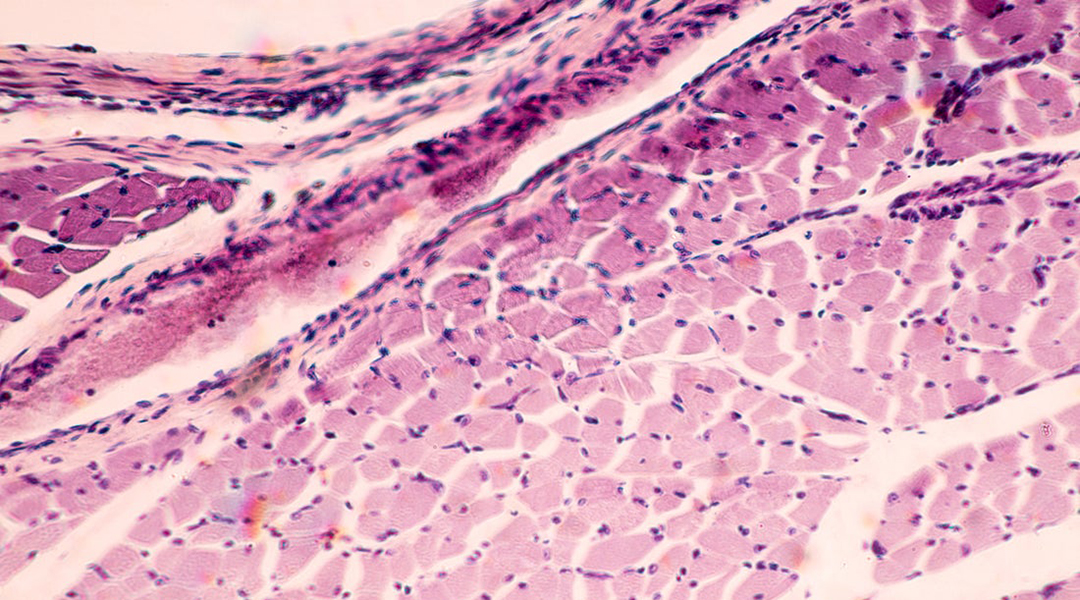
A new tissue regeneration strategy that employs direct cell reprogramming in combination with a new hybrid scaffold shows promise in proof-of-concept study.
 New theory suggests gravity is not a fundamental force
 Higgs boson may be driving the Universe’s expansion
 Water-powered gadgets may be on the horizon thanks to new evaporation-based energy device
 Scientists discover a new class of antibiotics
 Micron-sized hidden dimensions could solve two of physics’ deepest puzzles
 Turning Periods into Power: Menstrual Blood a Valuable Resource for Medical Diagnostics