An inventive new approach lowers the limit of detection for a common assay, allowing researchers to identify elusive biomarkers in complex fluids, like the blood.
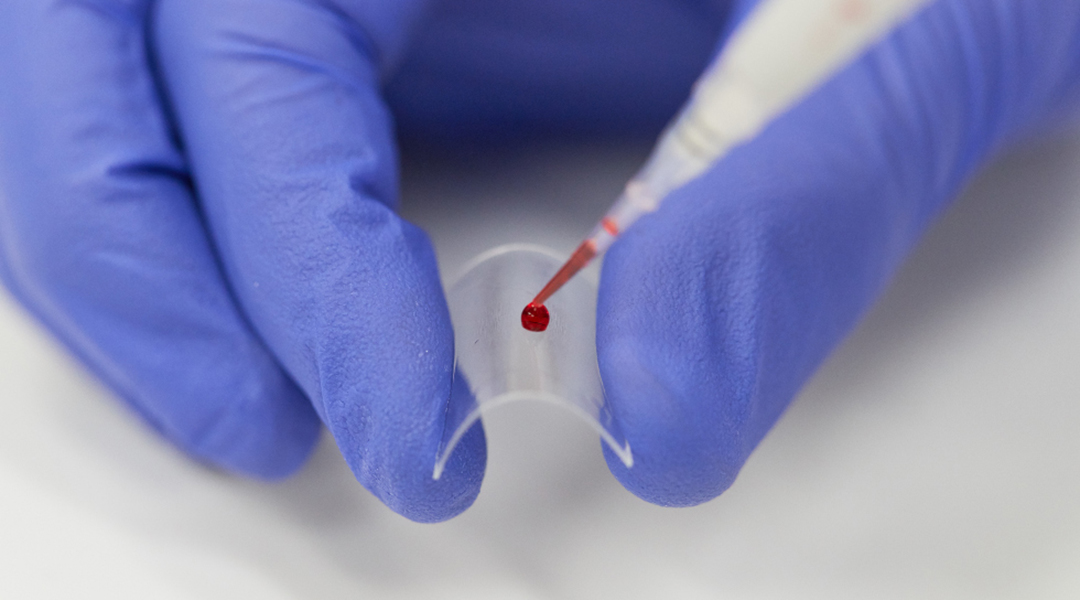

An inventive new approach lowers the limit of detection for a common assay, allowing researchers to identify elusive biomarkers in complex fluids, like the blood.
A new vaccine adjuvant, which helps stimulate the immune system, has been developed based on two chemicals that are produced by the body.

Peatlands are among the most valuable ecosystems on Earth but when damaged are a major source of greenhouse gas emissions.

The Swansea-based materials physicist talks about the role of energy materials in mitigating climate change, his love of sports, and how his passion for science helps it to blend seamlessly into his life.
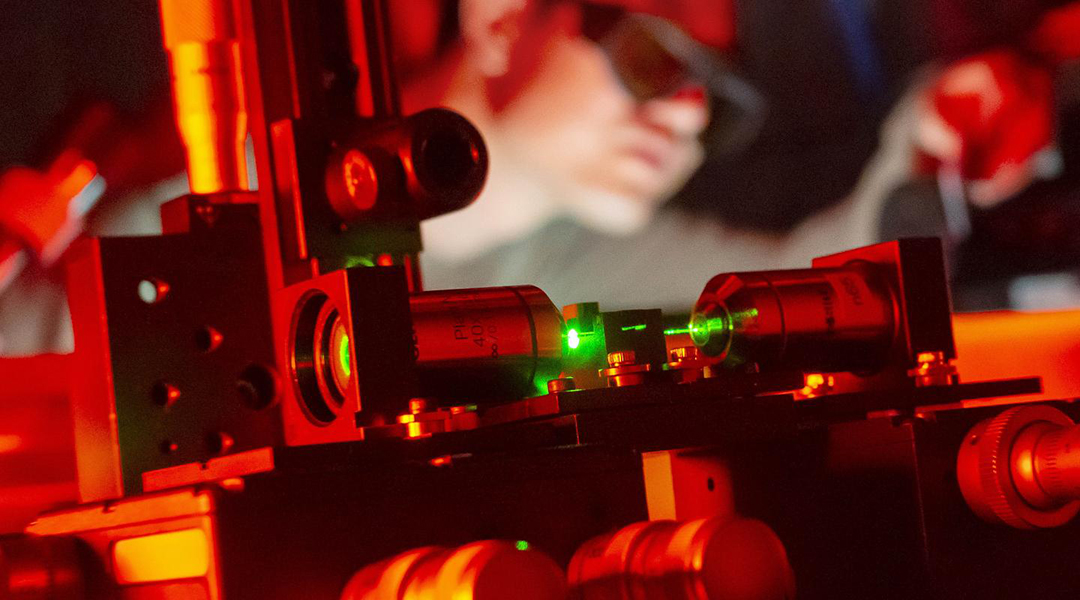
New hybrid optical fibers contain 2D materials that enhance light-matter interactions and open doors for a range of new technological advancements.
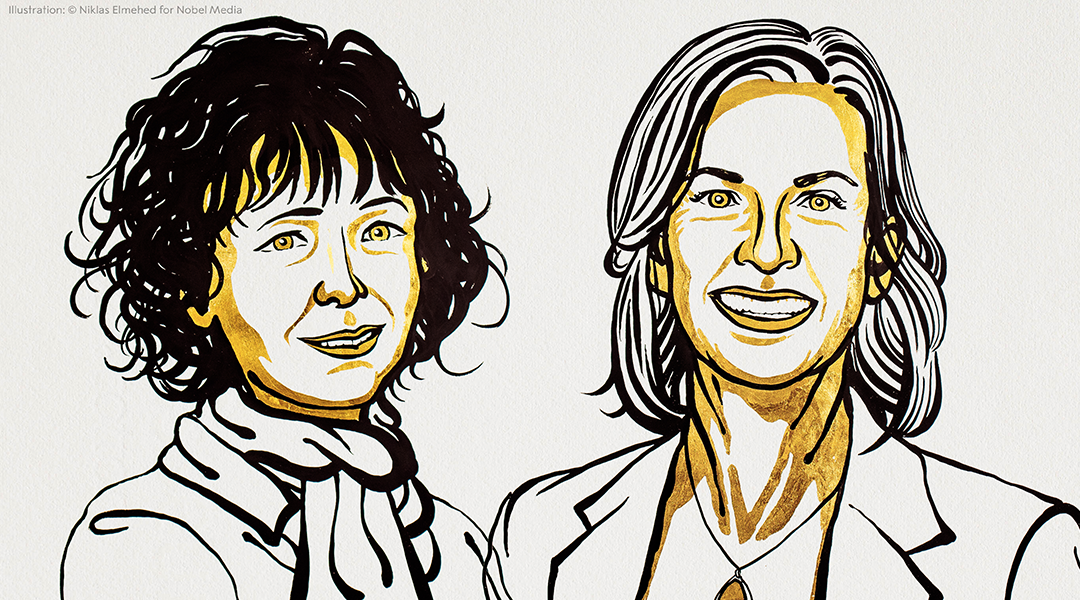
For the first time, two women share the Nobel prize for chemistry. Their work with CRISPR helped usher in a new generation of precision genome editing.
Could a new understanding of silicon surfaces someday revolutionize semiconductor technologies?

How can we overcome bullying within academia?

Celebrating “10 years of Advanced Energy Materials Research,” we chatted with Stefano Passerini, Director of the HIU about his career, concerning trends in battery science, and how Dante has influenced his development.

Some species of butterfly rely on shade to regulate their body temperature when it gets too hot.

 Micron-sized hidden dimensions could solve two of physics’ deepest puzzles
 Turning Periods into Power: Menstrual Blood a Valuable Resource for Medical Diagnostics
 Surfactants Steer Supraparticle Structure
 Bone loss in obesity traced to gut microbiota
 Edible electronics realize safe, complex monitoring devices
 Fermilab Confirms Muon g-2 Measurements