Research on artificial biofilms to enable the integration of electrogenic microorganisms in biofuel cell technology is presented.


Research on artificial biofilms to enable the integration of electrogenic microorganisms in biofuel cell technology is presented.
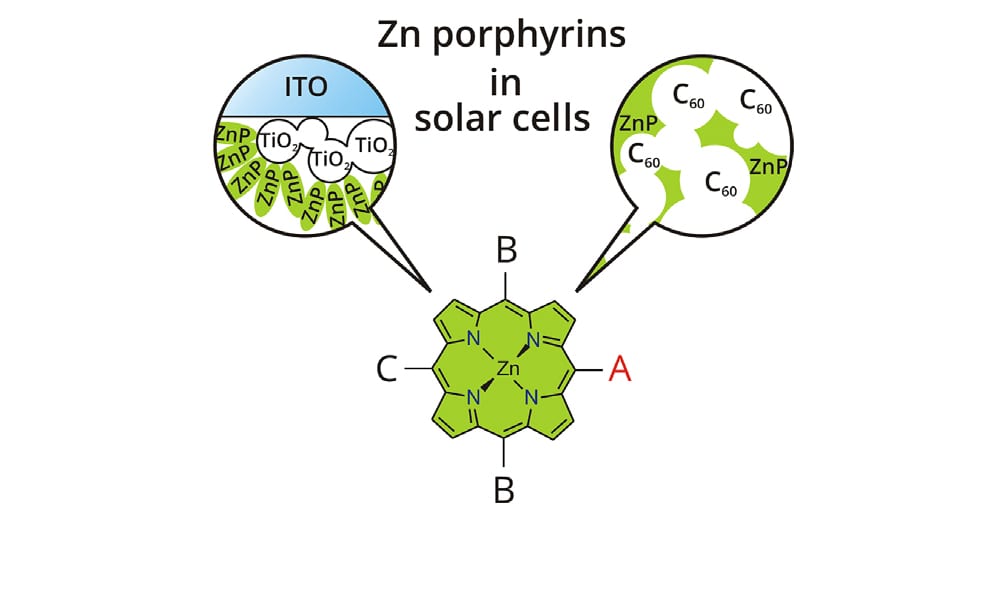
A review of the latest development in the molecular design of zinc porphyrins for dye-sensitized solar cells.
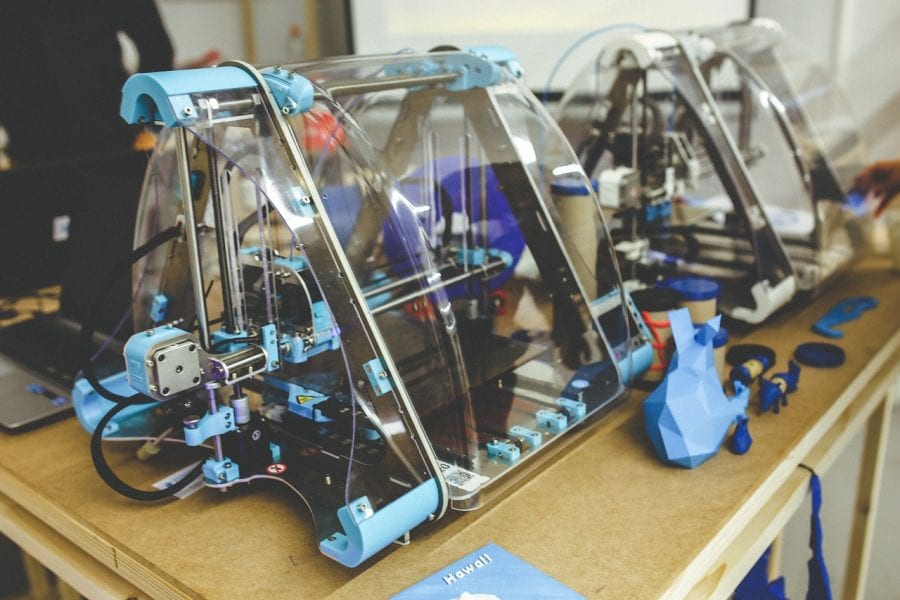
The fundamental capabilities of inkjet and aerosol jet printing relevant to electrochemical devices are reviewed and future challenges are discussed.
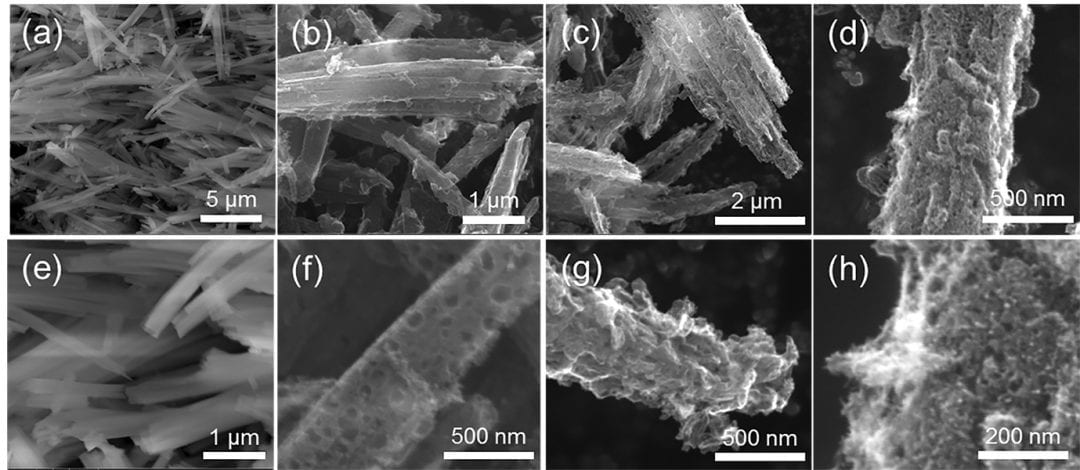
A highly efficient one-dimensional ORR carbon catalyst via a MOF-derived approach.
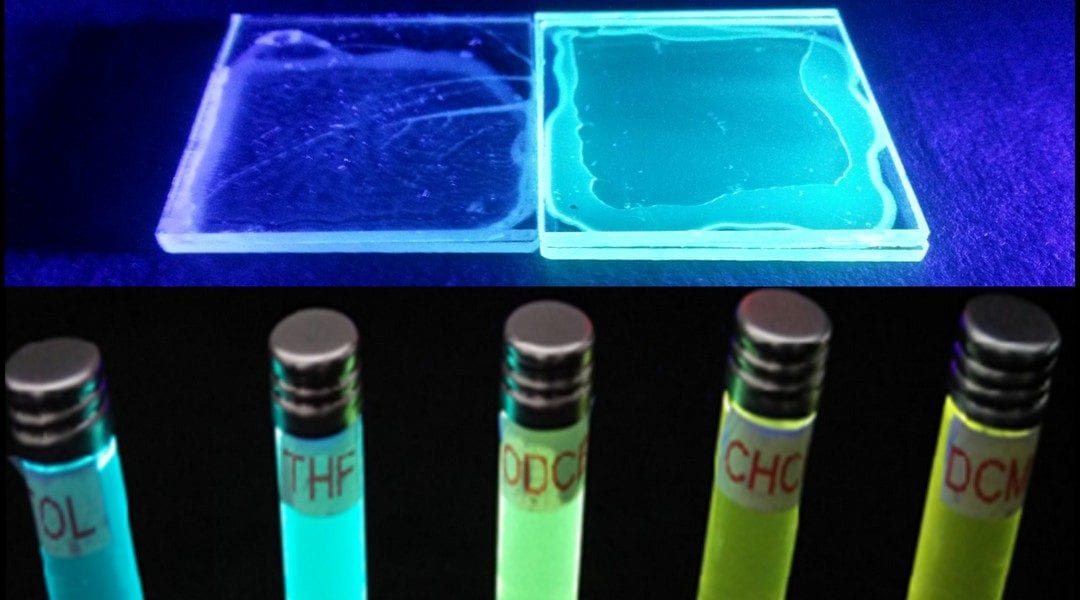
Thermally activated delayed fluorescence (TADF)-type compounds have potential to become high-efficiency-solid-state lighting technologies in the future.

With the research project NEST-DC the technological basis is set for high performance electronic circuit breakers.
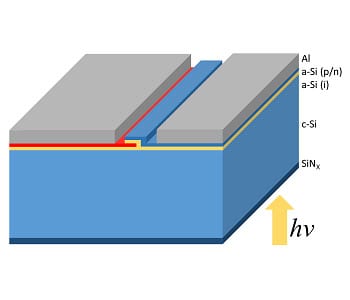
Replacing the commonly used ITO/Ag contact stack with aluminum allows for an increased efficiency and lower manufacturing costs of heterojunction solar cells.

Quantum mechanical calculations uncover lithium-stable materials out of a variety of chemistry across the periodic table.
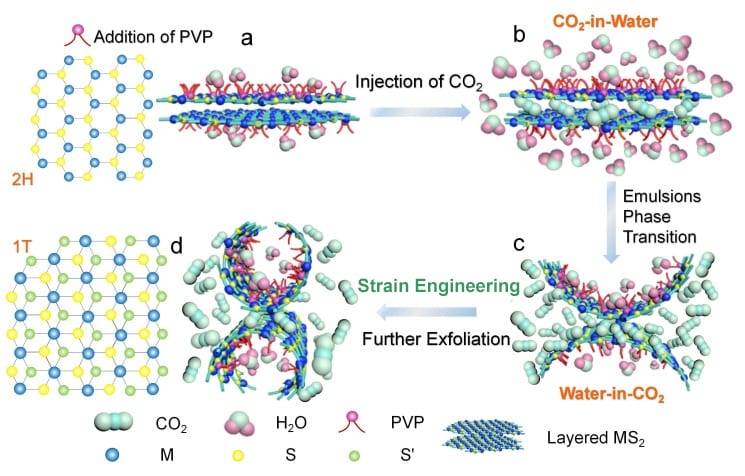
Supercritical carbon dioxide induced reverse micelles were used to create metallic 1T-phase molybdenum disulfide and tungsten disulfide nanosheets for hydrogen generation.
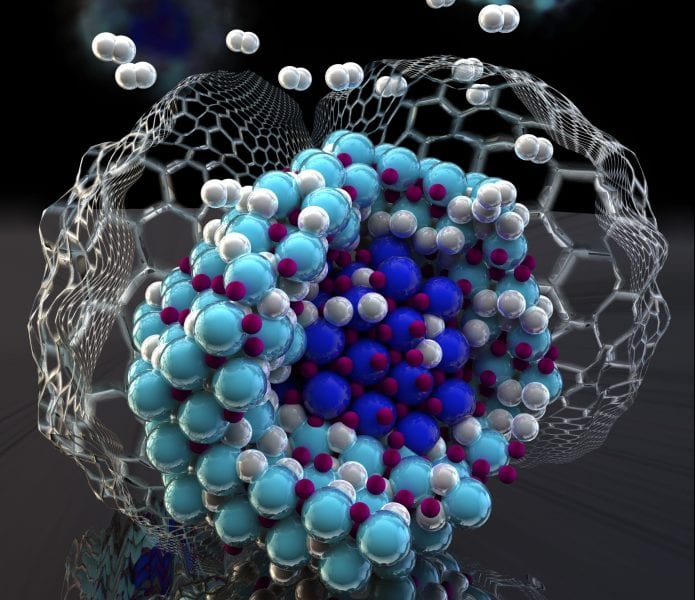
Internal interfaces in the Li3N/[LiNH2 + 2LiH] solid-state hydrogen storage system alter the hydrogenation and dehydrogenation reaction pathways upon nanosizing, suppressing undesirable intermediate phases to dramatically improve kinetics and reversibility.
 New theory suggests gravity is not a fundamental force
 Higgs boson may be driving the Universe’s expansion
 Water-powered gadgets may be on the horizon thanks to new evaporation-based energy device
 Scientists discover a new class of antibiotics
 Micron-sized hidden dimensions could solve two of physics’ deepest puzzles
 A new type of dark matter could explain mysterious radiation from the Milky Way’s core