Scientists are using carbon filaments from mushrooms in supercapacitors, paving the way for a sustainable energy future.
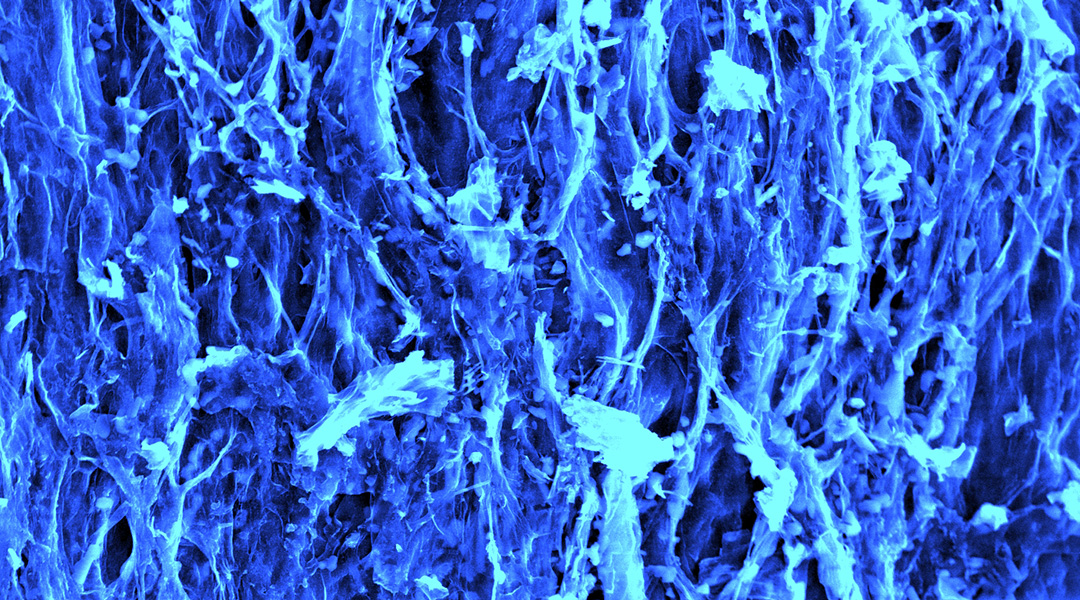

Scientists are using carbon filaments from mushrooms in supercapacitors, paving the way for a sustainable energy future.
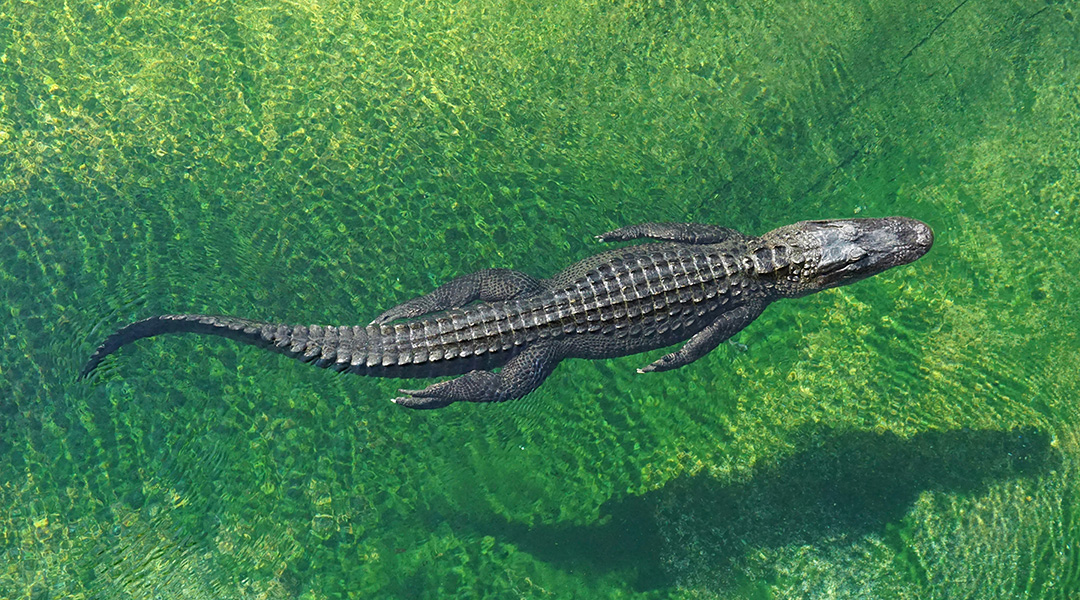
The decline of freshwater megafauna, including river dolphins, hippos, and crocodiles, is triggering significant consequences for ecosystems.

Abandoning traditional practices led to intense dry season fires, drastically altering biodiversity and increasing greenhouse gas emissions.
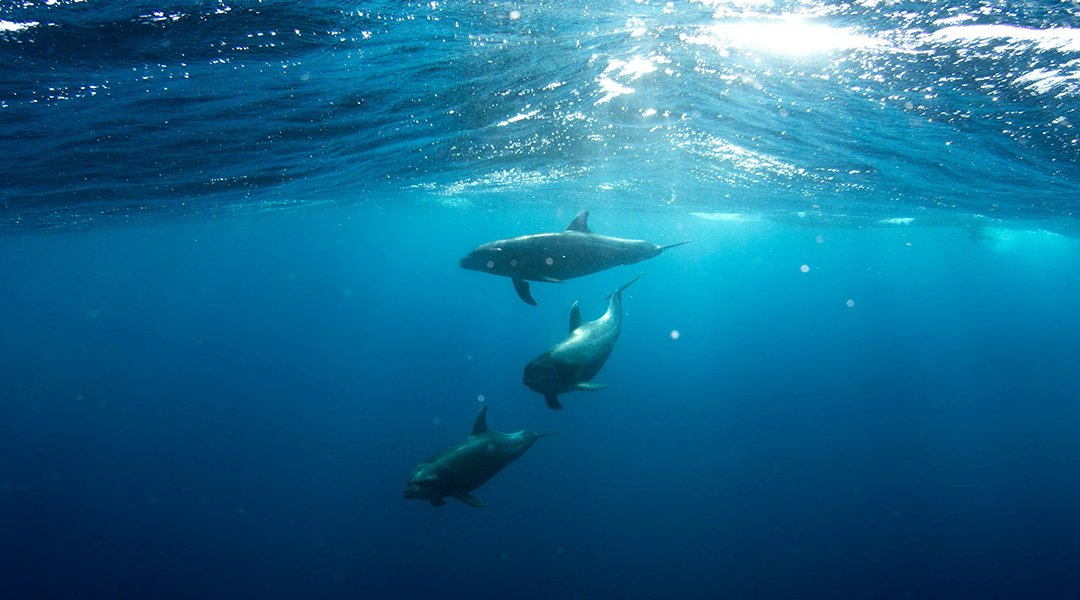
A transparent underwater robot camouflages itself to explore the ocean, reducing encounters with delicate sea life.

Gold nanoparticle clusters boosted the efficiency of titanium dioxide in degrading a toxic dye called methyl orange.

A material derived from avocado pruning waste and bio-polyethylene combines high strength with biodegradability.

Modifying hydrogen fuel cells with caffeine helped protect them from degradation, resulting in up to 11-fold increase in activity.
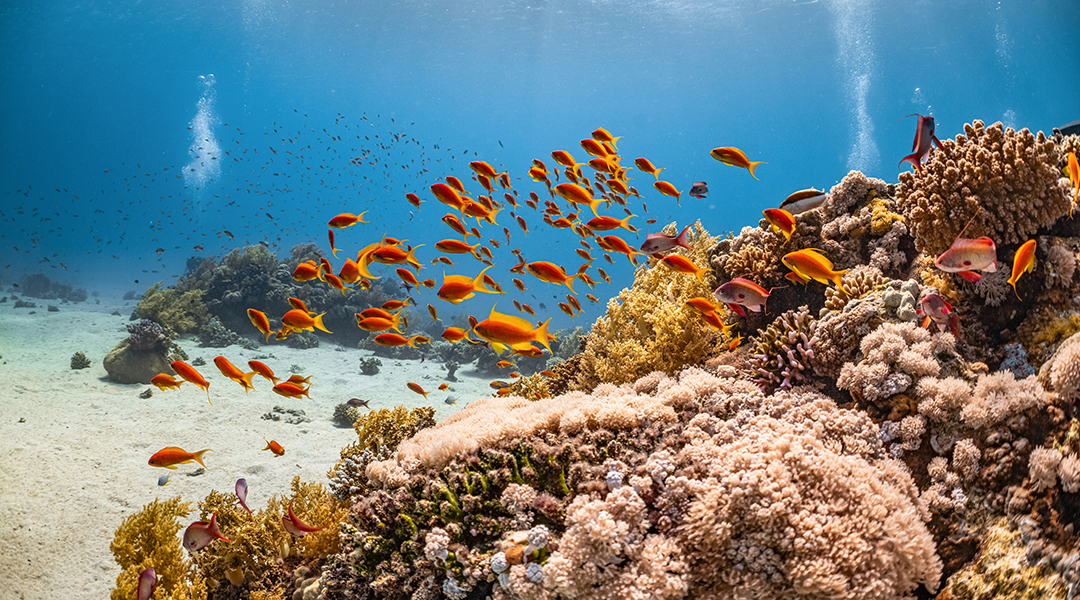
Mapping genetic connections between coral reefs allows scientists to identify and prioritize those acting as regional larval sources.
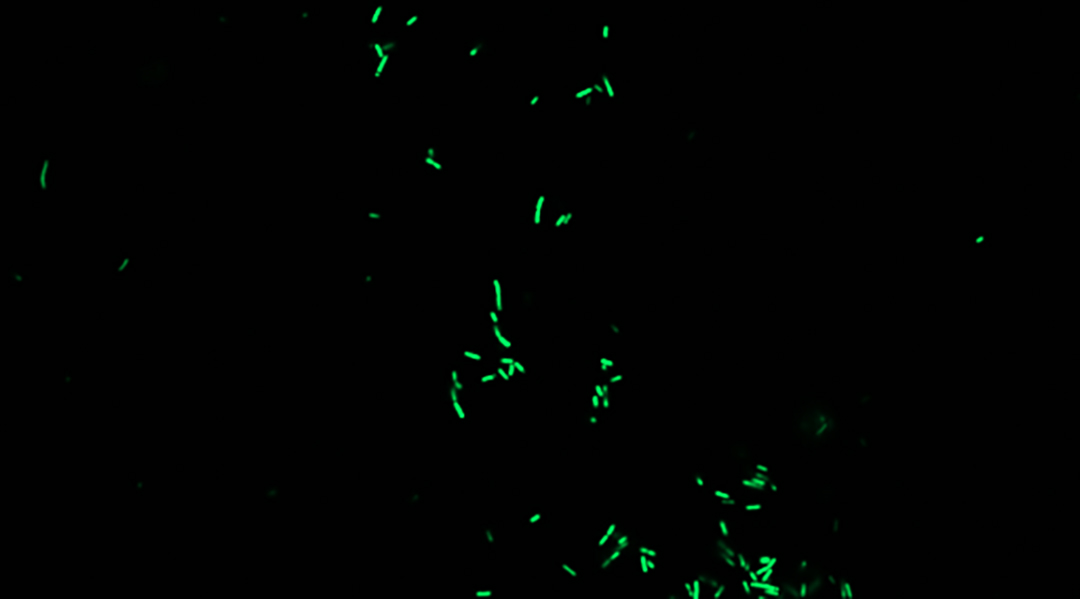
First living biosensor developed to study honeybee gut microbiome, providing insights into health and conservation.
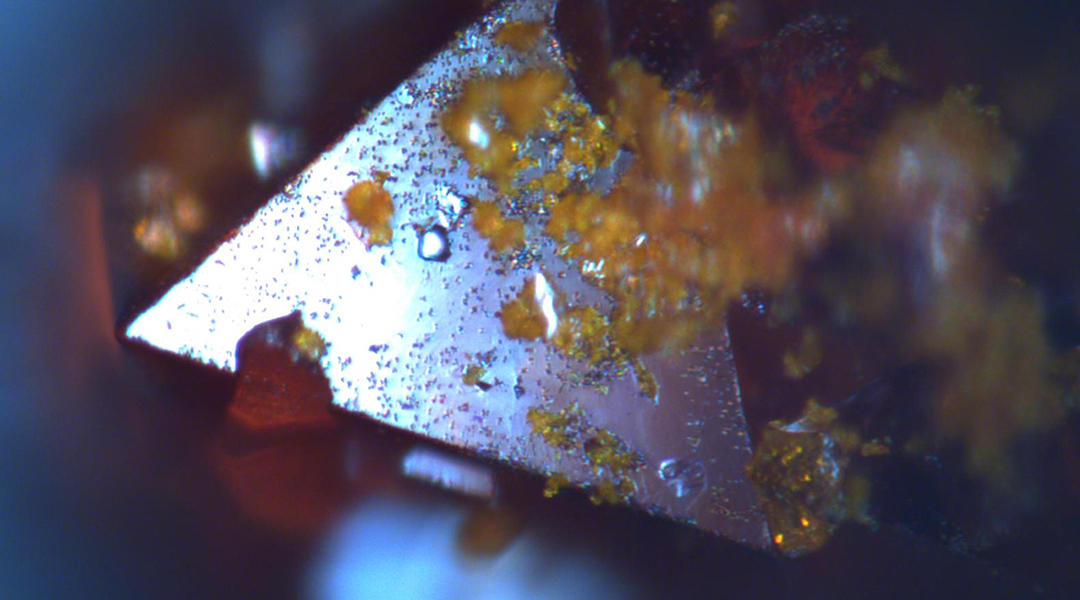
Study uncovers stability hurdles in a promising lead-free solar cell material, signaling potential for a cleaner energy future.
 New theory suggests gravity is not a fundamental force
 Higgs boson may be driving the Universe’s expansion
 Water-powered gadgets may be on the horizon thanks to new evaporation-based energy device
 Scientists discover a new class of antibiotics
 Micron-sized hidden dimensions could solve two of physics’ deepest puzzles
 A new type of dark matter could explain mysterious radiation from the Milky Way’s core