Using a variety of techniques to develop hybrid scavenger nanoparticles, researchers in China have created an efficient and reusable water filter to effectively clean polluted water up to safe drinking standards.


Using a variety of techniques to develop hybrid scavenger nanoparticles, researchers in China have created an efficient and reusable water filter to effectively clean polluted water up to safe drinking standards.
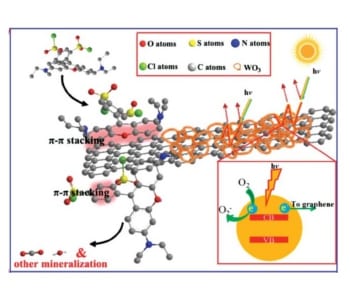
A WO3–graphene photocatalyst has been developed that can efficiently degrade the dye Rhodamine B.
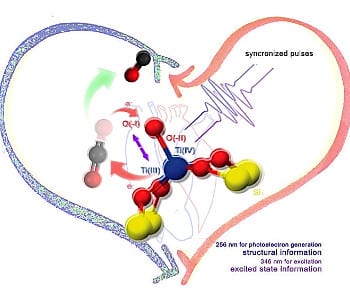
4D ultra-fast electron microscopy can peer into and peel away the most subtle details and beauty of photocatalysis, providing a new sharp focus realism of human-made nano machinery for the solar powered fixation of CO2 to fuels and chemical feedstocks.
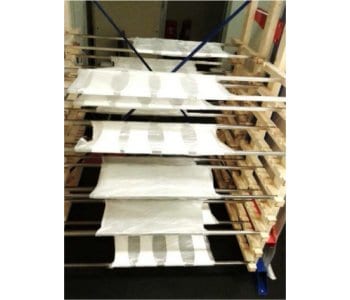
It is shown that soft fillers significantly influence the long-term stability of silicone elastomers.

Salzgitter AG and TU Braunschweig realize a research hydropower plant in Lower Saxony.
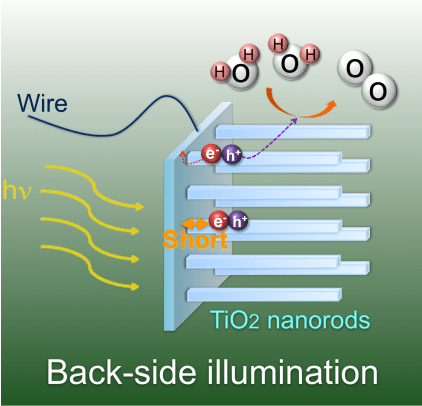
Researchers from Singapore show that charge transport in titanium dioxide nanorods can be enhanced by doping with niobium.

Take a look at the great cover images from the March issues and top five most downloaded articles this month.
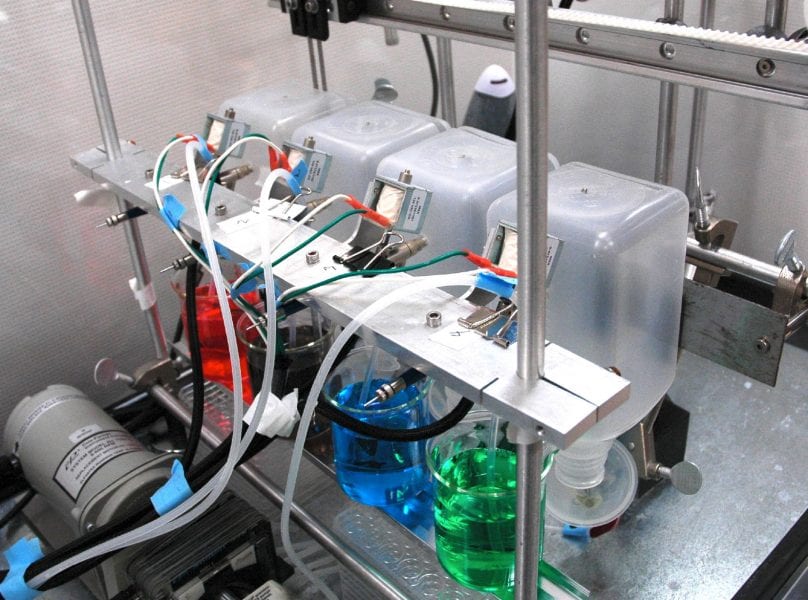
Layer-by-layer assembly (or LbL assembly for short) is a promising candidate for scaling up the production of thin films to meet industry needs.
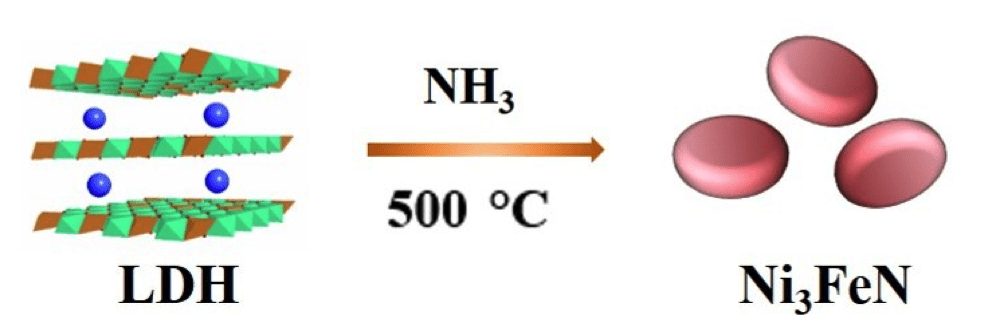
Chinese researchers have reported Ni3FeN nanoparticlessynthesized by thermal ammonolysis of ultrathin NiFe- layered double hydroxide (LDH) nanosheets.
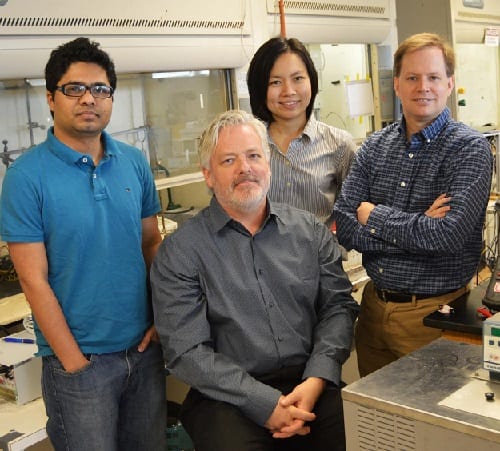
Researchers have proven that concentrated light, heat and high pressures can drive the one-step conversion of CO2 and water into liquid hydrocarbon fuels.

 Micron-sized hidden dimensions could solve two of physics’ deepest puzzles
 Turning Periods into Power: Menstrual Blood a Valuable Resource for Medical Diagnostics
 Surfactants Steer Supraparticle Structure
 Bone loss in obesity traced to gut microbiota
 Edible electronics realize safe, complex monitoring devices
 Fermilab Confirms Muon g-2 Measurements