AMI presents the impressive covers of its current issue, highlighting electrochemistry, acoustic streaming, superhydrophobicity, and precision APT.
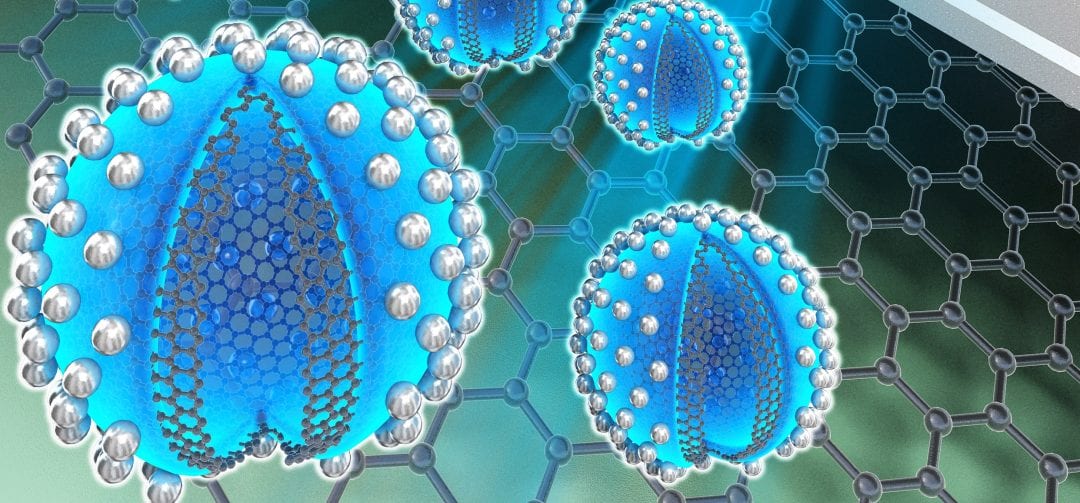

AMI presents the impressive covers of its current issue, highlighting electrochemistry, acoustic streaming, superhydrophobicity, and precision APT.

Dr. Marta Mas-Torrent and her team are developing high-performance electrolyte-gated field-effect transistors (EGOFETs), electronic devices capable of working in an aqueous environment.
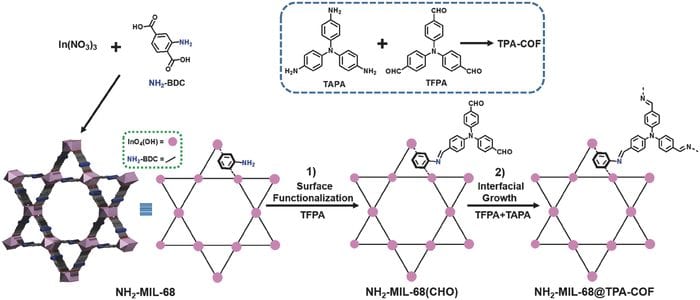
Hua Zhang and his colleagues in Nanyang Technological University presented an elegant strategy to synthesize a novel MOF@COF core-shell hybrid material.

Wood could potentially replace petrol in chemistry and concrete in construction, according to studies conducted under the Swiss Research Programme “Resource Wood”.

Spanish researcher found a way to replace bisphenol-A with limonene in polycarbonates.

Researchers from Sun Yat-sen University, China, prepare a composite based on nickel nitride and sulfide nanosheets as the anode material for lithium ion batteries. The composite has enhanced cycle stability and lithiation capacity compared to the nitride and sulfide alone.

Wine bottles and cups can be treated and disinfected with special UV radiation.
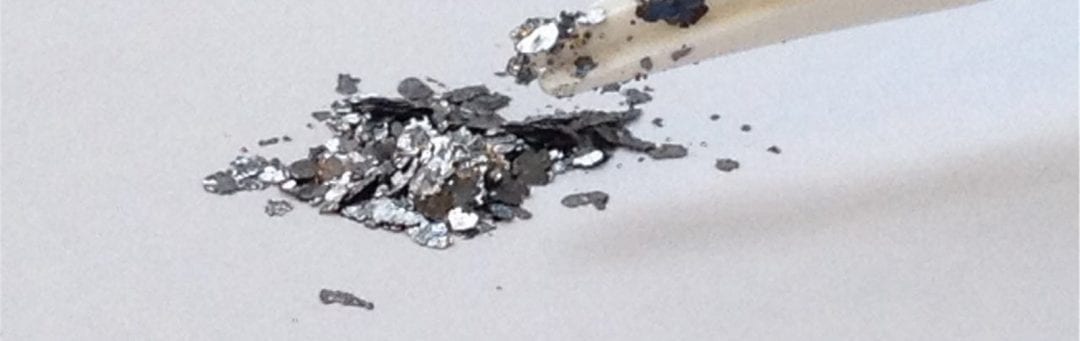
Swiss researchers have discovered a promising approach to how we might produce batteries out of waste graphite and scrap metal.
A review by Aubriot and co-workers aims to understand how scientific literature has addressed, whether explicitly or implicitly, the relationship between water knowledge, technology and power.

Citizen science projects work best when there is community buy-in, when their purposes are clearly defined at the outset, and when the motivations and skill-sets of all participants and stakeholders are well understood.

 Micron-sized hidden dimensions could solve two of physics’ deepest puzzles
 Turning Periods into Power: Menstrual Blood a Valuable Resource for Medical Diagnostics
 Surfactants Steer Supraparticle Structure
 Bone loss in obesity traced to gut microbiota
 Edible electronics realize safe, complex monitoring devices
 Fermilab Confirms Muon g-2 Measurements