Supercritical carbon dioxide induced reverse micelles were used to create metallic 1T-phase molybdenum disulfide and tungsten disulfide nanosheets for hydrogen generation.
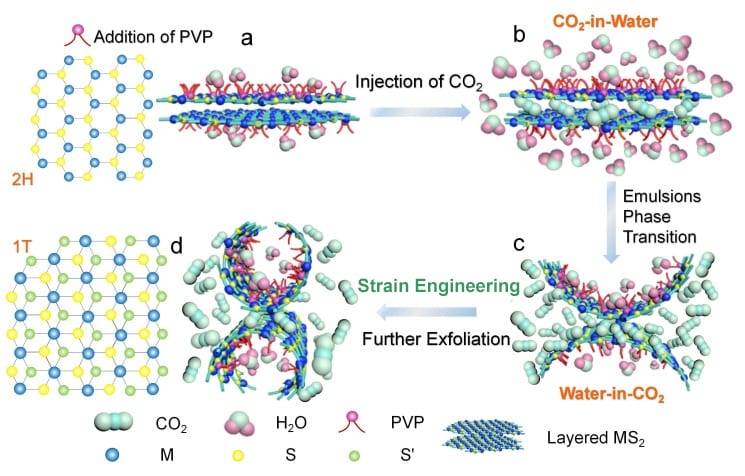

Supercritical carbon dioxide induced reverse micelles were used to create metallic 1T-phase molybdenum disulfide and tungsten disulfide nanosheets for hydrogen generation.
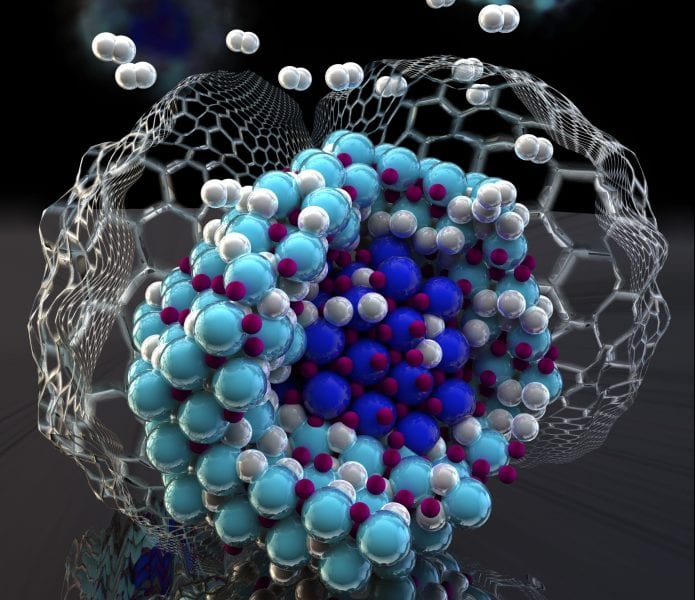
Internal interfaces in the Li3N/[LiNH2 + 2LiH] solid-state hydrogen storage system alter the hydrogenation and dehydrogenation reaction pathways upon nanosizing, suppressing undesirable intermediate phases to dramatically improve kinetics and reversibility.
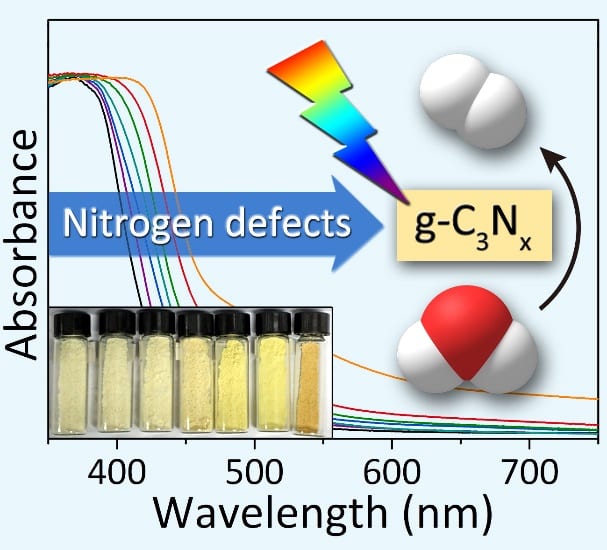
A very simple and general method for introducing nitrogen defects into the 2D structure of graphitic carbon nitride.

A nanophotonic approach makes ultrathin CIGSe solar cells with high efficiencies possible.
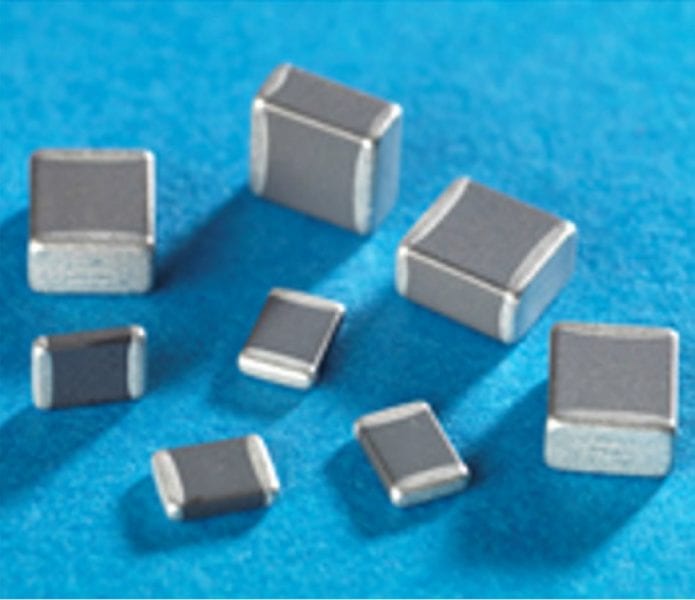
New lead free BiFeO3-SrTiO3 based multilayer ceramic capacitors for high temperature applications have been developed.
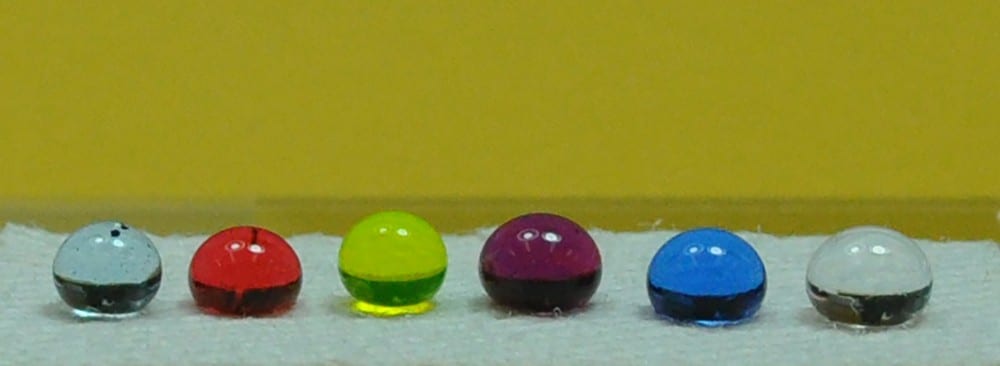
Superamphiphobic and durable coatings on woven/non-woven surfaces for repelling many types of liquids.

Researchers have developed an efficient system for waste heat recovery in engines.

A thorough characterization of organic electrode material sheds light on charge storage behavior.

Researchers achieve the Shockley–Queisser optimal bandgap for an organolead trihalide hybrid perovskite using high pressure.
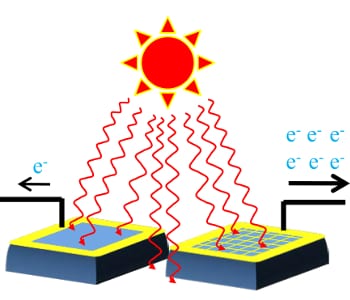
A new approach with the potential to overcome efficiency loss of solar cells.

 Micron-sized hidden dimensions could solve two of physics’ deepest puzzles
 Turning Periods into Power: Menstrual Blood a Valuable Resource for Medical Diagnostics
 Surfactants Steer Supraparticle Structure
 Bone loss in obesity traced to gut microbiota
 Edible electronics realize safe, complex monitoring devices
 Fermilab Confirms Muon g-2 Measurements