An exploration of how travel can also be understood as something intimately connected to historic, economic and cultural influences.


An exploration of how travel can also be understood as something intimately connected to historic, economic and cultural influences.
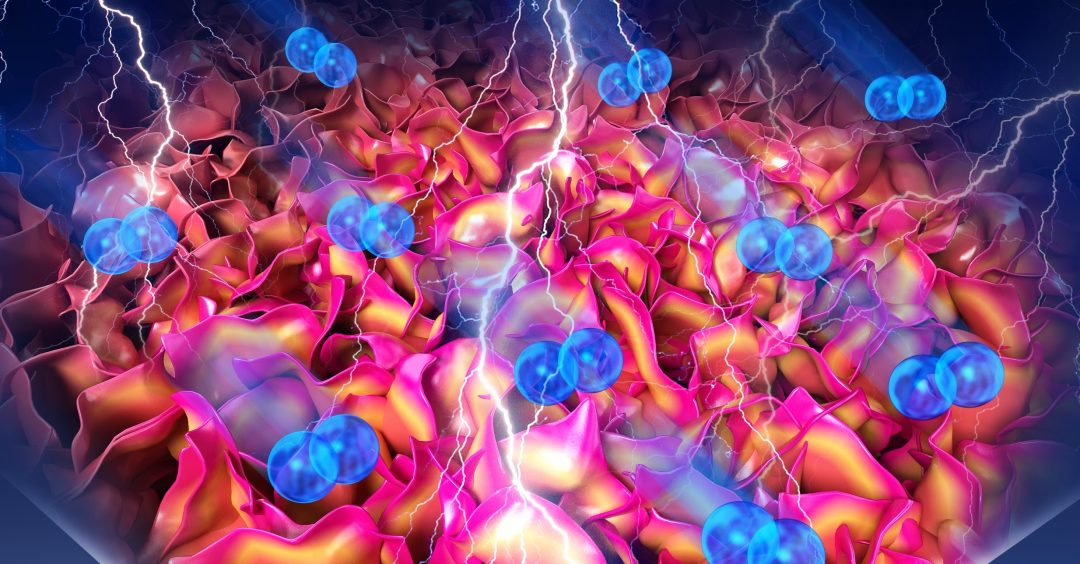
Protonic ceramic fuel cells operate in an intermediate temperature range (300–600 °C), avoiding the problems faced by other fuel cell types. Enhanced peak power densities have now been generated using a microstructured anode and a very thin electrolyte.

Developing strategies to enable solar-light driven splitting of water.
There are striking similarities between the structure of natural river networks and others found in systems as diverse as brains, roads and the communication technologies. Using a series of examples, the authors illustrate how a suite of graph theory-based metrics derived from diverse disciplines can be used to provide new insights into the structure and kinematics of braided river networks.
Could stumps from managed forests provide sustainable biomass in a future bio-economy or are they all needed in the forest to support other ecosystem services and biodiversity?
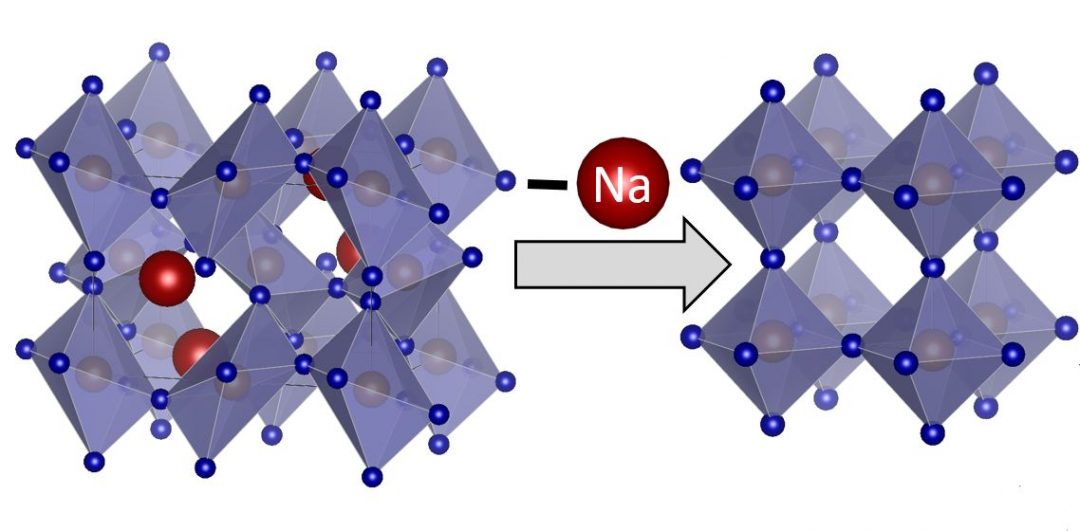
Prof. Nicola Pinna and co-workers prepare a fluoride-based electrode capable of reversible insertion of lithium and sodium ions.
![A Carbon-Quantum-Dot-Based Electrocatalyst for Hydrogen Evolution [Video]](https://www.advancedsciencenews.com/wp-content/uploads/2018/07/adma201800676_ASN_image.jpg)
A novel ruthenium electrocatalyst based on carbon quantum dots (CQDs) for the hydrogen evolution reaction (HER), using ginkgo leaves as a starting material, is developed.
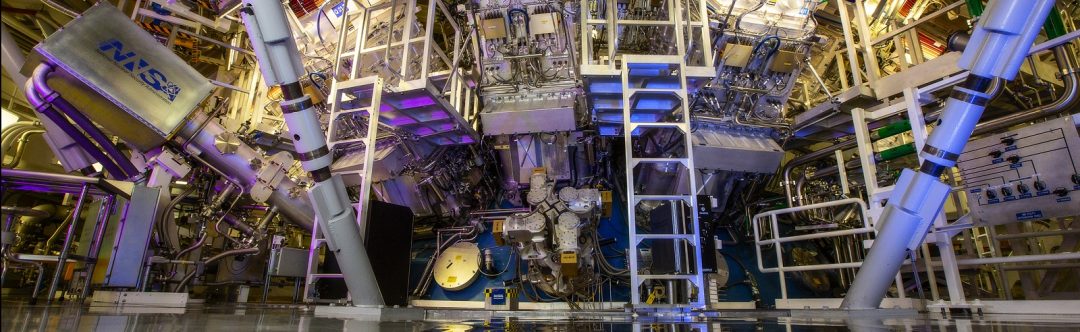
The world’s largest and most energetic laser fired with 2.15 megajoules (MJ) of energy – more than 10 % higher than the previous energy record set in March 2012.
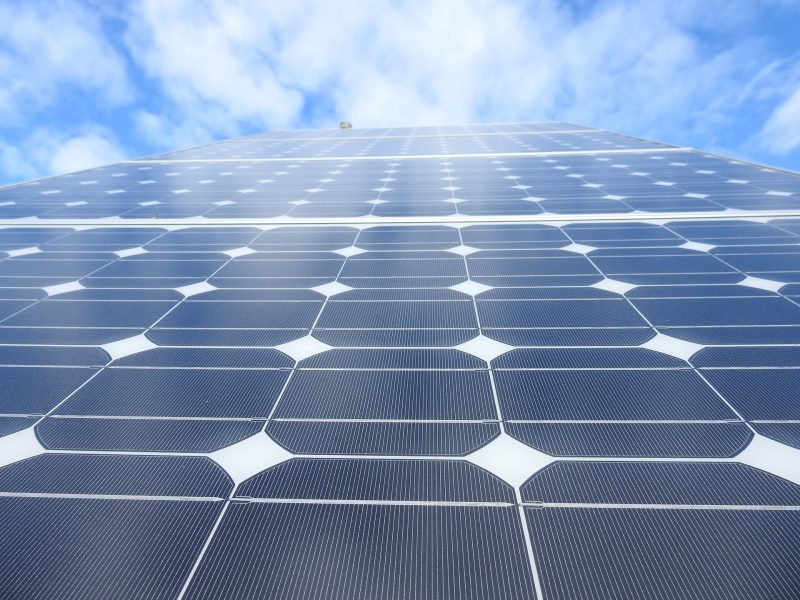
An overview on BIPV considering architectural integrity and historic value of old buildings exemplified by Rome´s built environment but also looking at a broader perspective.
Dr. Dongling Ma (INRS) and co-author Deepak Thrithamarassery Gangadharan talk to us about themselves, their careers, and the future of perovskite solar cell research.
 Micron-sized hidden dimensions could solve two of physics’ deepest puzzles
 Turning Periods into Power: Menstrual Blood a Valuable Resource for Medical Diagnostics
 Surfactants Steer Supraparticle Structure
 Bone loss in obesity traced to gut microbiota
 Edible electronics realize safe, complex monitoring devices
 Fermilab Confirms Muon g-2 Measurements