
Researchs show that combining nanoparticles and DNA nanotechnology can amplify the signal obtained from imaging the extracellular matrix.

Advanced Science News
Content curated by ASN staff
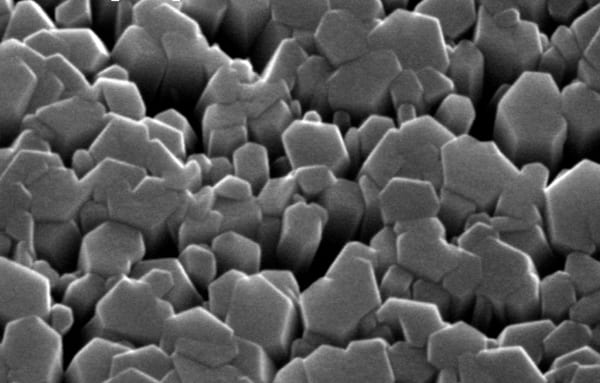
Enhanced polymer/ZnO photovoltaic performance
Steve Dunn, Queen Mary University of London, and James R. Durrant, Imperial College London, discuss their latest work on photovoltaic devices.
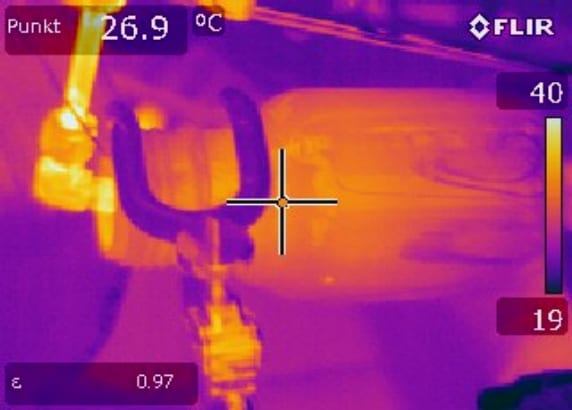
A better way to decontaminate medical supplies
Research investigates the antimicrobial efficiency of microwave plasma processed air with manifold RNS against vegetative bacteria and bacterial endospores.

Advancing our understanding of biointerfaces: FEBS-ESF Workshop “Biological Surfaces and Interfaces"
Ciro Chiappini, Imperial College London, and Ian T. Hoffecker, Kyoto University report on the recent workshop held in Sant Feliu de Guixols, Spain.
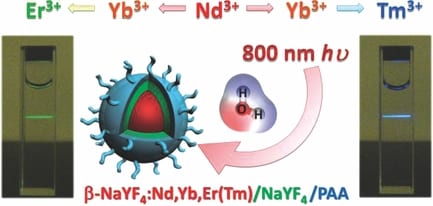
UCNP 2.0: Engineering the upconversion excitation wavelength to a sweet spot
Researchers develop inproved upconversion nanoparticles for medical imaging.
Polyurethane micelles deliver anti-cancer drug quicker and better
Researchers design and develop a novel type of disulfide core-crosslinked polyurethane micelle for anti-cancer drug delivery.
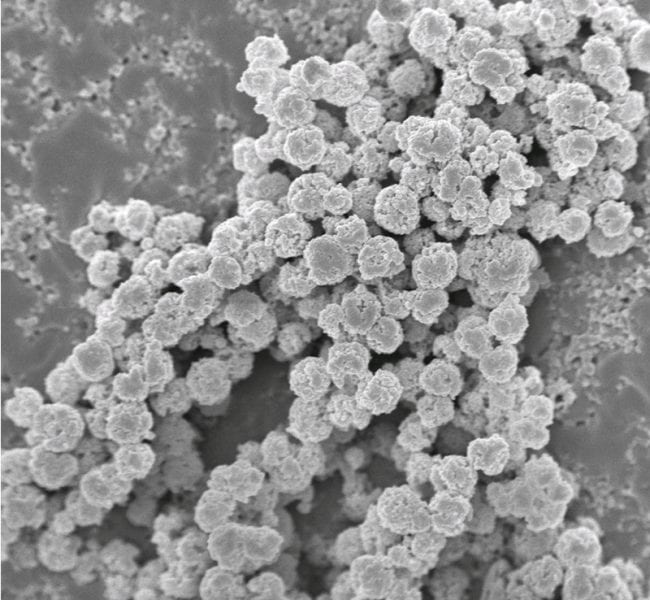
New microparticles to improve flu vaccines
An antigen delivery system based on quaternized chitosan hydrogel microparticles has been developed at the Chinese Academy of Sciences.
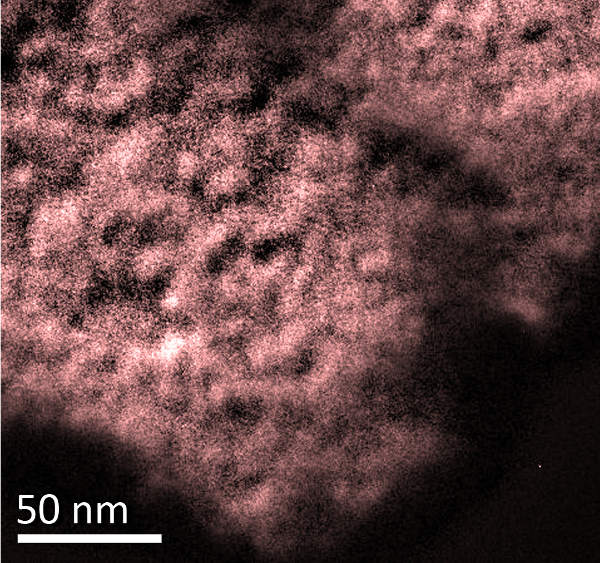
Better cathodes for lithium-sulfur batteries
Researchers suggest a novel, mesoporous, nitrogen-doped carbon (MPNC)-sulfur nanocomposite material as a cathode for lithium-sulfur batteries.
Cementite and magnetite nanomagnets in blood purification: responsive enough?
Swiss researchers investigate the magnetic responsiveness of cytocompatible polyethylene functionalized carbon coated cementite and magnetite nanoparticles.

Book Review: Computer Modeling for Injection Molding: Simulation, Optimization, and Control
Professor Roberto Pantani of the University of Salerno reviews Computer Modeling for Injection Molding, edited by Huamin Zhou.