Hardware and software tweak microwave patterns to discover the most efficient way to identify objects.
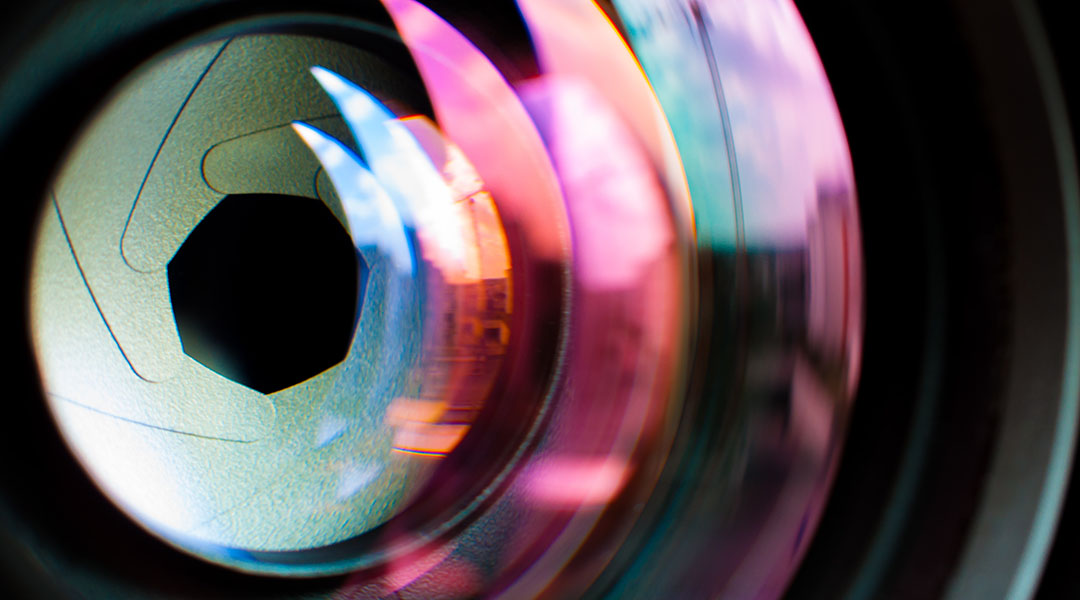


Hardware and software tweak microwave patterns to discover the most efficient way to identify objects.
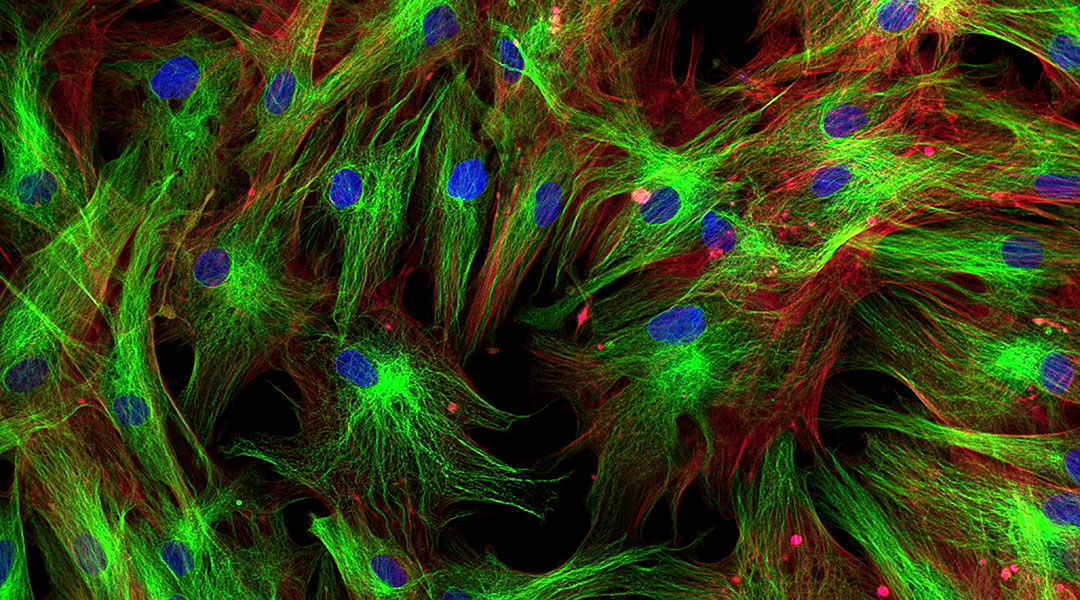
A molecular probe maps misfolded proteome state in live cells.

Analysis reveals never-before-seen details about a type of thin film being explored for advanced microelectronics.
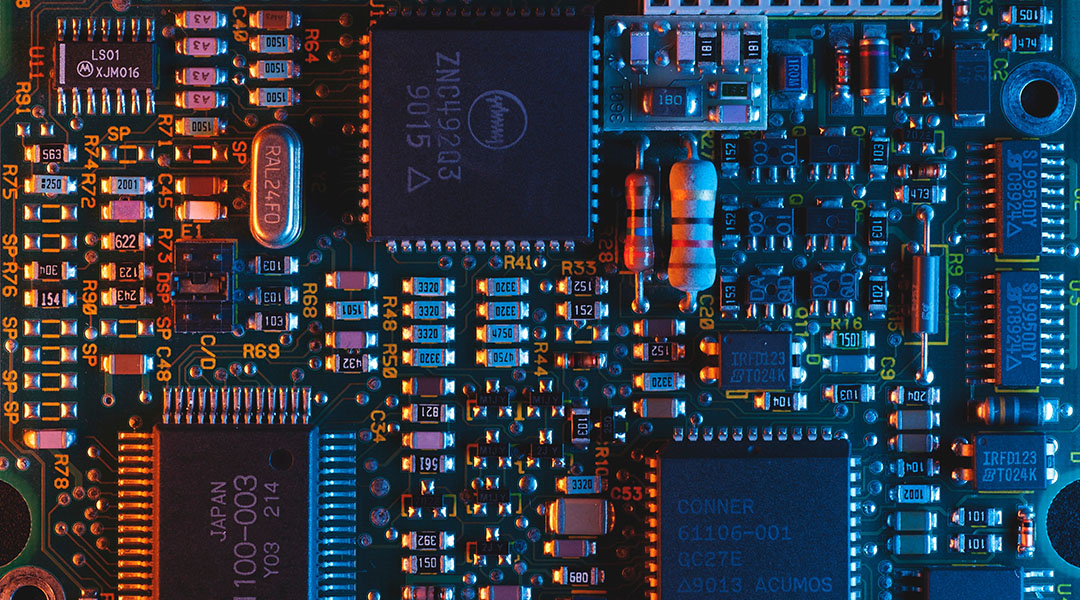
A recent study seeks to identify, understand, and solve issues surrounding the integration of ferro/piezo-electric materials with silicon technology.
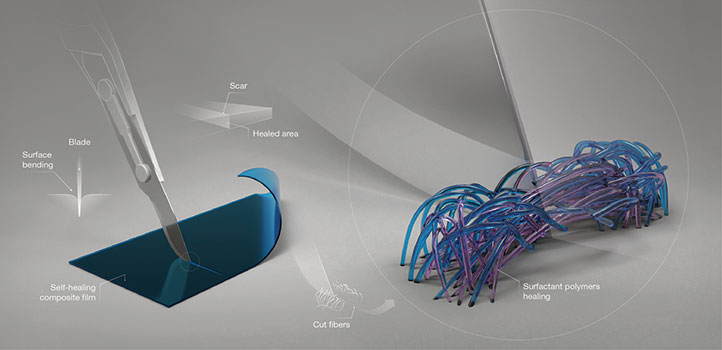
Sensors that are worn on the skin could soon be powered by our own body heat.
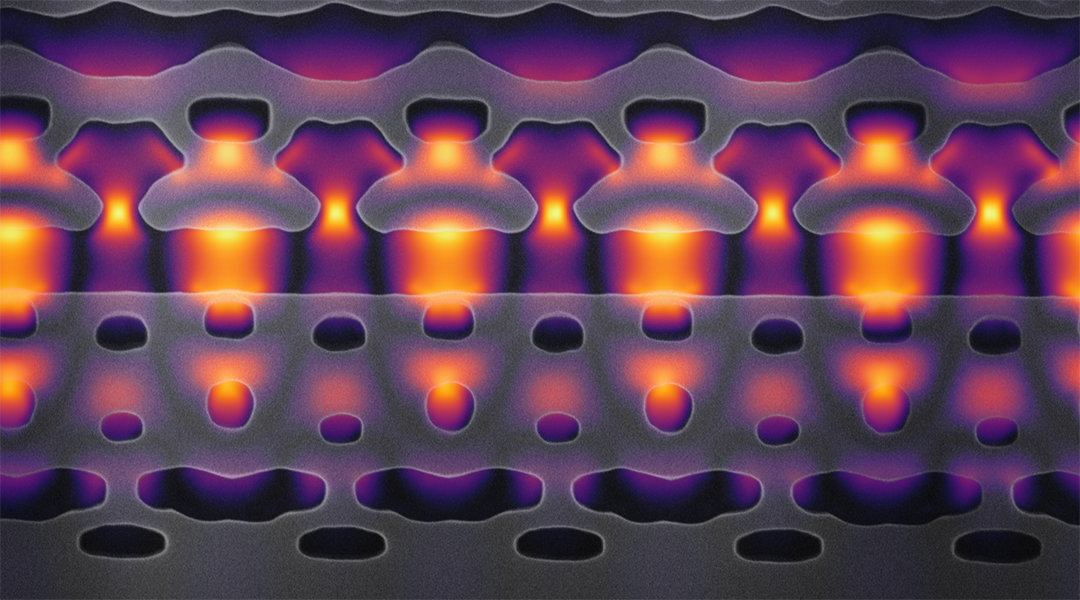
Just as desktop PCs acquired some of the functions performed by room-sized mainframes, a Stanford team has prototyped a silicon chip that packs some of the punch delivered by current particle accelerators.
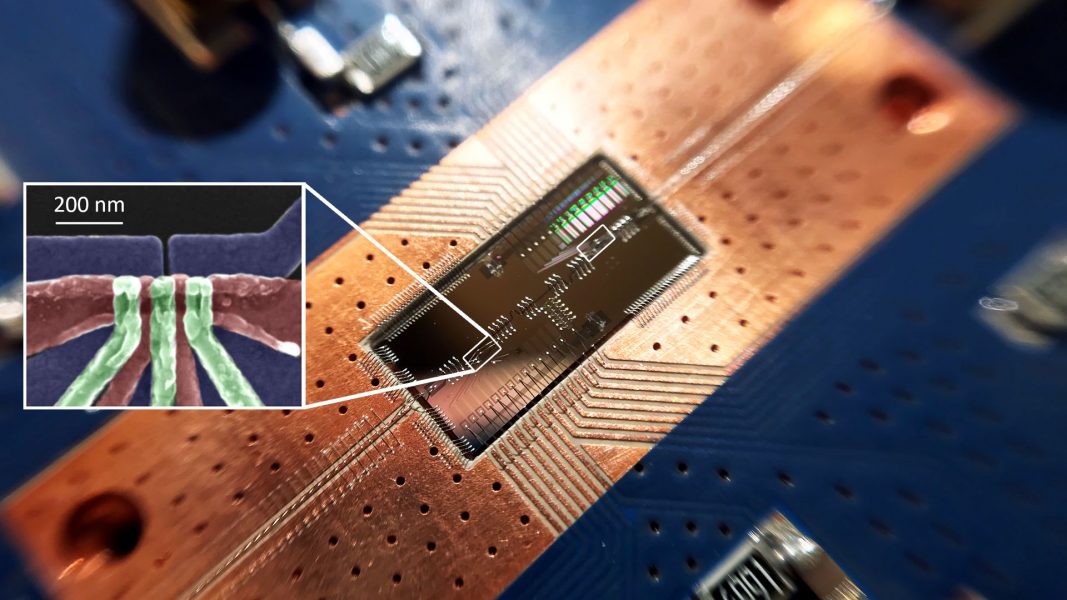
Princeton scientists demonstrate that two silicon quantum bits can communicate across relatively long distances in a turning point for the technology.

A new material that pulls moisture from the air and uses it to generate an electric current.
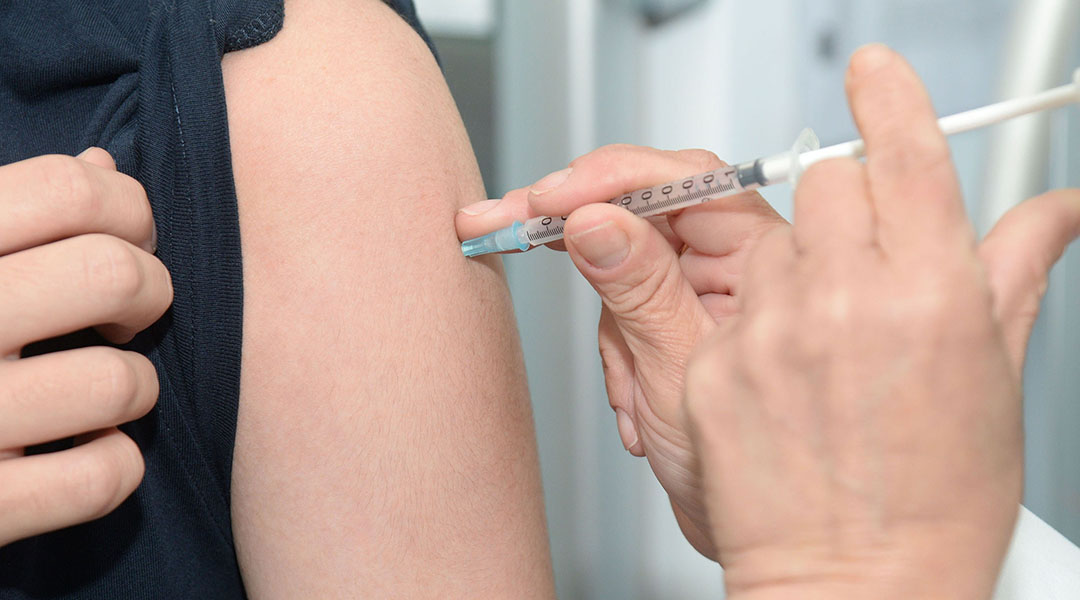
Gilbert X. Gonzalez tells how his lab are working on influenza vaccines that can overcome the problems of the seasonal influenza vaccine.

Image of the interacting galaxy pair NGC 5394/5 obtained with NSF’s National Optical-Infrared Astronomy Research Laboratory’s Gemini North 8-meter telescope on Hawai’i’s Maunakea using the Gemini Multi-Object Spectrograph in imaging mode.