Researchs developed new method to fabricate a biodegradable, hydrogel-based integrated bi-layered scaffold for bone and cartilage repair.
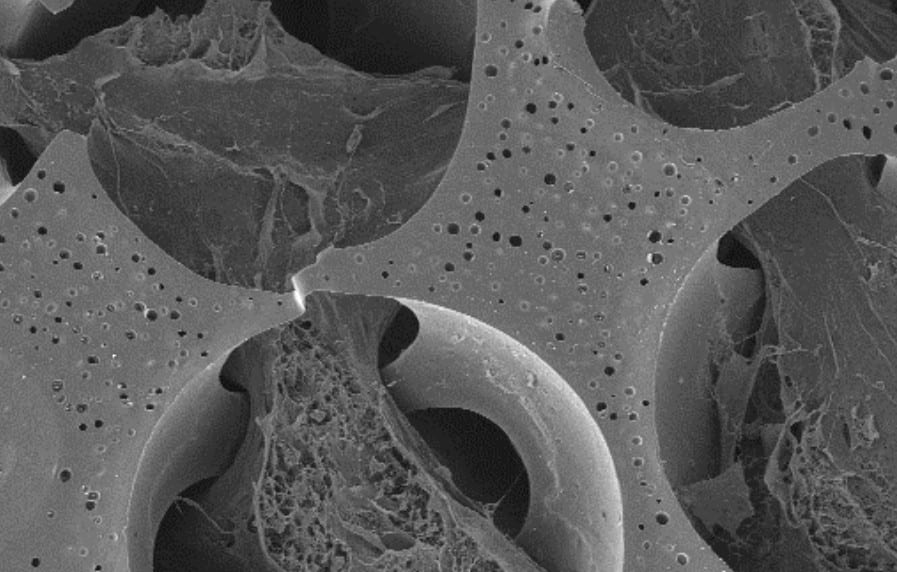


Researchs developed new method to fabricate a biodegradable, hydrogel-based integrated bi-layered scaffold for bone and cartilage repair.
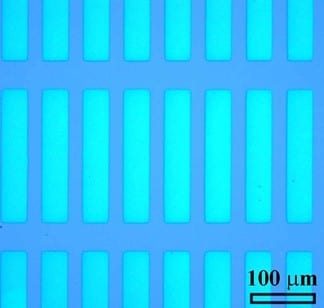
Chinese scientists have shown how to integrate highly stable graphene-based multilayered film via a novel covalent-based protocol.
W. M. Keck Foundation funds David Mazziotti, Greg Engel, and Dmitri Talapin to research manipulate of nanocrystal properties.
Purdue and Harvard researchers create stackable indium-gallium-arsenide transistors.
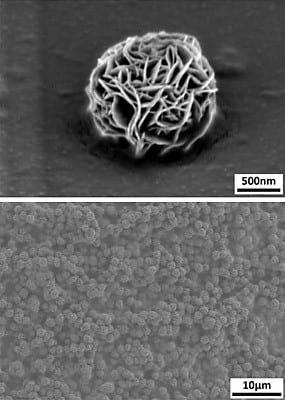
A new hydrogel created by Cornell researchers is so soft that it can flow like a liquid and then return to its original shape.
Cornell research team shed light on electron cooling through the first known direct measurements of hot electrons cooling down in graphene.
Proceeds will be used to support the expansion of NanoString’s existing life sciences business and its first commercial launch in molecular diagnostics.
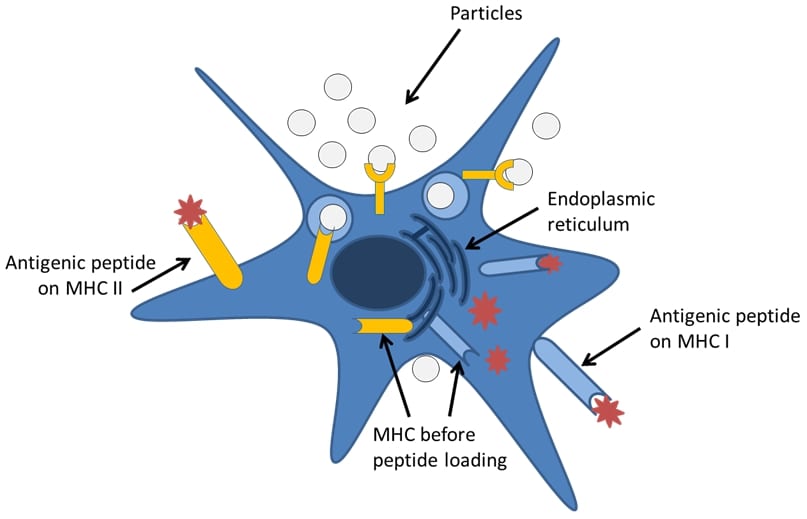
Polymer nano- and microparticles can be used to develop new vaccines for disorders such as cancer and HIV.
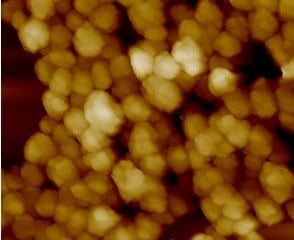
Naturally occurring bioactive nanoparticles derived from a carnivorous fungus could have potential for application in cancer therapy.
Buildings and statues constructed of limestone can be protected from pollution by applying a thin, single layer of a water-resistant coating.