Researchers have created stiff, recyclable hydrogels that can be broken down into their base components and reshaped on demand.
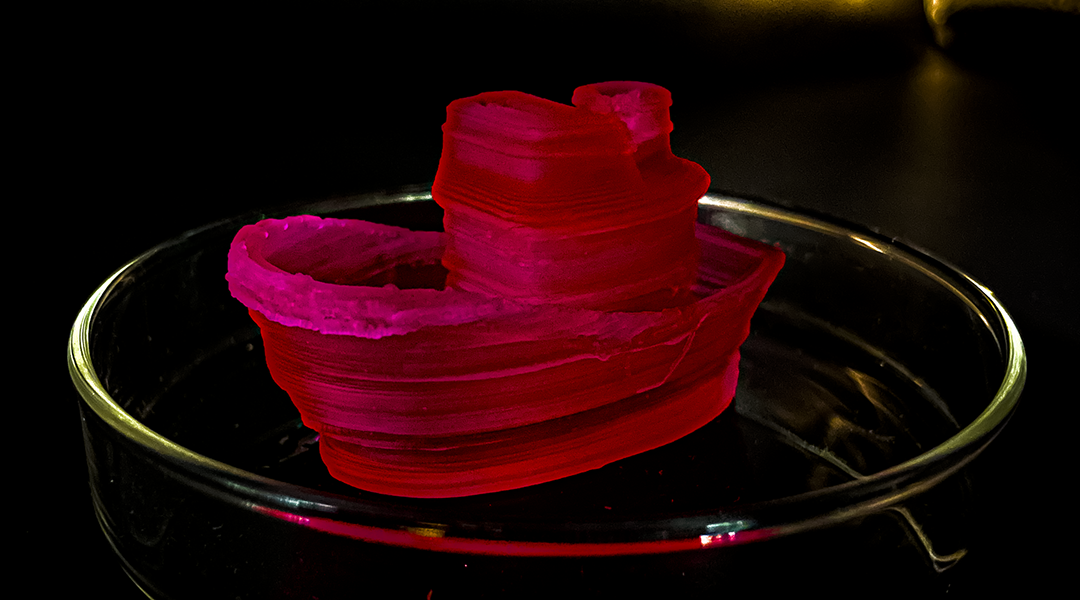

Researchers have created stiff, recyclable hydrogels that can be broken down into their base components and reshaped on demand.
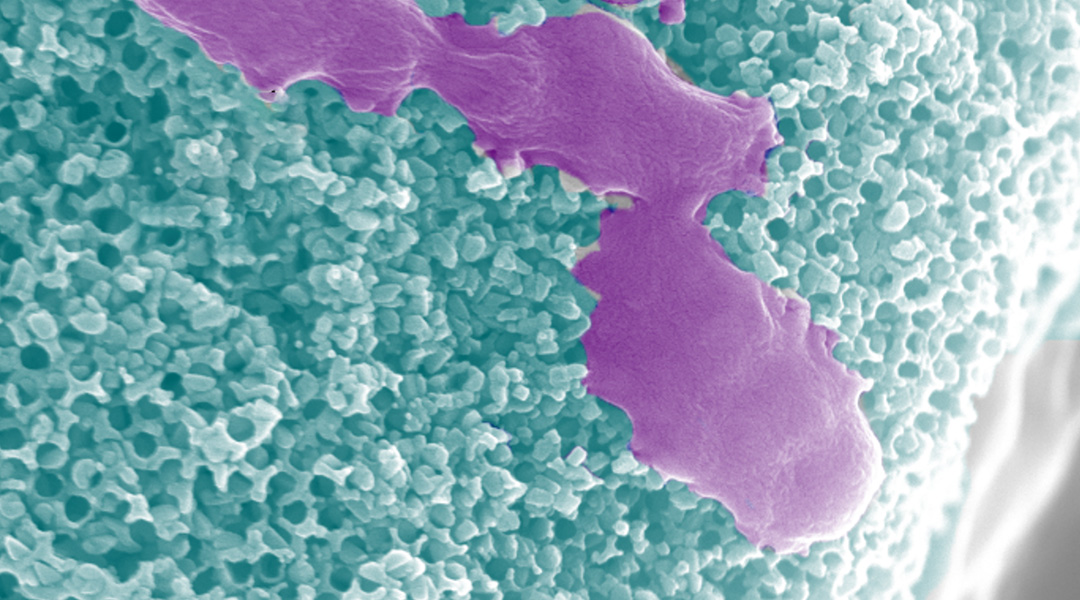
Hybrid microrobots harvest chemical energy from their environment for self-propulsion while releasing reactive species to kill bacteria.
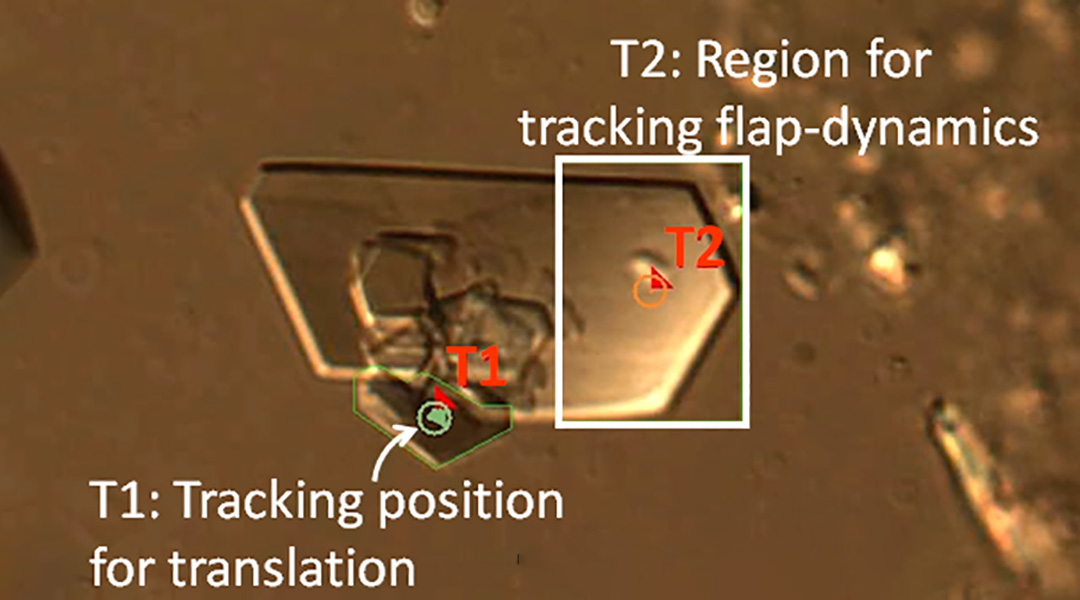
Synthesized microrobots capable of converting their mechanical motion into a means of self-propulsion.

The strong adhesive nature of this artificial tissue combined with its ability to sustain the growth of new cells helps solve long-standing challenges with these types of grafts.
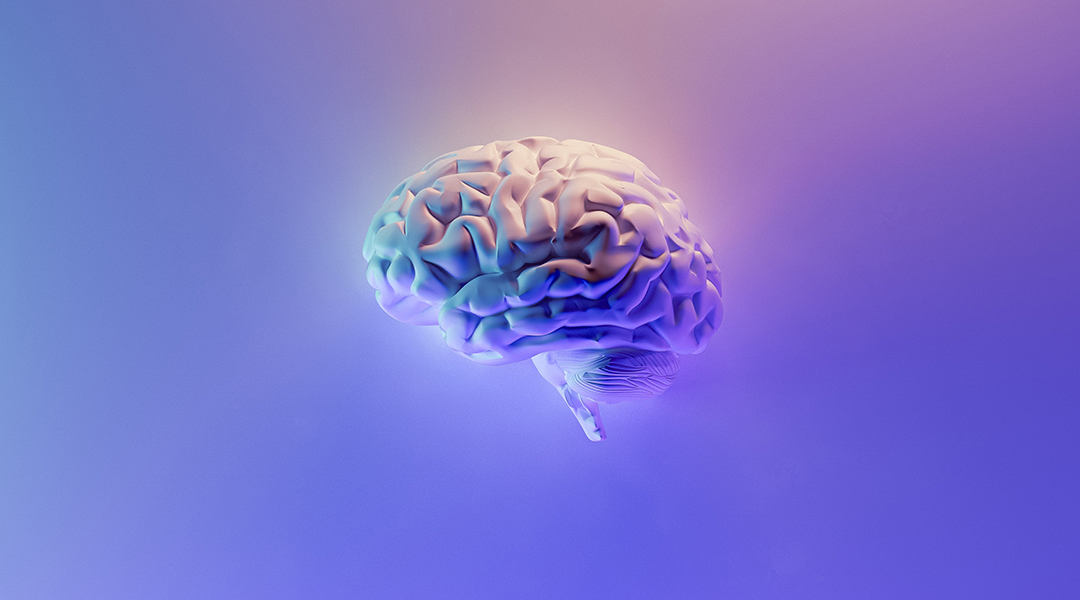
“Brain-on-a-chip” shows minute-by-minute how the blood–brain barrier reacts to high levels of inflammation.
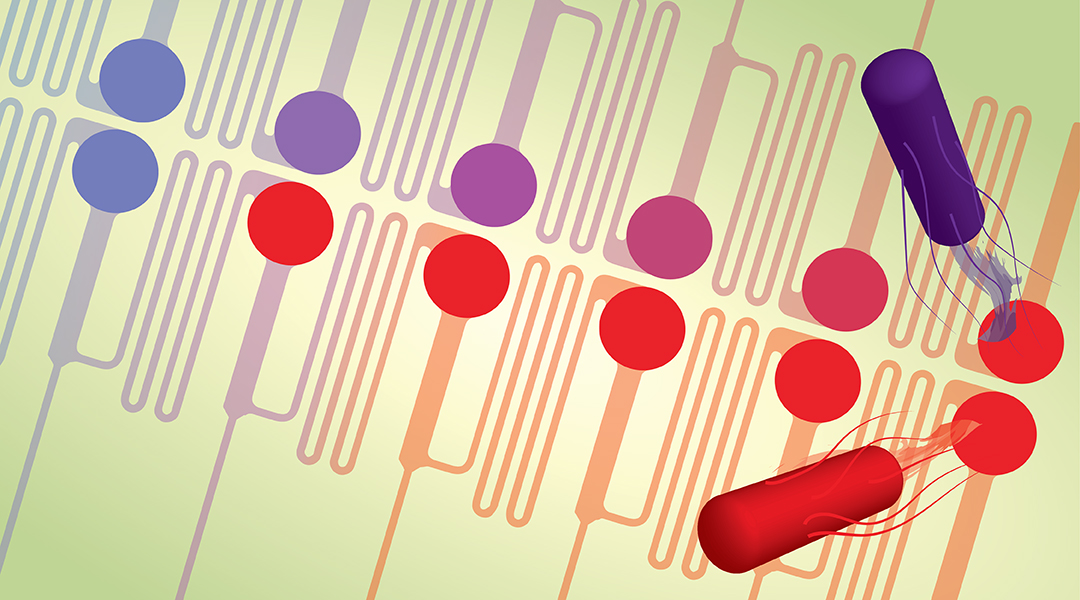
A well-based microfluidic device allows researchers to generate important data that are needed to better understand the parameters that influence evolution in bacteria to combat antibiotic resistance.
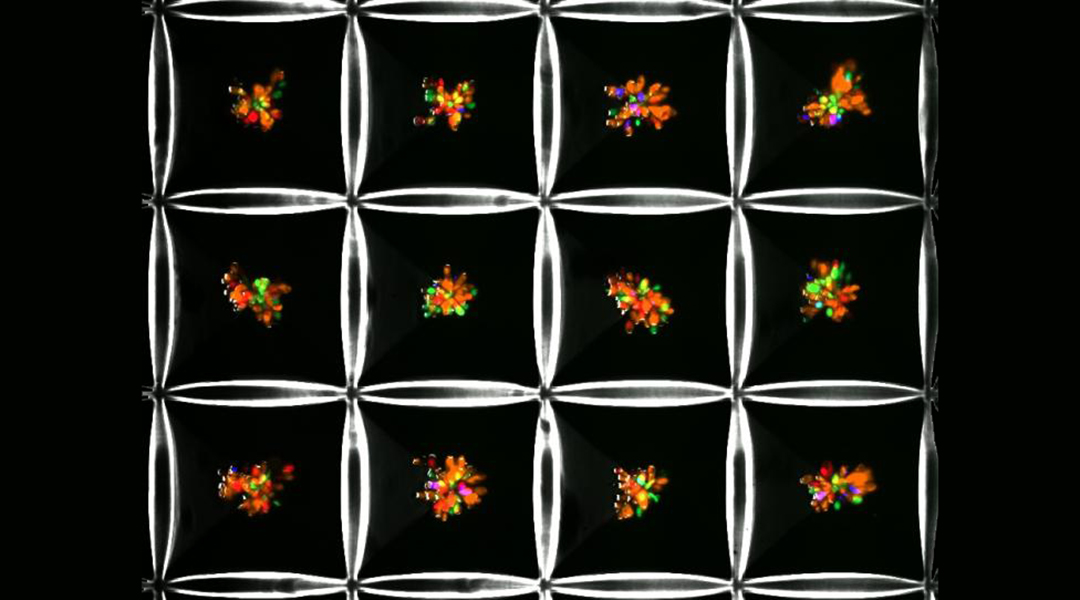
A structurally representative liver-on-a-chip models the full progression of non-alcoholic fatty liver disease, which researchers hope will lead to better treatments.
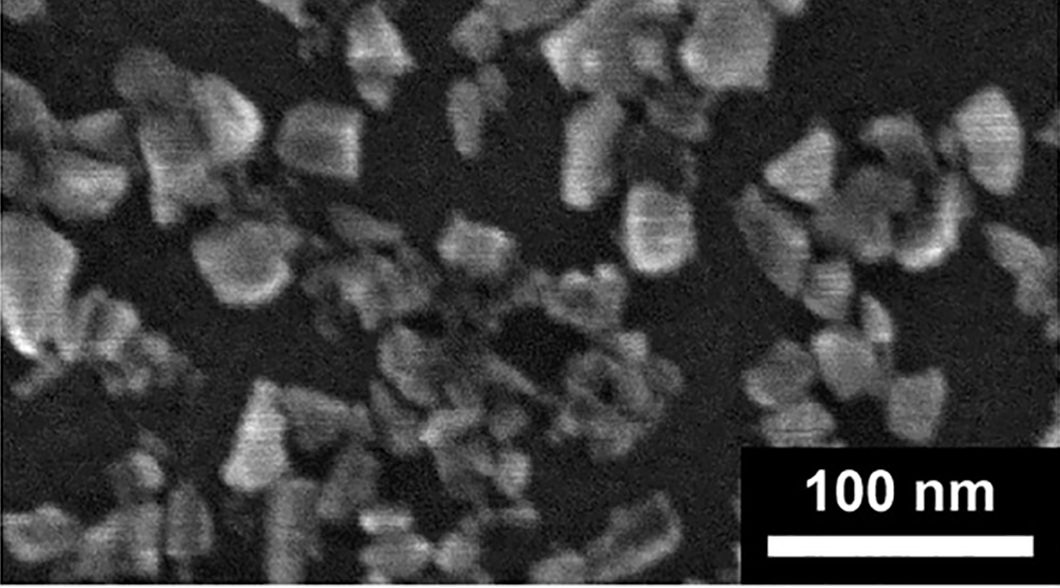
Fluorescent nano-sized diamonds give a better glimpse inside cells.
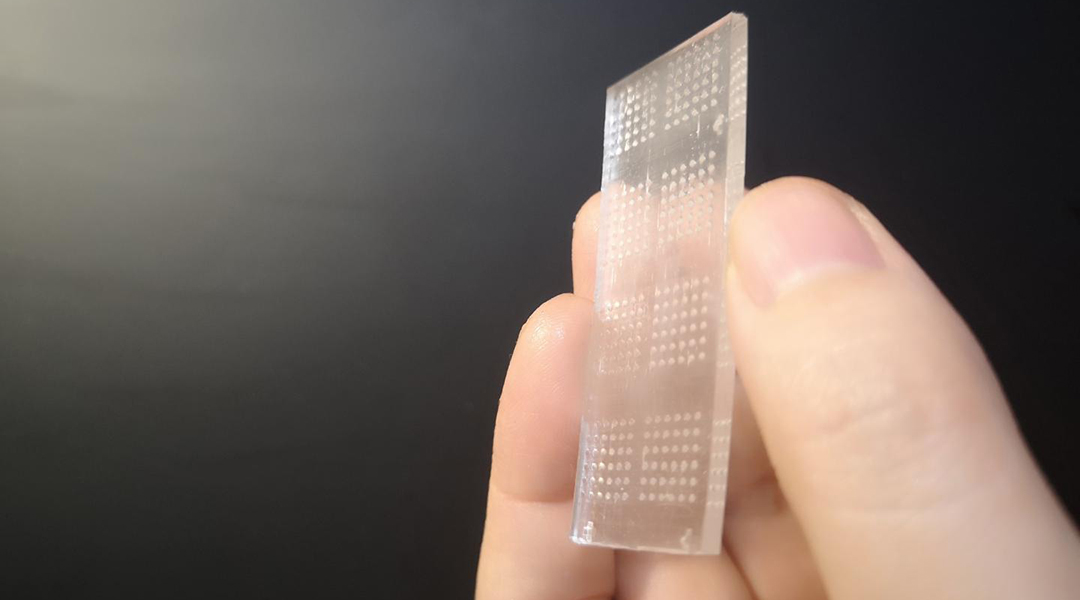
A new microwell chip holds promise for screening immunotherapy drugs with the added bonus that it can include a patient’s own cells for optimized treatment planning.
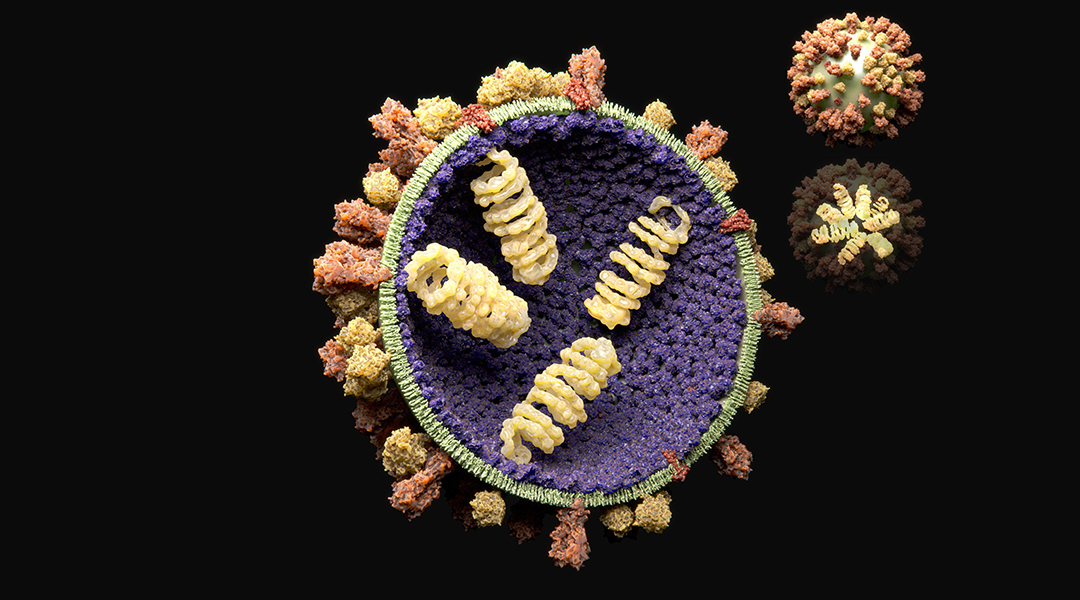
Researchers uncover the mystery of how viruses avoid encapsulating unwanted genetic material from the crowded cell cytoplasm.

 Soy protein fuels the future of eco-friendly solid-state batteries
 Microneedles enable 98% smaller, cheaper artificial pancreas
 Machine learning identifies anti-aging neuroprotective treatments
 Quantum router preserving delicate photon states may advance quantum technologies
 Teaching machines to quiet the noise in quantum computers
 3D printed scaffolds bring artificial bone closer to reality