Organic photovoltaic materials may lead to solar cells that produce more power and cost less.


Organic photovoltaic materials may lead to solar cells that produce more power and cost less.
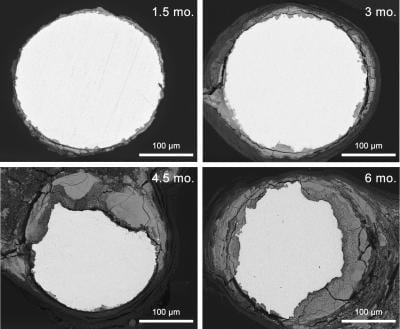
Some materials dissolve too quickly in the body, and some hang around forever — zinc, however, may be just right.

Researchers at Aalto University have developed a geometric surface structure that is able to stop and control the spreading of liquids.
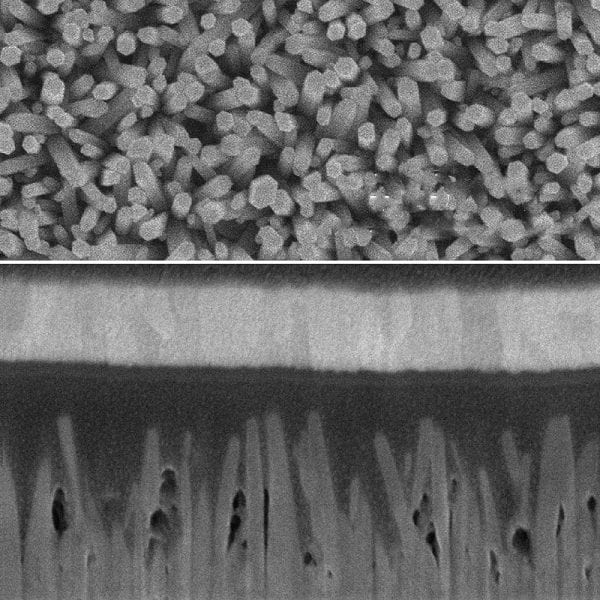
Researchers improve efficiency of quantum-dot photovoltaic system by adding a forest of nanowires.
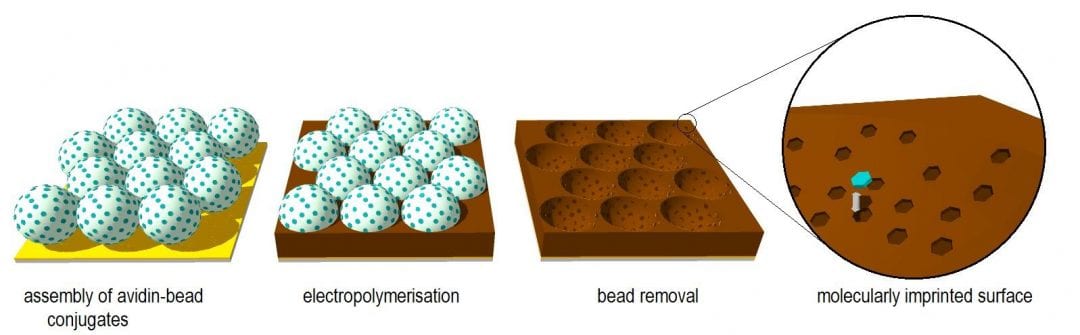
Researchers propose to create materials capable of protein recognition by means of a new technique based on nanosphere lithography.
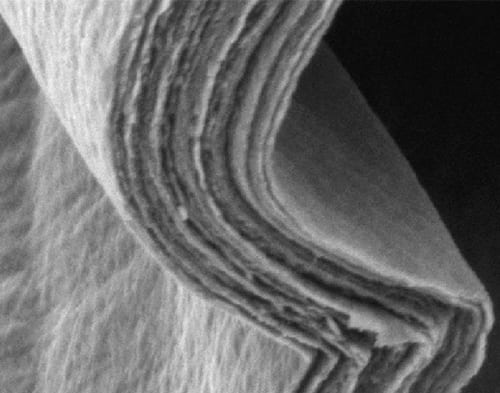
Scientists produce a paper-like ceramic material which is as hard as copper, yet flexible enough to be rolled up or folded. The material has another advantage: it is electrically conductive.
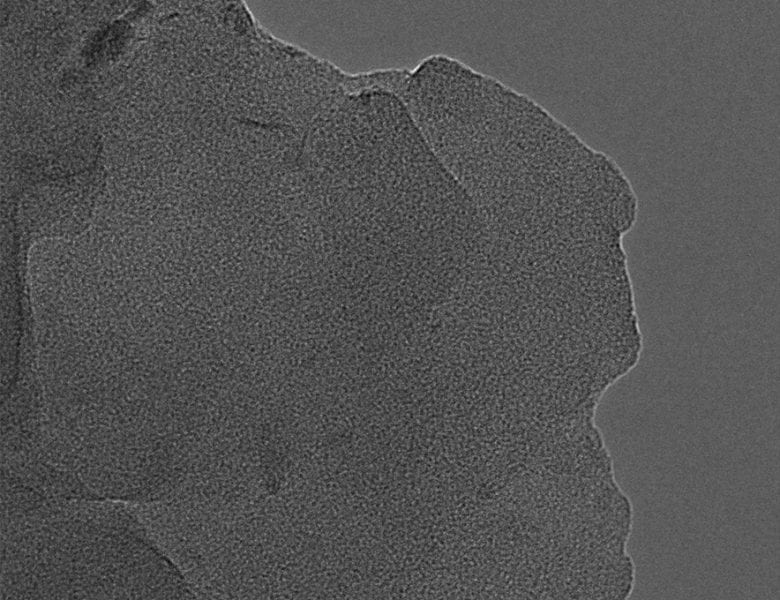
Chinese researchers report a method to coat graphene with a transition metal oxide, with the aim to create new, better electrodes for Li-ion batteries.
Researchers have developed an innovative process for adding broad-spectrum antimicrobial activity to biomimetically-synthesized bio-inorganic composites.
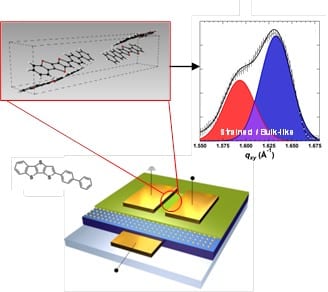
Researchers have characterised the molecular packing motifs of several new benzo-thiophene derivatives.
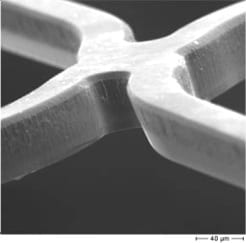
German researchers present a new micro-machining method to fabricate micropatterned superelastic TiNi films.
 New theory suggests gravity is not a fundamental force
 Higgs boson may be driving the Universe’s expansion
 Water-powered gadgets may be on the horizon thanks to new evaporation-based energy device
 Scientists discover a new class of antibiotics
 Micron-sized hidden dimensions could solve two of physics’ deepest puzzles
 A new type of dark matter could explain mysterious radiation from the Milky Way’s core