Chiral photonic cellulose films are prepared, and their ability to reflect circularly polarized light (CPL) is explored. The films are promising for novel photonics applications, including polarization-based encryption.
![Chiral Cellulose Films for Polarization-Based Encryption [Video]](https://www.advancedsciencenews.com/wp-content/uploads/2018/03/adma201705948_ASN_image.png)

Chiral photonic cellulose films are prepared, and their ability to reflect circularly polarized light (CPL) is explored. The films are promising for novel photonics applications, including polarization-based encryption.
![Enzyme-Like Hydrogel for Biosensing Applications [Video]](https://www.advancedsciencenews.com/wp-content/uploads/2018/02/adma201706887_ASN_image.png)
Professor Feng Zhang from Guangzhou Medical University, Professor Hao Pei from East China Normal University, and co-workers report a flexible electrochemical sensor based on a 3D-printable hydrogel. The device could be used as a glucose sensor, demonstrating its potential in biosensing applications.

A novel technology to display information on transparent screens offers new opportunities in next-generation electronics, such as augmented reality devices, smart surgical glasses, and smart windows.
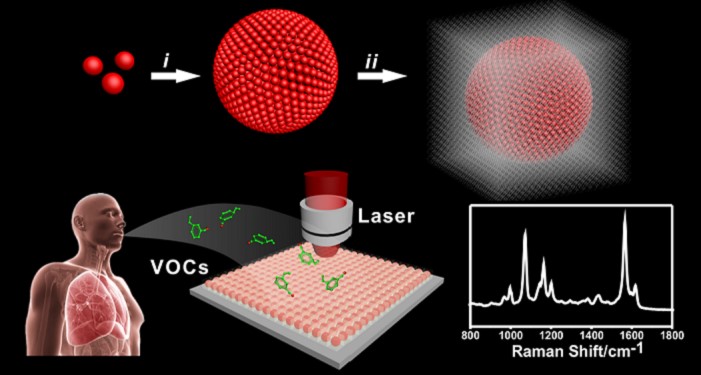
A biosensor based on SERS to detect lung cancer volatile organic compound (VOC) from exhaled breath.

Submit your abstract for NANO2018 conference at City University of Hong Kong by 28 February 2018.
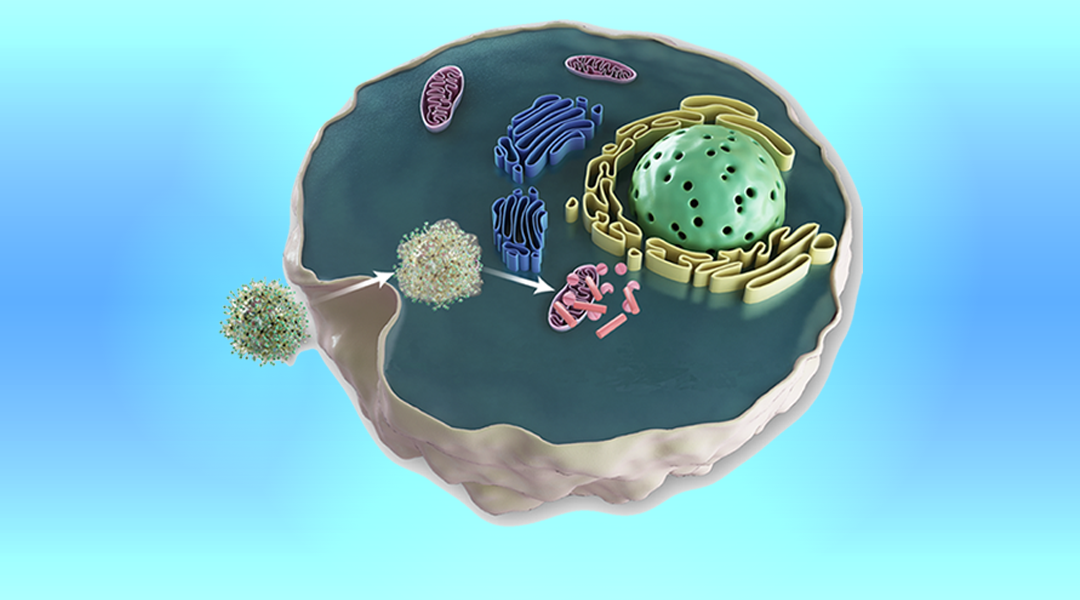
A novel reactive oxygen species (ROS)-promoted nanomedicine platform can effectively inhibit tumor growth, reduce side effects experienced in common anticancer drugs, while promote on-target uptake.

A team of researchers design broadband field-effect phototransistors based on molybdenum disulfide. The photodetector has the ability to detect very weak optical signals and is promising for applications in thermal imaging and sensing.
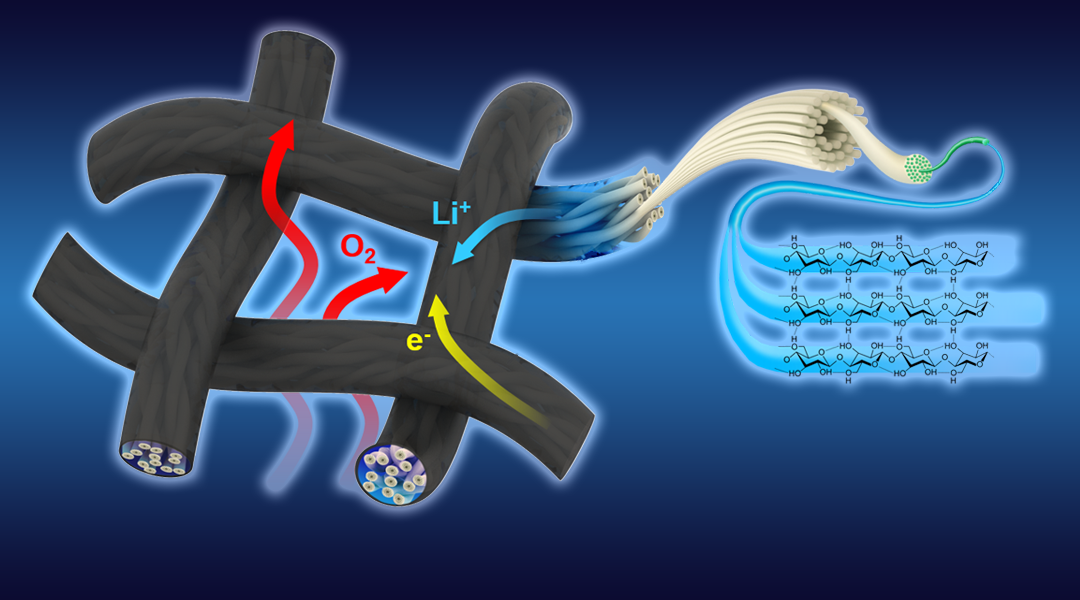
A novel flexible textile-based cathode with a unique triple-phased structure is presented, that shows improved non-competitive transport properties.

Researchers from the University of Tokyo shed light on the formation of the crystallographic structure of organometal halide perovskites.
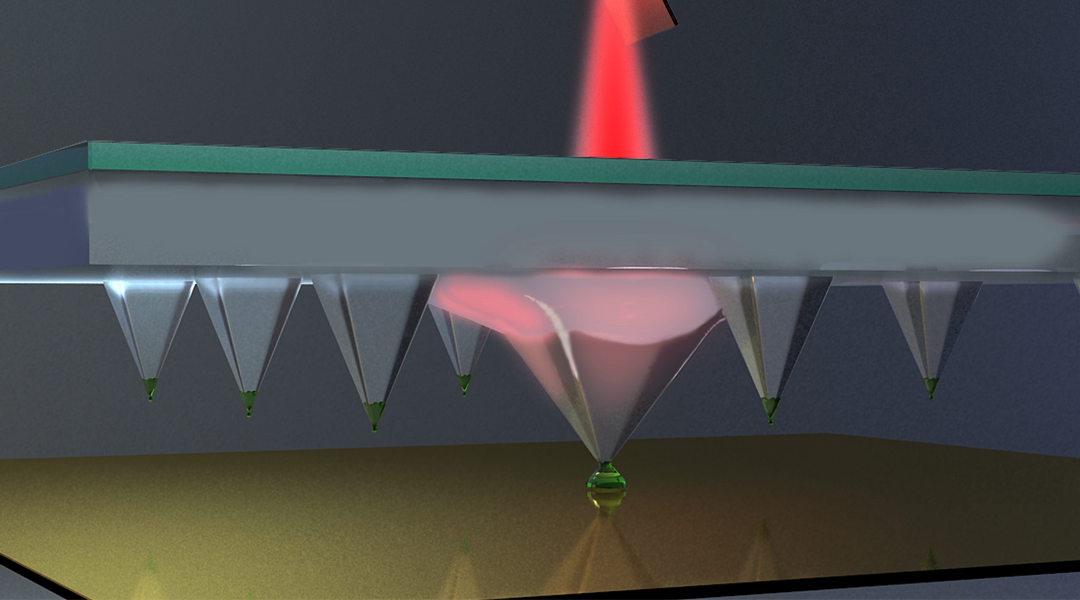
Local control of pens in a large-scale pen array can be achieved by using a nanotube composite that is photo-responsive to fabricate each individual pen.

 Micron-sized hidden dimensions could solve two of physics’ deepest puzzles
 Turning Periods into Power: Menstrual Blood a Valuable Resource for Medical Diagnostics
 Surfactants Steer Supraparticle Structure
 Bone loss in obesity traced to gut microbiota
 Edible electronics realize safe, complex monitoring devices
 Fermilab Confirms Muon g-2 Measurements