Novel heterojunction material for efficient water splitting and hydrogen production operating in a broad range of pH conditions.
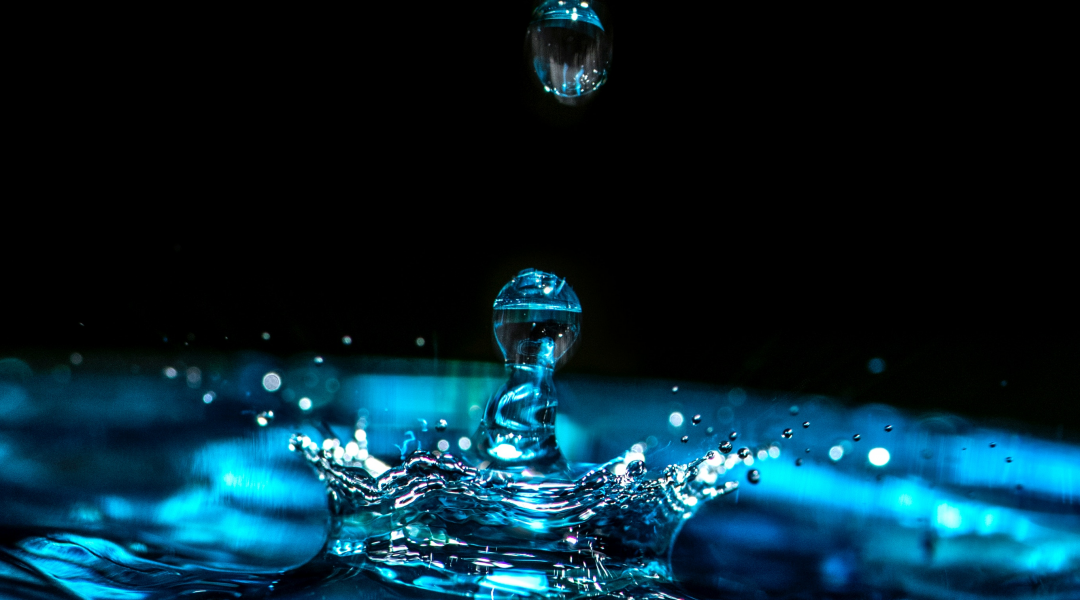

Novel heterojunction material for efficient water splitting and hydrogen production operating in a broad range of pH conditions.
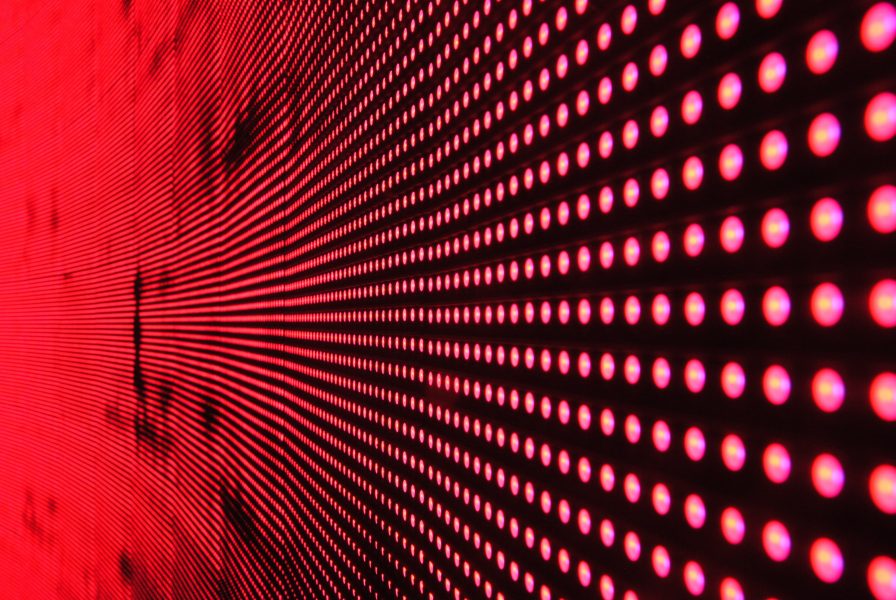
Highly efficient and spectrally stable red perovskite LEDs developed by researchers at Florida State University.
![Building Functional Bio-Nanostructures Using “Protein Bricks” [Video]](https://www.advancedsciencenews.com/wp-content/uploads/2018/03/adma201705919_ASN_image.png)
A team of researchers construct spider-silk-based “Protein Bricks” with on-demand shape and function for biomedical applications.
![New Ways to Structure Clinically Approved Hydrogels [Video]](https://www.advancedsciencenews.com/wp-content/uploads/2018/03/adma201705013_ASN_image.jpg)
Clinically approved hydrogels can be structured across multiple length scales to generate materials with a variety of new physical properties.
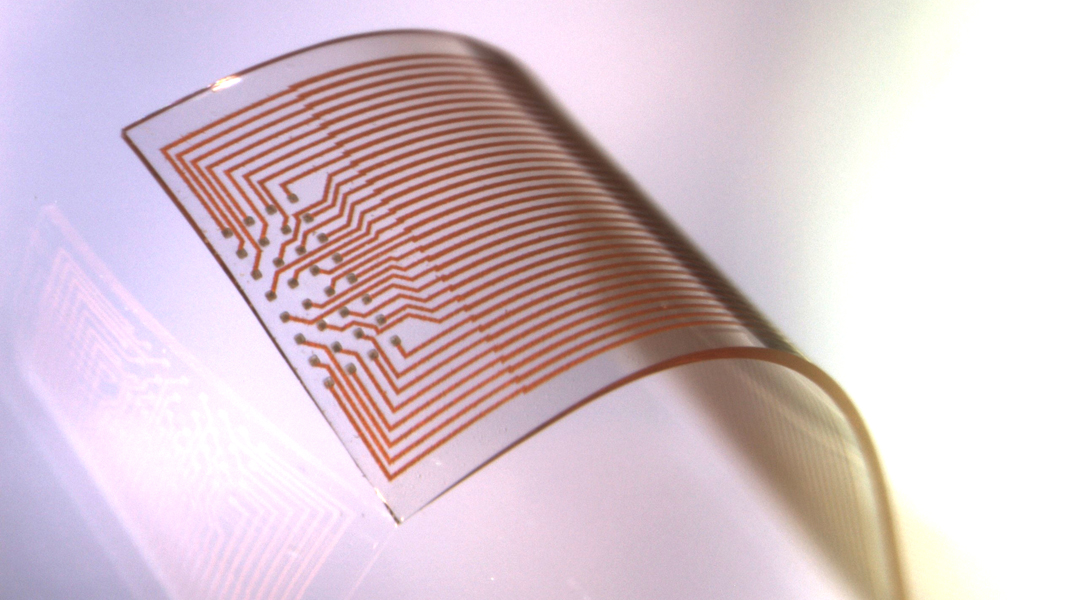
High-density stretchable electrode grids based on a material that can resolve high spatiotemporal neural signals from the surface of the cortex in freely moving rats with stable recording quality during 3 months of implantation.
![Wrinkle-Free Graphene [Video]](https://www.advancedsciencenews.com/wp-content/uploads/2018/03/adma201706504_ASN_image-1.jpg)
Graphene grown on Cu(111) foils is a step toward wrinkle-free graphene production for electronic devices application.
![3D e-Whiskers for Complex Sensing Applications [Video]](https://www.advancedsciencenews.com/wp-content/uploads/2018/03/adma201706733_ASN_image.png)
A scalable method for fabricating electronic whiskers (e-whiskers)—a class of electronic skin—for sensing a variety of external stimuli, including proximity, texture mapping, surface roughness, material stiffness, force, and temperature.

Replicating the hollow structure of polar bear hairs allows an insulating material to provide thermal management with stealth applications.
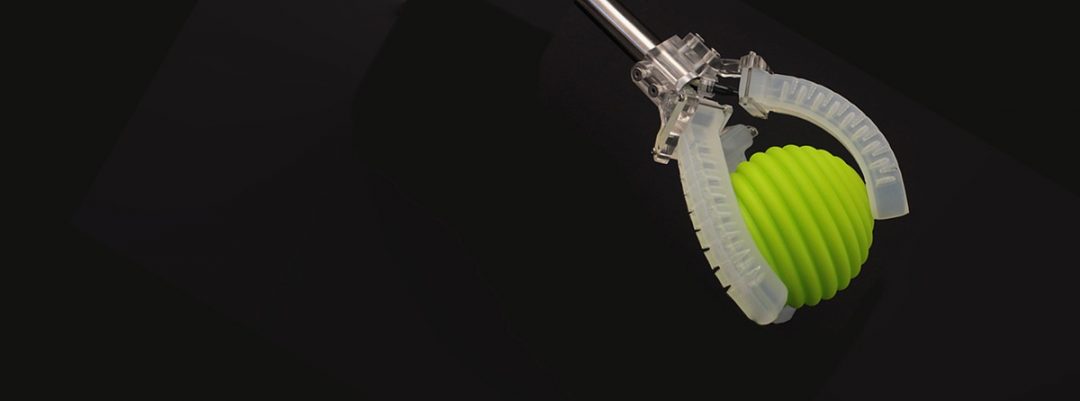
Researchers create soft robots that can sense touch, pressure, movement and temperature.
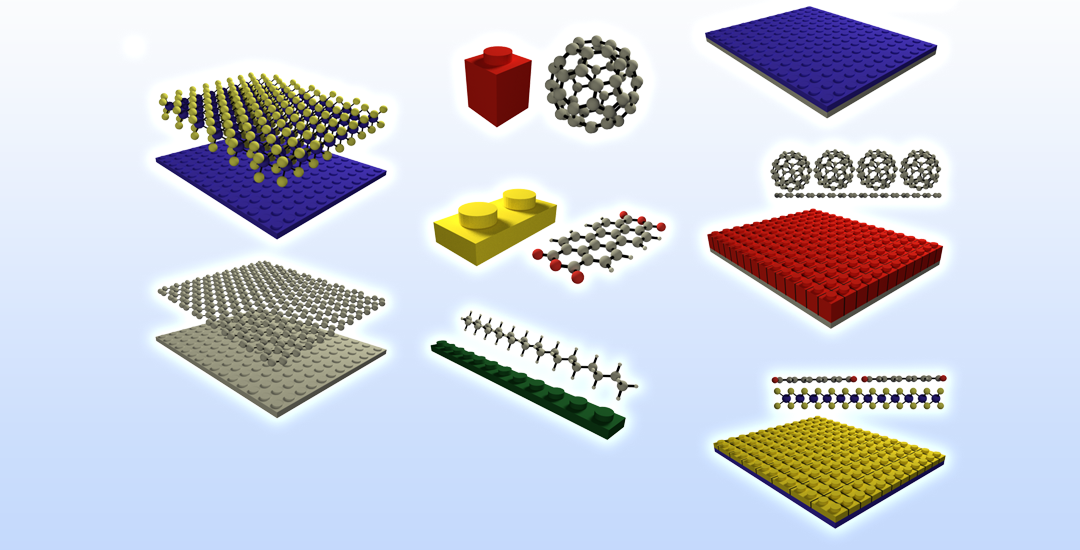
The many possibilties of hybrid organic/inorganic van der Waals heterostructure systems where highly-ordered (supra)molecular layers are interfaced with inorganic 2D materials are discussed.
 New theory suggests gravity is not a fundamental force
 Higgs boson may be driving the Universe’s expansion
 Water-powered gadgets may be on the horizon thanks to new evaporation-based energy device
 Scientists discover a new class of antibiotics
 Micron-sized hidden dimensions could solve two of physics’ deepest puzzles
 A new type of dark matter could explain mysterious radiation from the Milky Way’s core