Developing better protective equipment requires new materials that better disperse energy.


Developing better protective equipment requires new materials that better disperse energy.
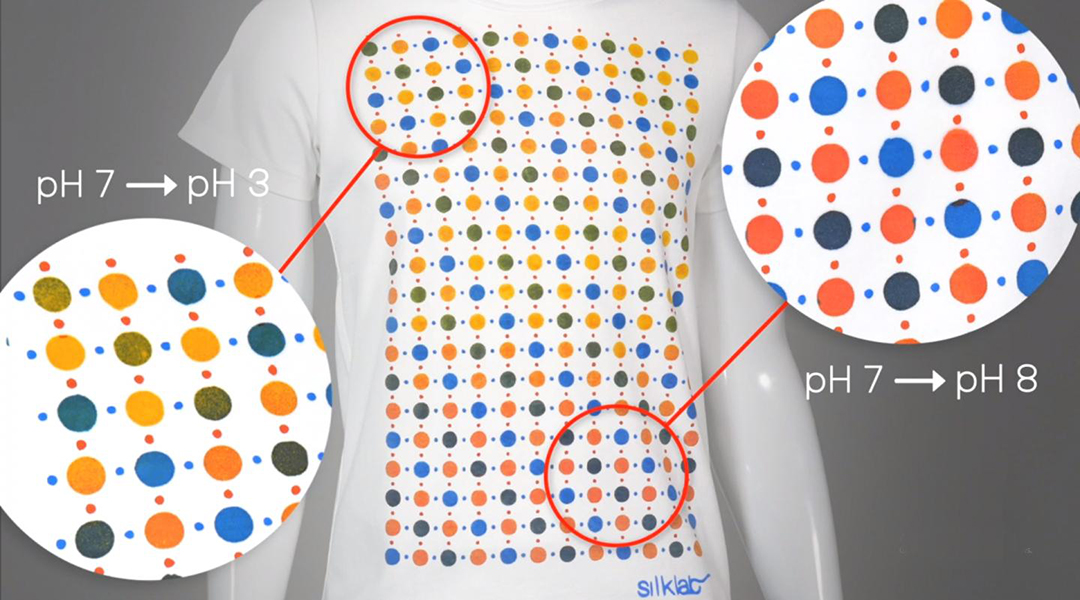
Bioactive inks printed on wearable textiles can map conditions over the entire surface of the body, including possible pathogens.
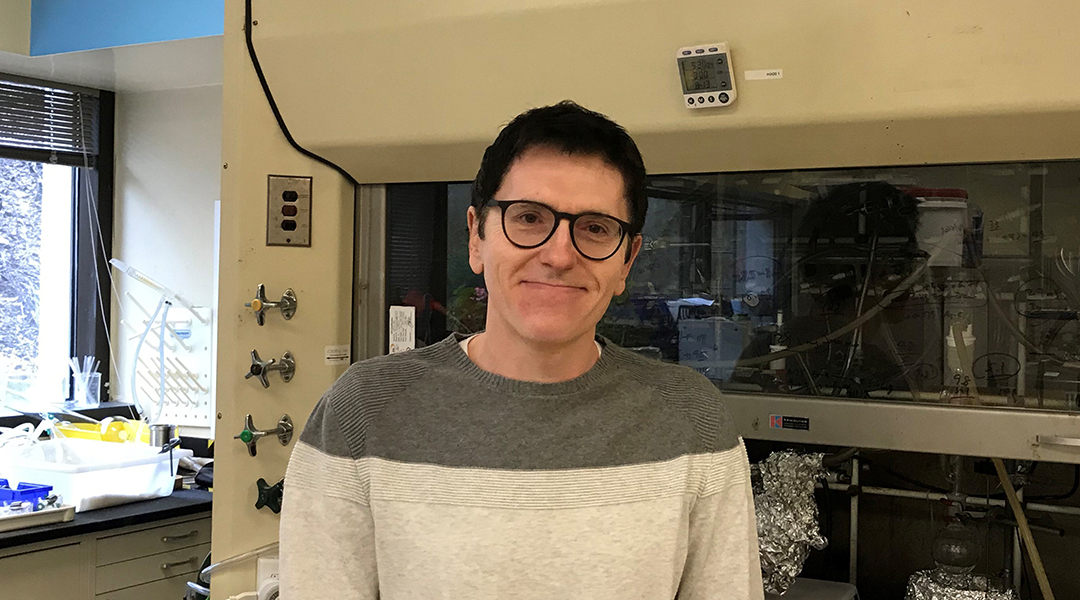
Antonio Facchetti on e-skin and e-textile devices, his career at the interface between academia and industry, and exciting research developments in his field.
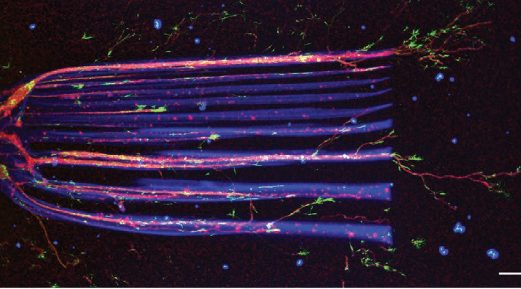
Researchers use “a guiding light” to direct the 3D growth of nerve tissue with a high degree of precision.
A new dielectric coating could help solve a long-standing problem and enhance the performance of lithium-rich materials.
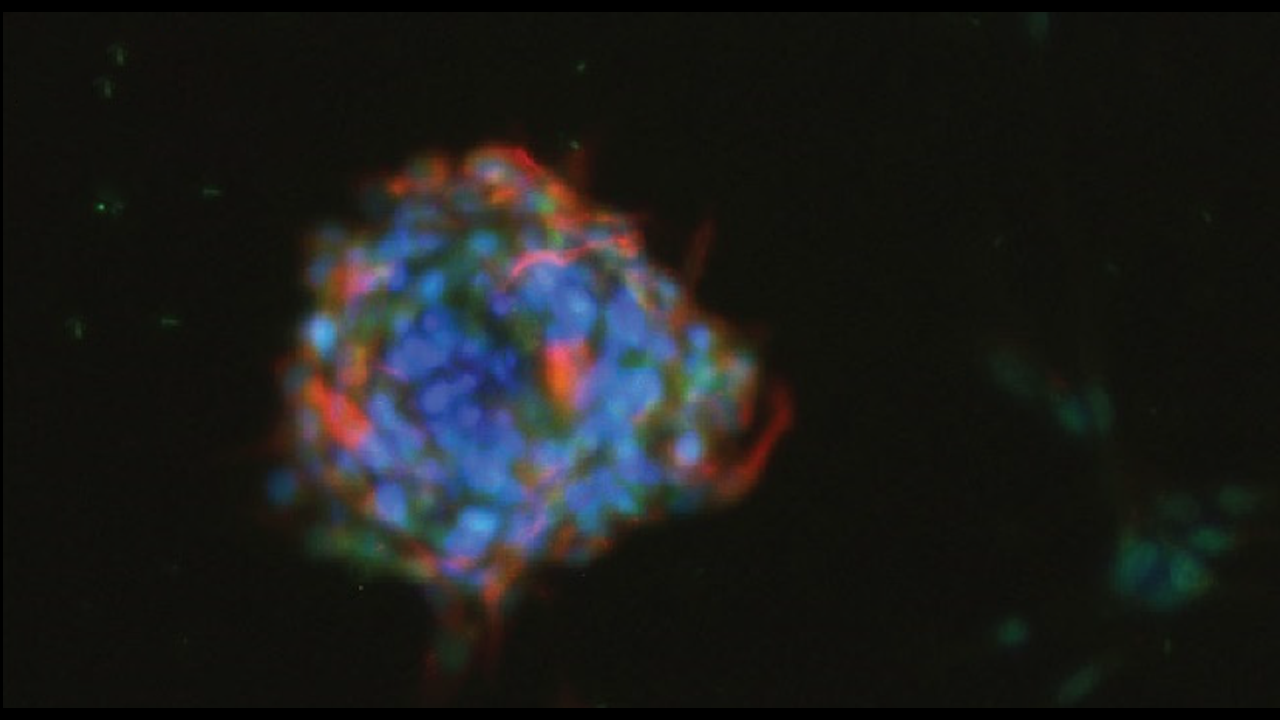
A platform with a unique hierarchical nanoridge-in-microridge structure supports the rapid growth of neural cells.
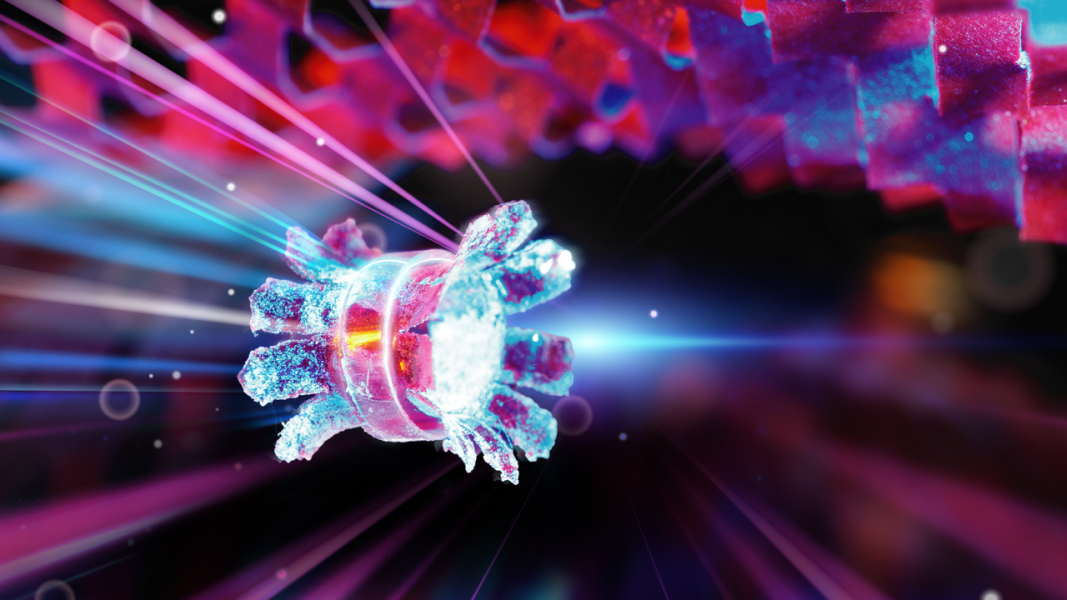
Kirigami transformations give rise to mechanical actuation of a soft robot upon light illumination.
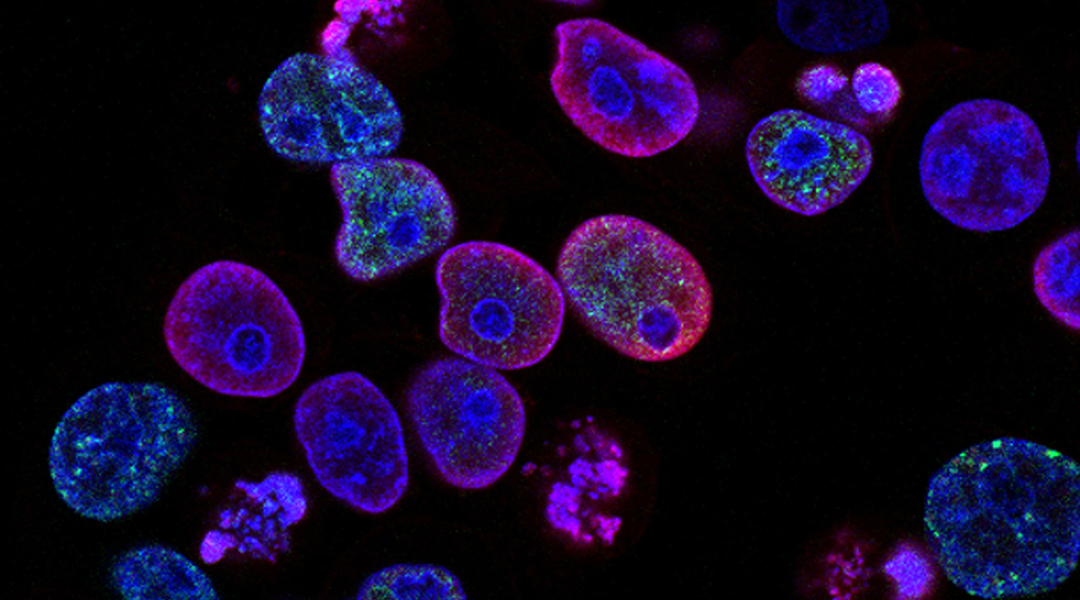
Researchers at the University of Munich have demonstrated a conceptually novel nanocarrier strategy in which the nanoparticles are both the cargo and the carrier.
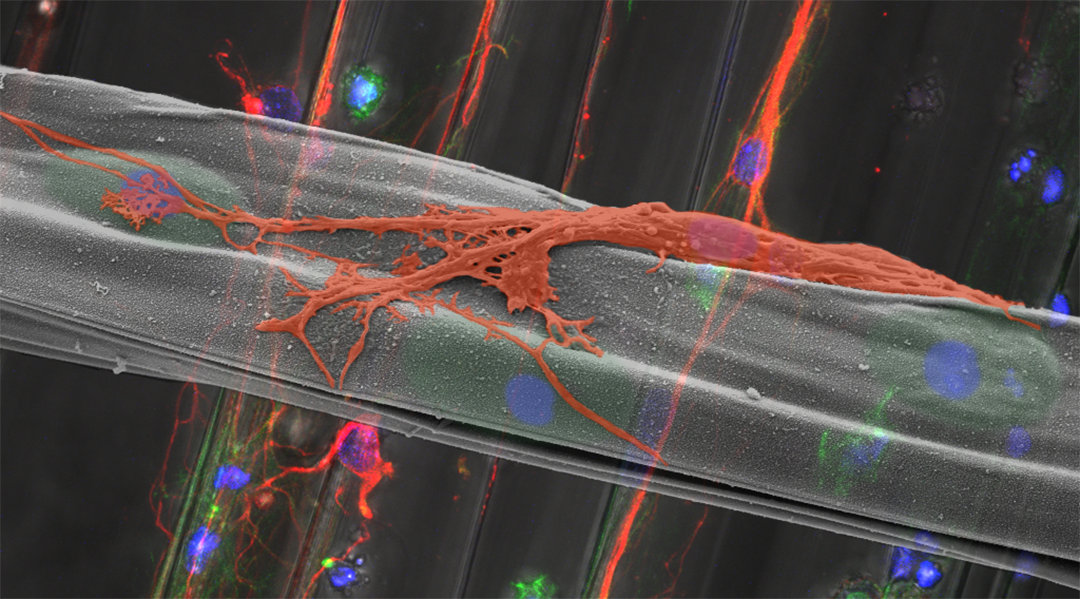
Advanced Science News takes a look at some of the prettiest pictures researchers published in March 2020.

Bridging the gap between biology and electronics, researchers develop biocompatible materials for next generation biosensors, cell monitoring, neuromorphic computing, and more.
 New theory suggests gravity is not a fundamental force
 Higgs boson may be driving the Universe’s expansion
 Water-powered gadgets may be on the horizon thanks to new evaporation-based energy device
 Scientists discover a new class of antibiotics
 Micron-sized hidden dimensions could solve two of physics’ deepest puzzles
 A new type of dark matter could explain mysterious radiation from the Milky Way’s core