New hydrogels from magnetic photonic crystal units combine the advantages of structural colour and the flexibility needed for biological applications.
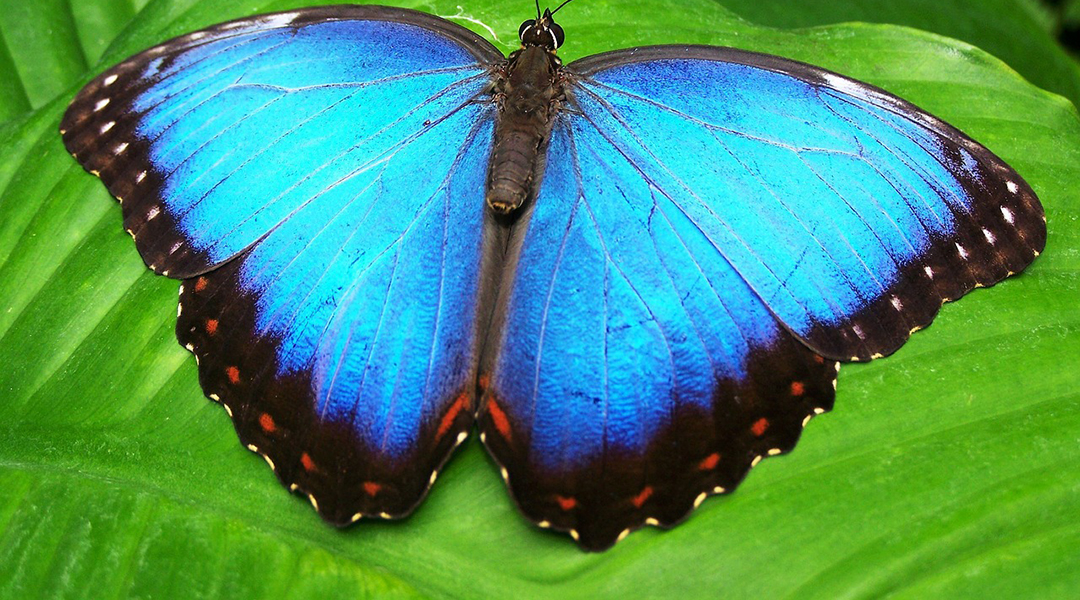

New hydrogels from magnetic photonic crystal units combine the advantages of structural colour and the flexibility needed for biological applications.
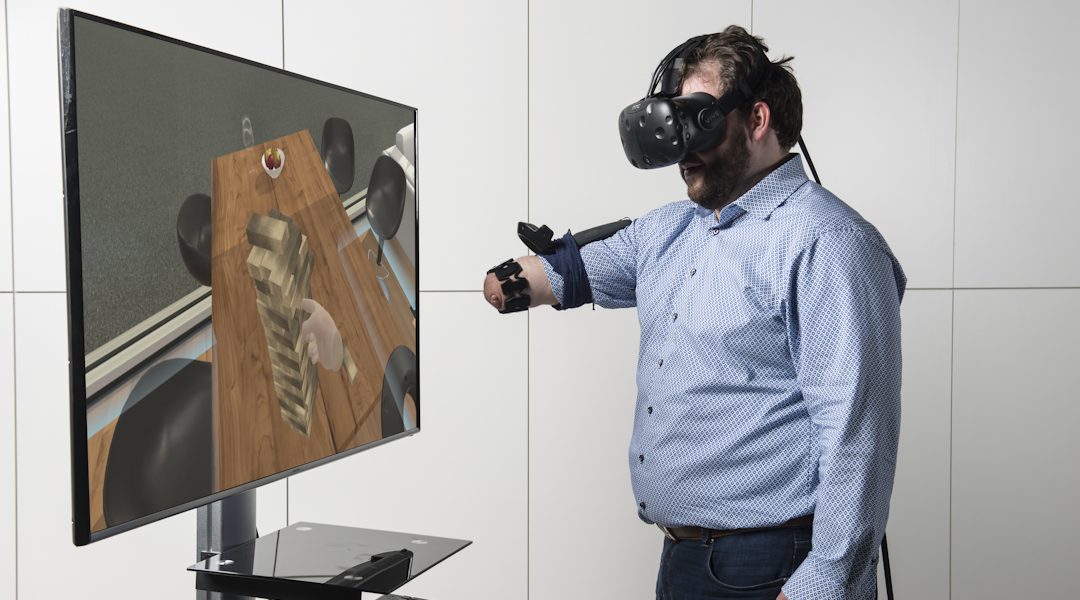
How can humans and the machines work together and mutually adapt to one another?
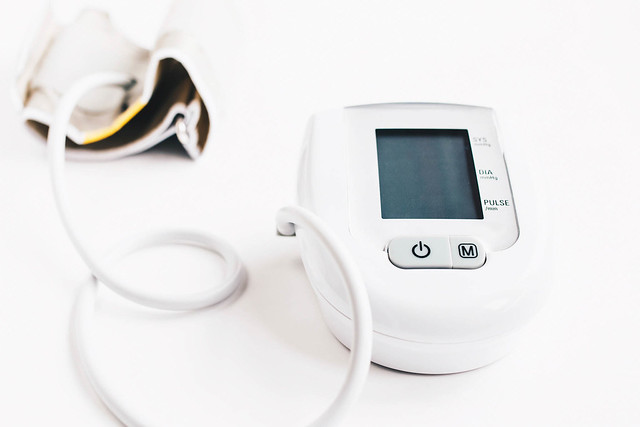
A new skin-mounted sensor uses the skin itself as a floating electrode, enabling low-power health monitoring and doubles as an electroluminescent display.
Artificial muscles based on multidirectional actuators for biomimetic fins.
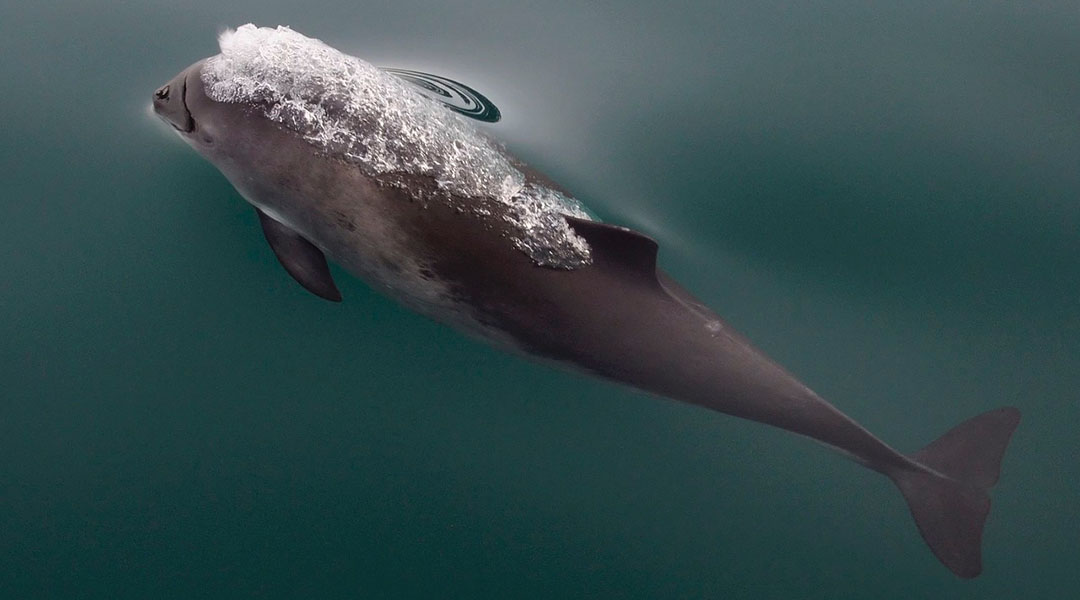
![Monitoring Marine Creatures in the Deep Sea [Video]](https://www.advancedsciencenews.com/wp-content/uploads/2019/08/Cover-for-use-on-title-slide.jpg)
Non-invasive wearable devices are designed for biologging species in underwater environments.
Prof. Jungchul Lee reports a four degrees-of-freedom direct writing technique for liquid metal patterns.
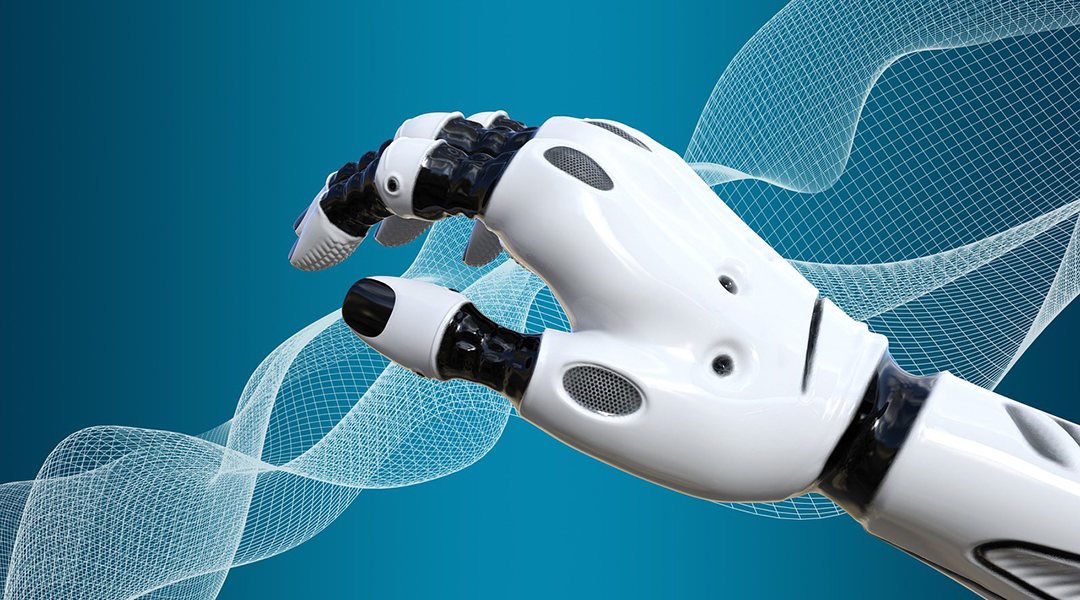
Integration of a magnetic elastomer with data-driven analysis leads to a continuous interaction surface that can estimate location and depth of indentation.
Reseachers from ICMAB present their aqueous electrolyte-gated organic transistors.
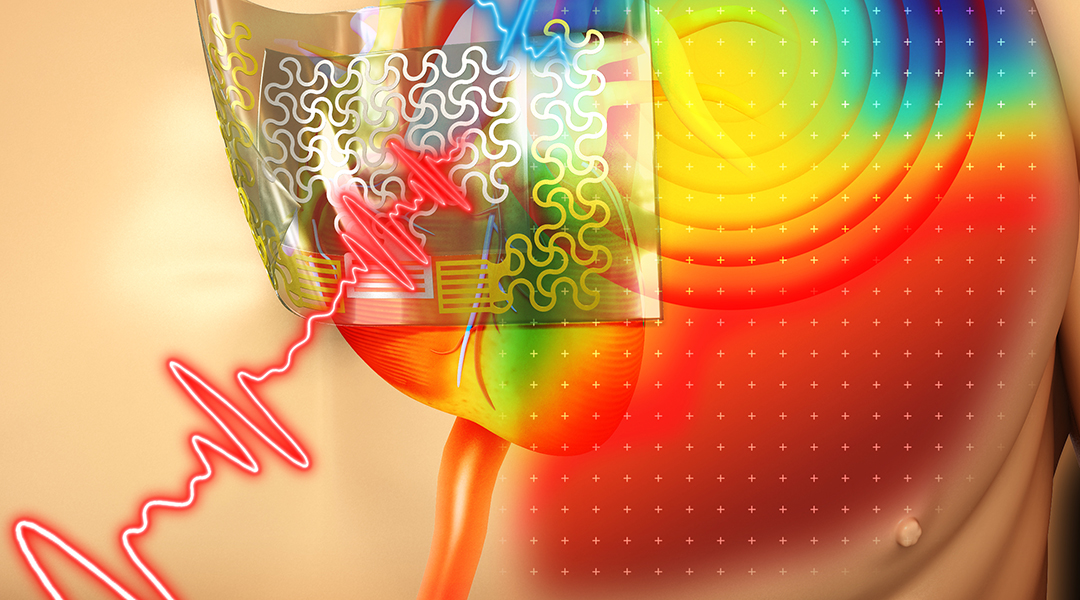
An e-tattoo measures cardiac health in two ways and can be monitored on a smartphone.
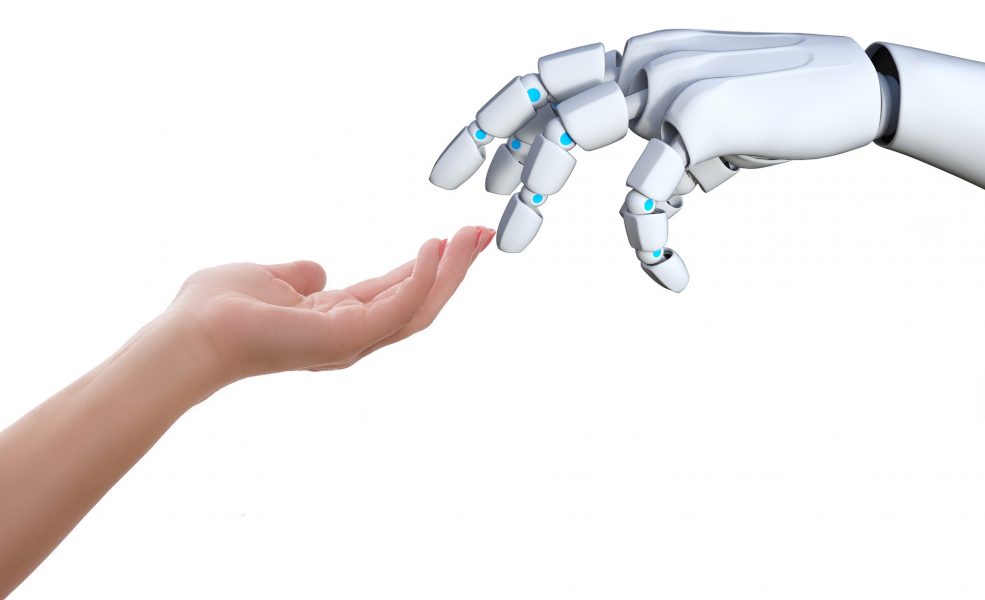
Researchers in Japan take one step closer to making a prosthetic hand with human-like sensory and mechanical capabilities.
 New theory suggests gravity is not a fundamental force
 Higgs boson may be driving the Universe’s expansion
 Water-powered gadgets may be on the horizon thanks to new evaporation-based energy device
 Scientists discover a new class of antibiotics
 Micron-sized hidden dimensions could solve two of physics’ deepest puzzles
 A new type of dark matter could explain mysterious radiation from the Milky Way’s core