Subtle inflaton interactions may reshape our understanding of cosmic inflation, altering predictions about dark matter, black holes, and gravitational waves.

Subtle inflaton interactions may reshape our understanding of cosmic inflation, altering predictions about dark matter, black holes, and gravitational waves.
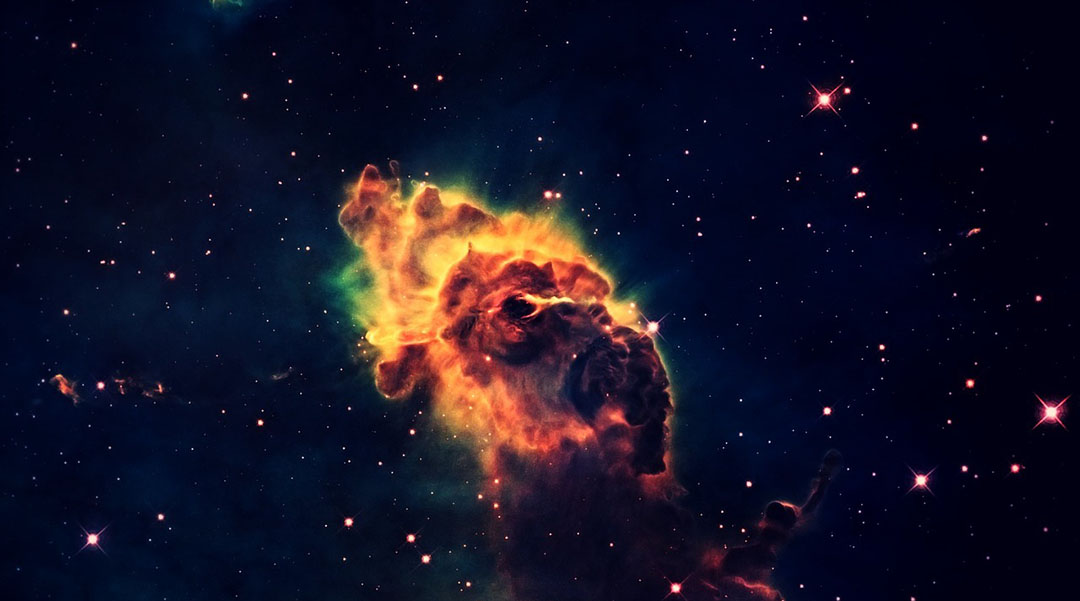
New high-resolution X-ray data reveal that turbulent gas motion, not just black hole activity, prevents star formation in cluster cores.
Lenses help researchers mimic the way massive cosmic objects bend light—bringing the elusive effects of gravitational lensing to Earth.
The discovery of colossal structures like the Big Ring is reshaping established theories about the physics of the Universe.
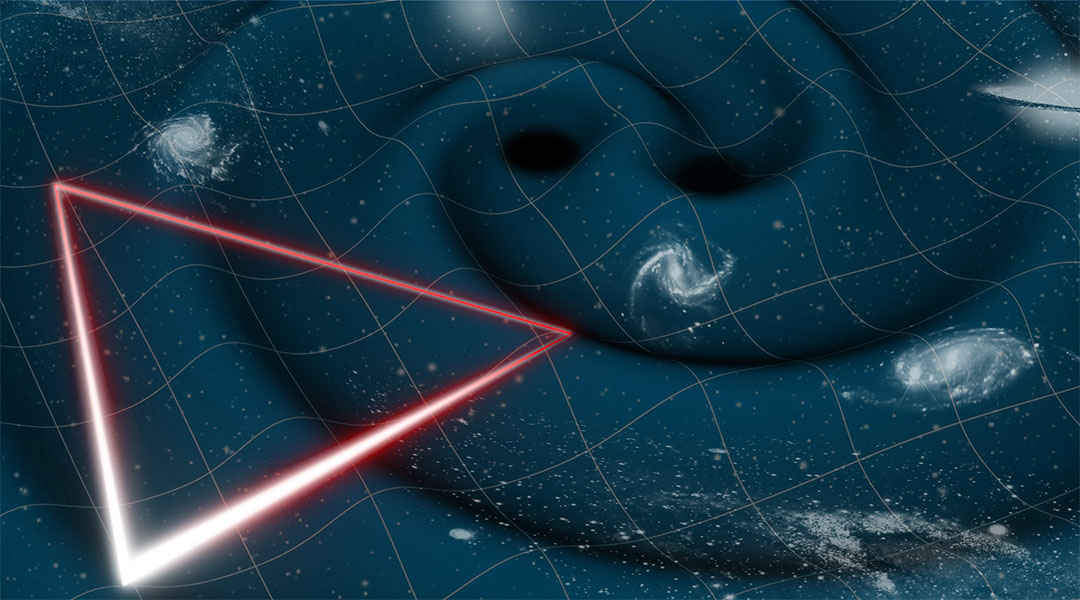
ESA greenlights LISA, a space-based observatory poised to detect gravitational waves across space and time.
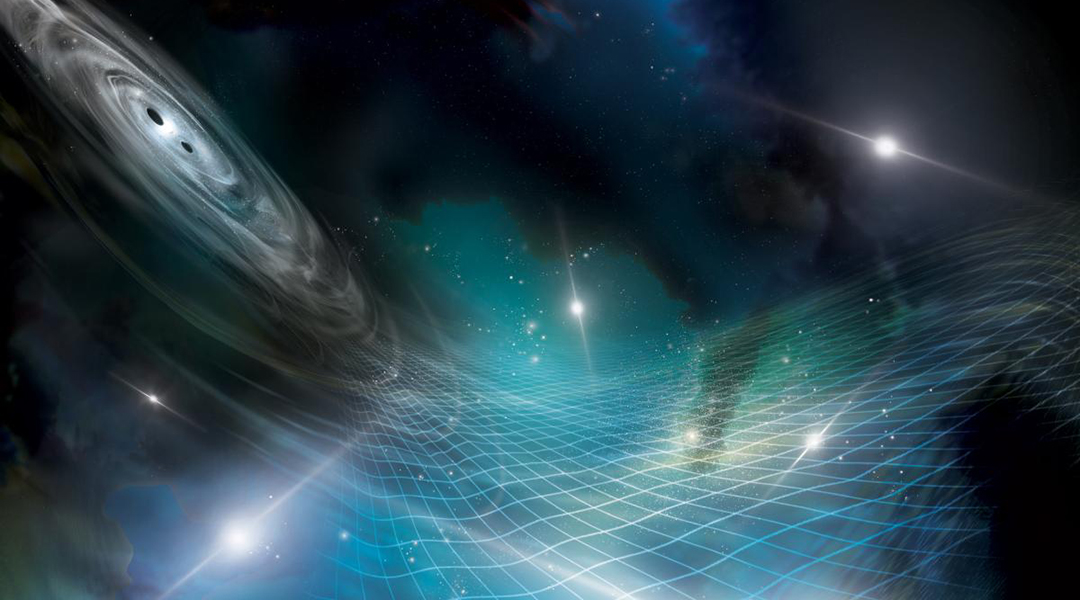
The universe is ringing with gravity, but humanity is only just beginning to hear the nuance of this cosmic symphony.

Using quasars as ticking cosmic clocks, scientists took a journey back in time, discovering time progressed five times slower just after the Big Bang.
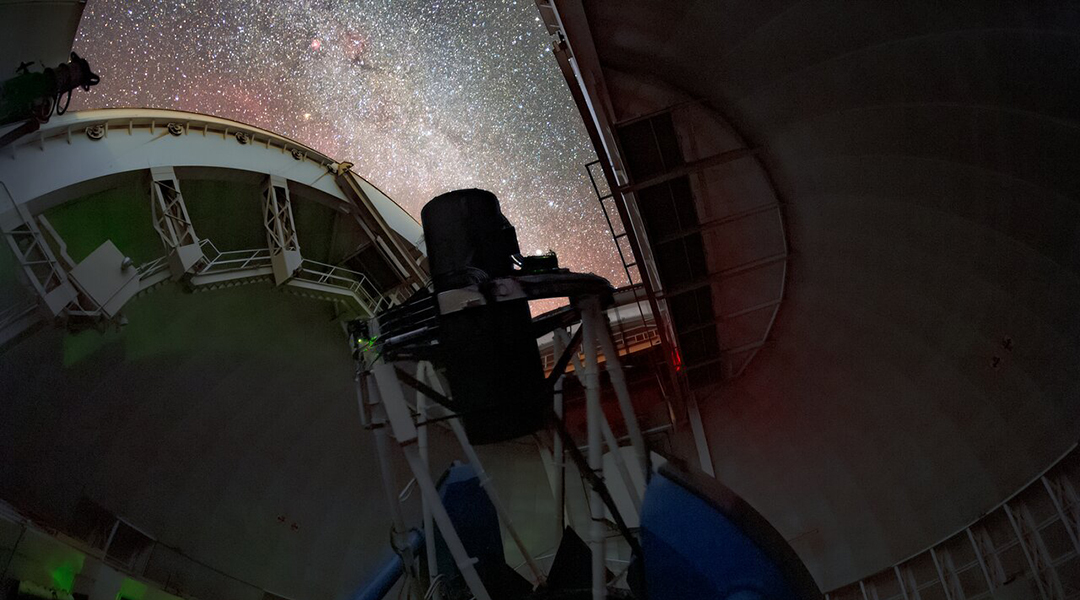
Galaxies, quasars, and stars… oh my! Dark Energy Spectroscopic Instrument (DESI) first data is a small fraction of the huge cosmic survey it will conduct.
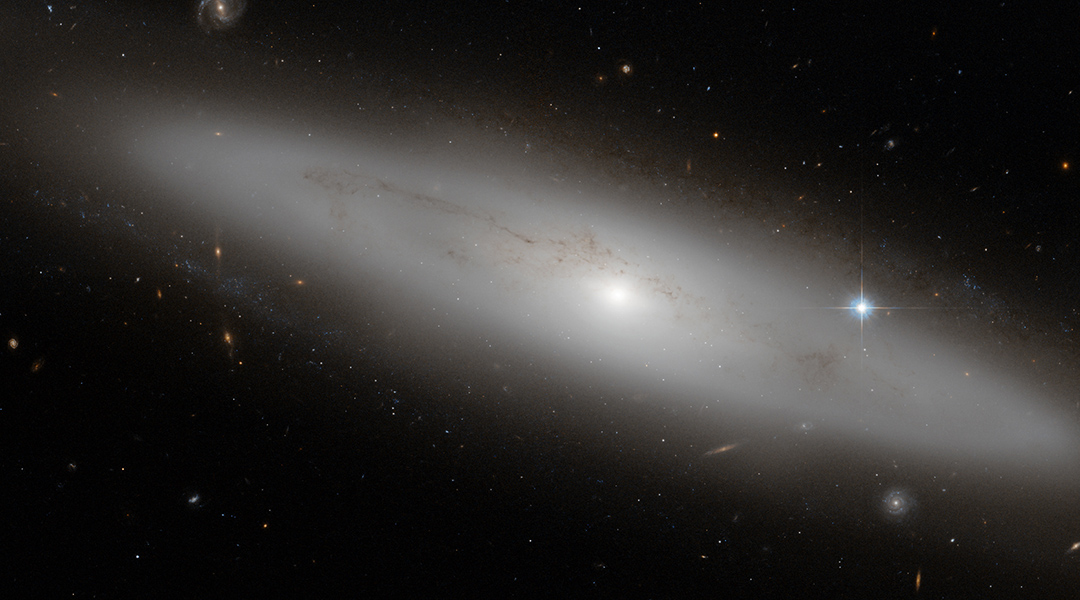
An unexpected finding in the heart of the NGC 3182 galaxy led to an intriguing search for the origins of a ring of star-forming gas.
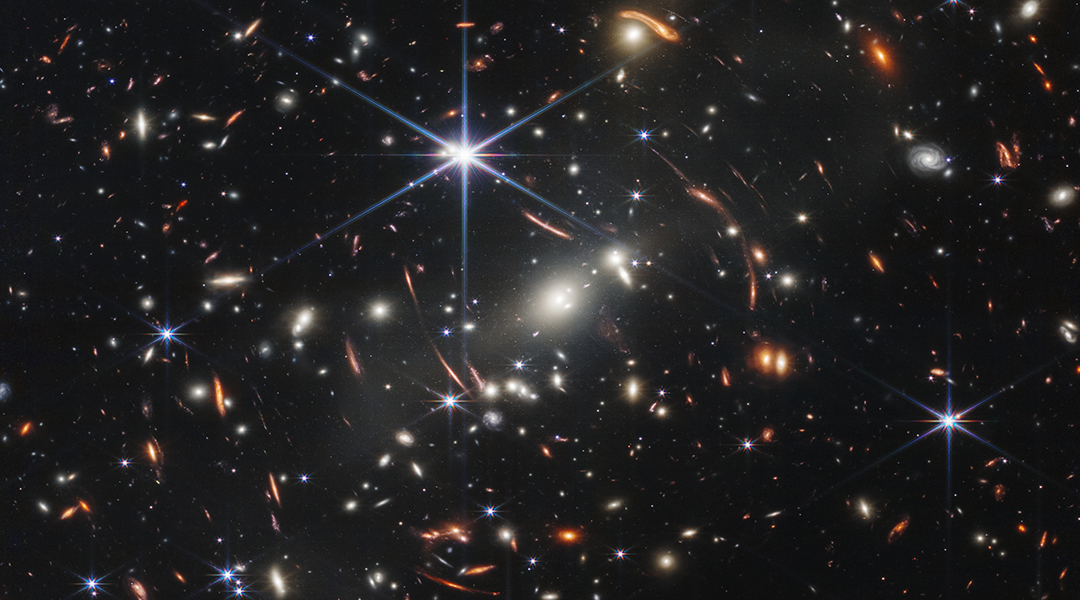
NASA has published the first five images from the James Webb Space Telescope, highlighting each of the key questions it will study.
 New theory suggests gravity is not a fundamental force
 Higgs boson may be driving the Universe’s expansion
 Water-powered gadgets may be on the horizon thanks to new evaporation-based energy device
 Scientists discover a new class of antibiotics
 Micron-sized hidden dimensions could solve two of physics’ deepest puzzles
 A new type of dark matter could explain mysterious radiation from the Milky Way’s core