Macromolecular Chemistry and Physics presents advantages and potentials of the anionic polymerization technique.
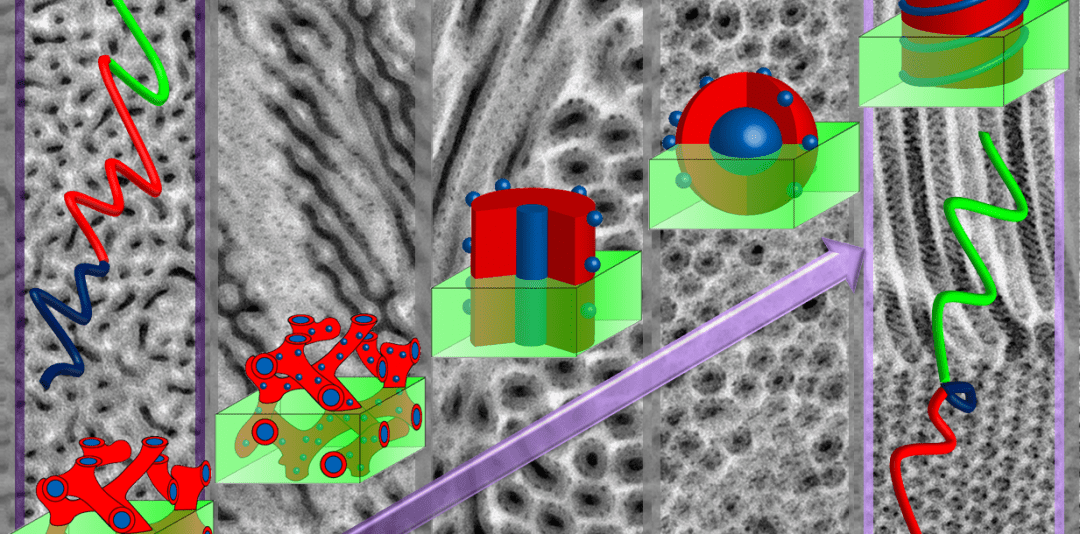

Macromolecular Chemistry and Physics presents advantages and potentials of the anionic polymerization technique.

Researchers design a bio-inspired batoid robot from non-toxic hydrogels operated with Au microelectrodes.
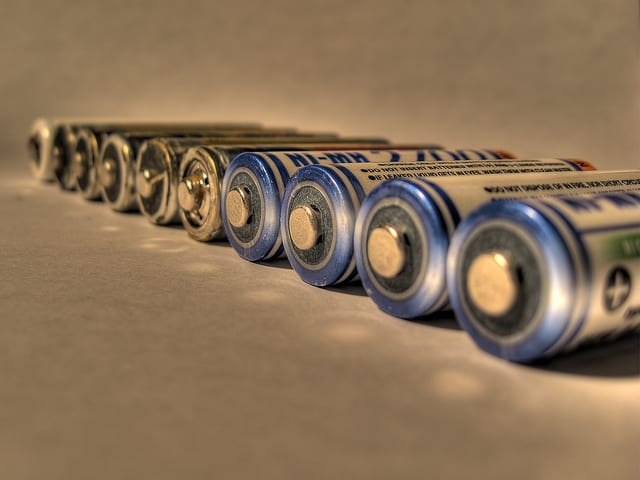
Jaephil Cho and co-workers assess the commercial potential of nickel-rich cathode materials, informing decisions on industrial uptake of these materials.

To confront global warming, climate changes and a potential energy shortage, biodiesel has been receiving increasing interest as a substitute for diesel fuels in efforts to seek for sustainable development. Microalgae-derived biodiesel is a promising energy source.
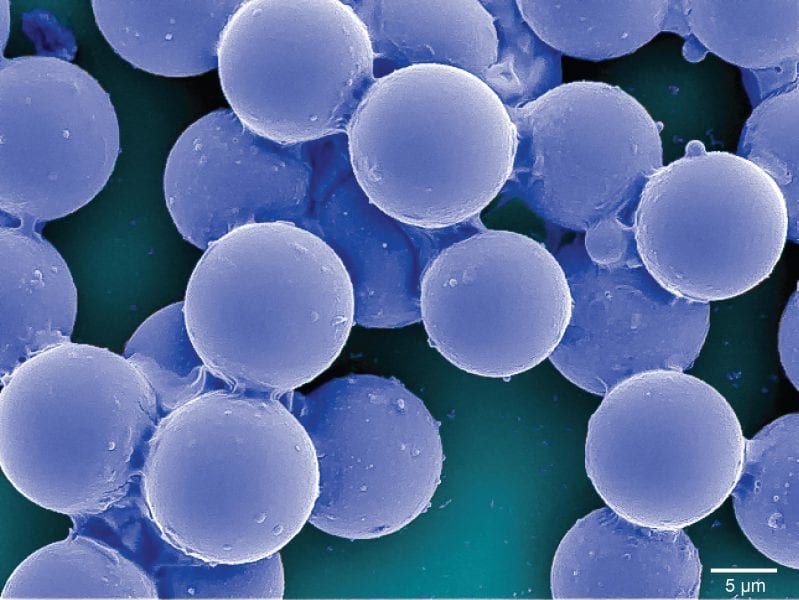
A simple and convenient method to fabricate thermoresponsive gel particles with tunable size across multiple size scales opens new directions in biomaterials, optics, and pharmaceutics.
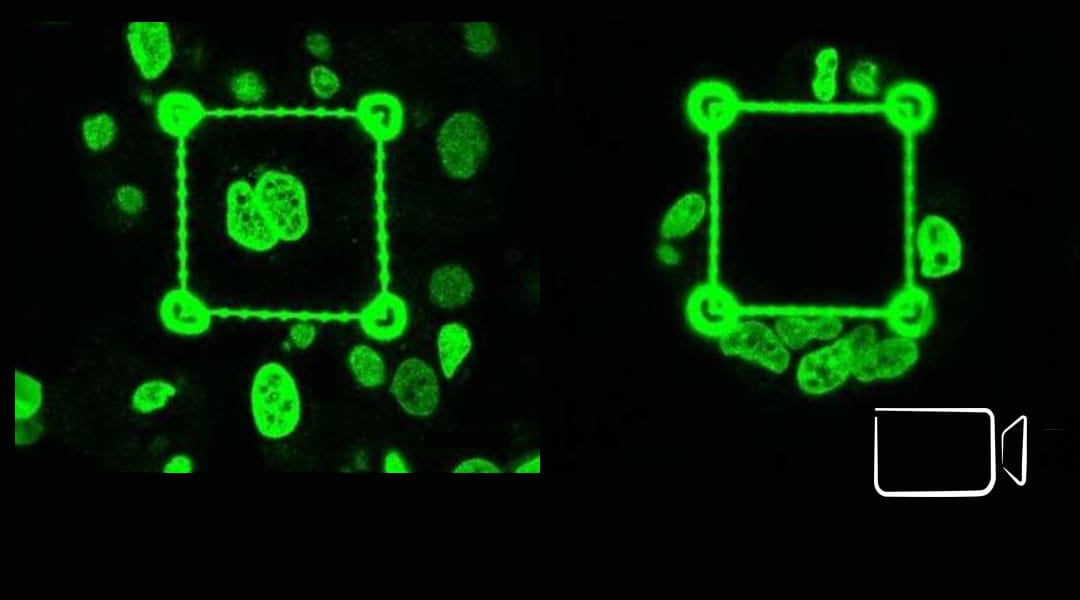
An approach to study tumor cell invasiveness by exploiting an innovative class of polymeric scaffolds based on two-photon lithography to control the stiffness of deterministic microenvironments in 3D is presented.

The first bottle containing renewable isobutene has been filled in the Global Bioenergies‘ demo plant in Leuna.
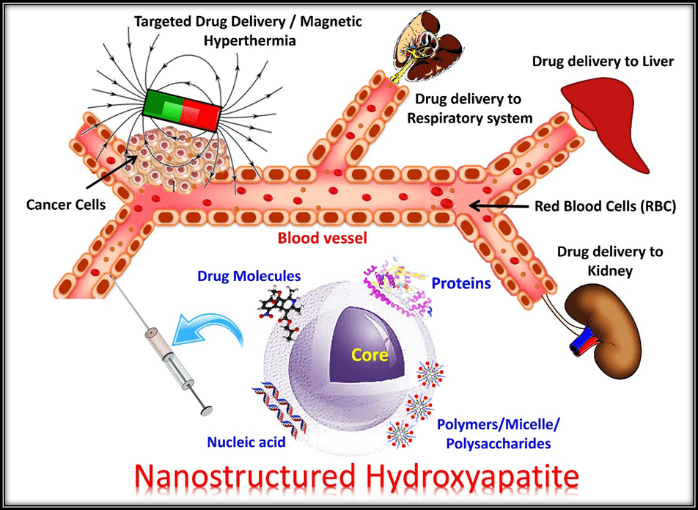
Nanostructured hydroxyapatite (nHAp) appears to have a great potential to revolutionize the hard tissue-engineering field, starting from bone repair and augmentation to controlled drug delivery systems.

Batteries from a variety of manufacturers are examined using high-speed X-ray imaging to determine their failure mechanisms during thermal runaway.

Pattern regulation, as observed in regeneration and development, enables cells to cooperate toward the creation and maintenance of complex anatomies. This image shows planaria, of which every piece has the information needed to restore a complete planarian target morphology.
 New theory suggests gravity is not a fundamental force
 Higgs boson may be driving the Universe’s expansion
 Water-powered gadgets may be on the horizon thanks to new evaporation-based energy device
 Scientists discover a new class of antibiotics
 Micron-sized hidden dimensions could solve two of physics’ deepest puzzles
 A new type of dark matter could explain mysterious radiation from the Milky Way’s core