Dr. Rahul Vaish discusses his recent article on lead-free pyroelectric materials for energy harvesting, which brings new insights on the development of this technology for the efficient harvesting of thermal energy from waste heat.
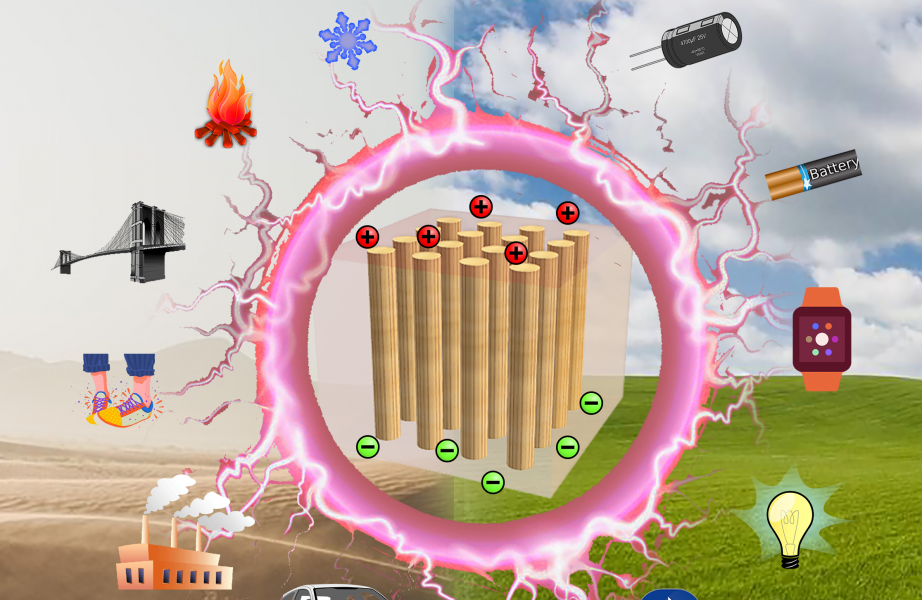

Dr. Rahul Vaish discusses his recent article on lead-free pyroelectric materials for energy harvesting, which brings new insights on the development of this technology for the efficient harvesting of thermal energy from waste heat.

Swiss researchers developed fibers that can detect even the slightest pressure and strain and can withstand considerable deformation.
The role of subsurface legacy sources that have lead to dead, zero-oxygen zones in the sea is assessed.
How do most people adapt to floods? What do most people do to cope with heatwaves? Which strategies to adapt to any environmental shock or stress are most common and which most rare?
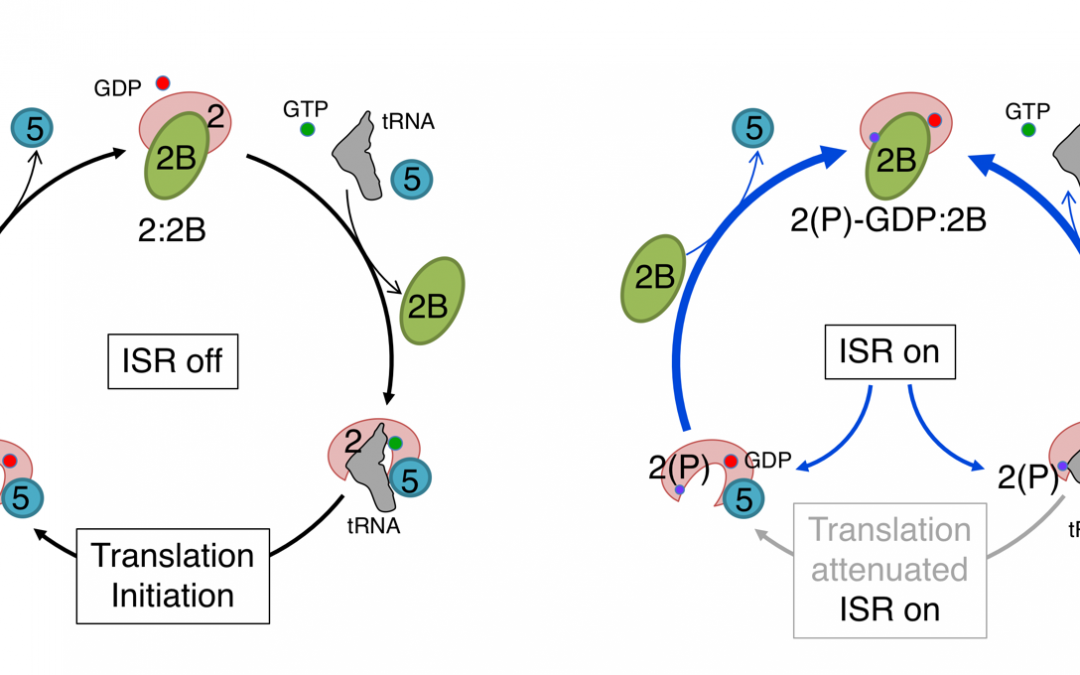
The integrated stress response (ISR) is a highly-conserved pathway used by cells to respond to diverse cellular stresses.

Bringing together leading quantum researchers to pave the way towards quantum-enabled devices in the near future.
There are striking similarities between the structure of natural river networks and others found in systems as diverse as brains, roads and the communication technologies. Using a series of examples, the authors illustrate how a suite of graph theory-based metrics derived from diverse disciplines can be used to provide new insights into the structure and kinematics of braided river networks.
![A Carbon-Quantum-Dot-Based Electrocatalyst for Hydrogen Evolution [Video]](https://www.advancedsciencenews.com/wp-content/uploads/2018/07/adma201800676_ASN_image.jpg)
A novel ruthenium electrocatalyst based on carbon quantum dots (CQDs) for the hydrogen evolution reaction (HER), using ginkgo leaves as a starting material, is developed.
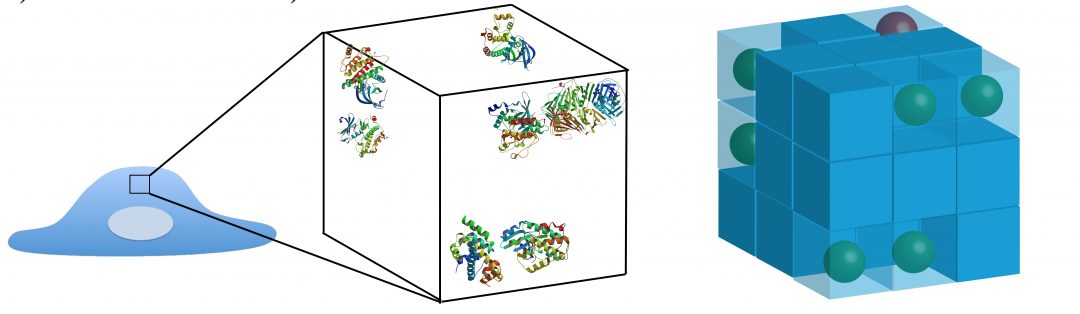
Mohammad Soheilypour and Mohammad Mofrad discuss a technique termed ‘agent-based modeling’ that is used in systems biology.

Dr. Dongling Ma (INRS) and co-author Deepak Thrithamarassery Gangadharan talk to us about themselves, their careers, and the future of perovskite solar cell research.
 New theory suggests gravity is not a fundamental force
 Higgs boson may be driving the Universe’s expansion
 Water-powered gadgets may be on the horizon thanks to new evaporation-based energy device
 Scientists discover a new class of antibiotics
 Micron-sized hidden dimensions could solve two of physics’ deepest puzzles
 A new type of dark matter could explain mysterious radiation from the Milky Way’s core