Study finds air pollution, specifically ozone exposure, has a disruptive affect on the genes responsible for circadian rhythms in the lungs.


Study finds air pollution, specifically ozone exposure, has a disruptive affect on the genes responsible for circadian rhythms in the lungs.
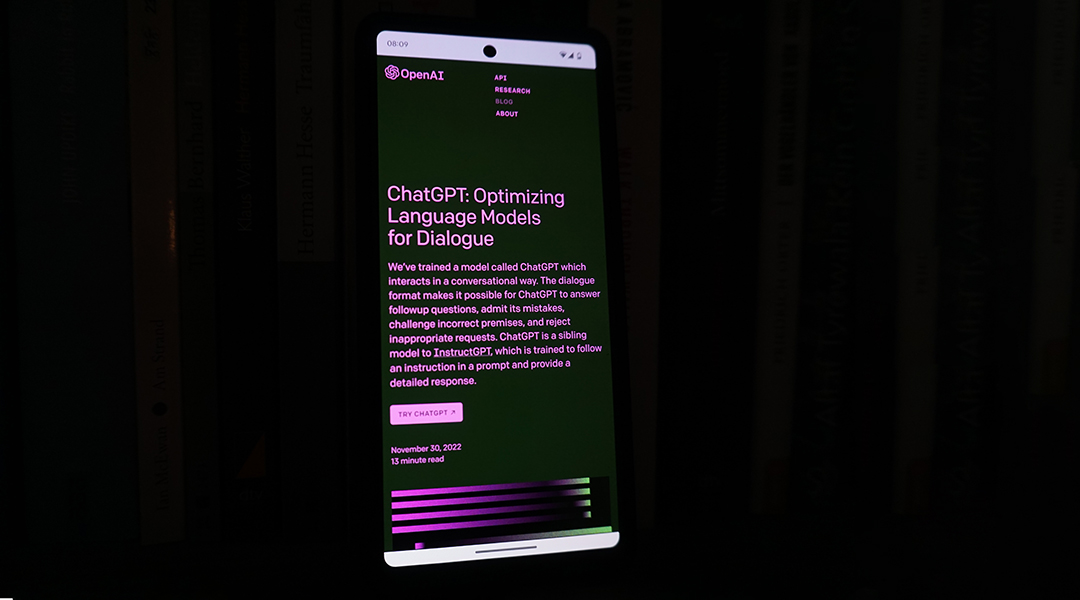
GPT detectors wrongfully flagged a majority of submissions by non-native English speakers as AI-generated content, raising concerns about their use.
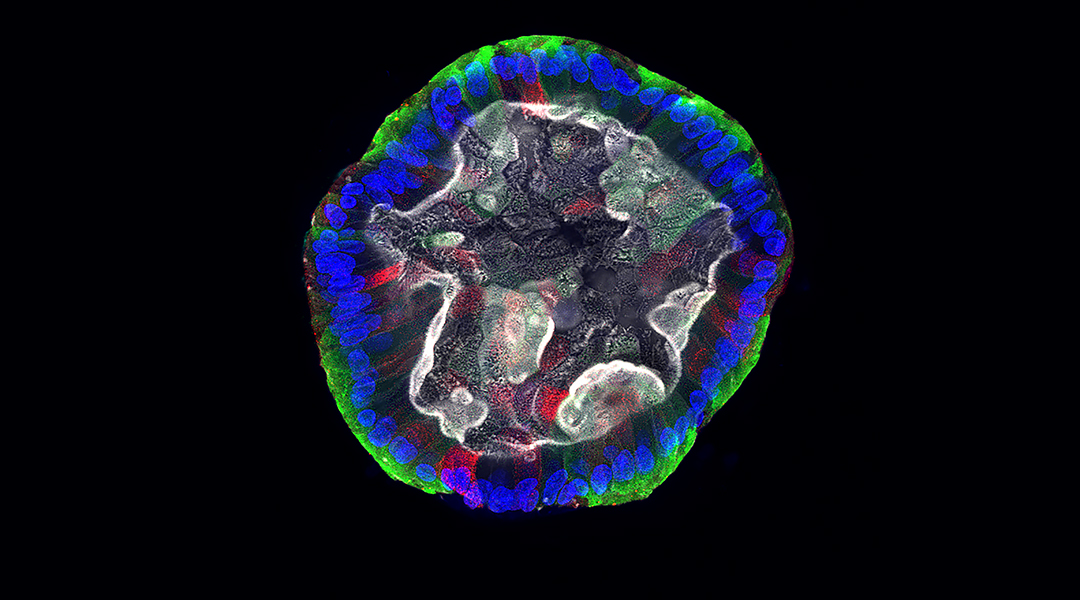
Addressing the lack of diversity in drug testing, scientists are using organoids from voluntary donors to enhance equity and inclusion.
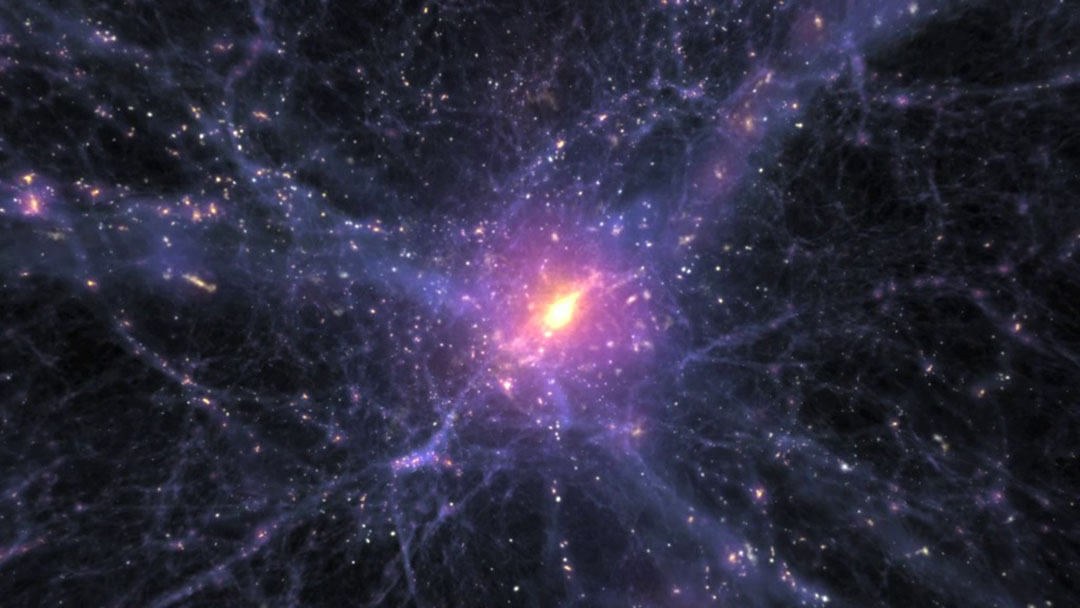
Scientists propose a modified cosmological model that challenges the existence of dark matter and dark energy.
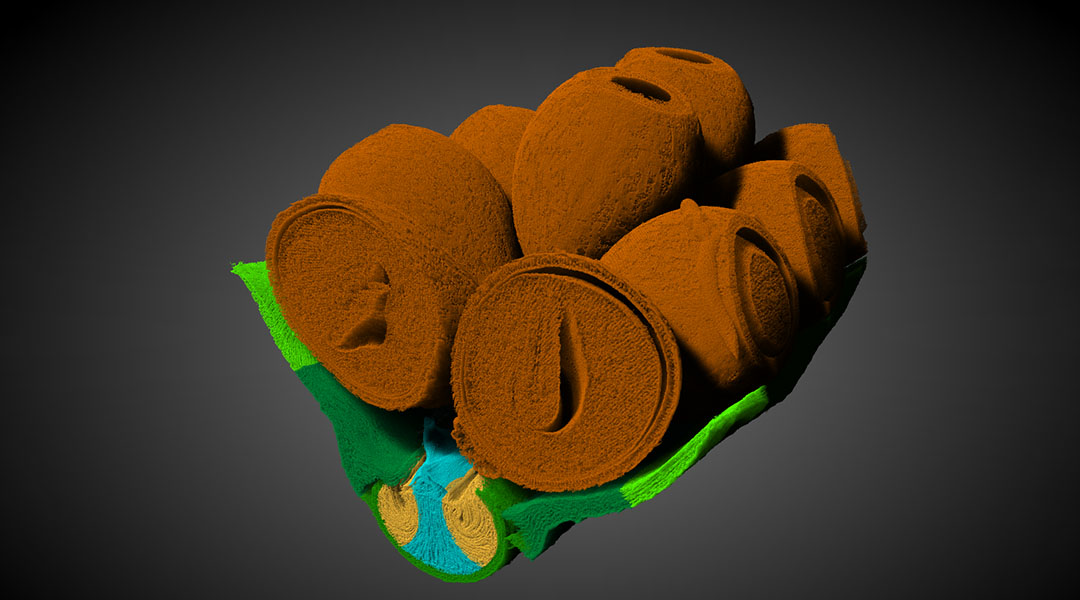
Taking inspiration from nature, scientists create a two-component catapult that overcomes limitations in 4D printing.
A collection of opinions that explores the benefits and risks of generative AI models, such as ChatGPT.
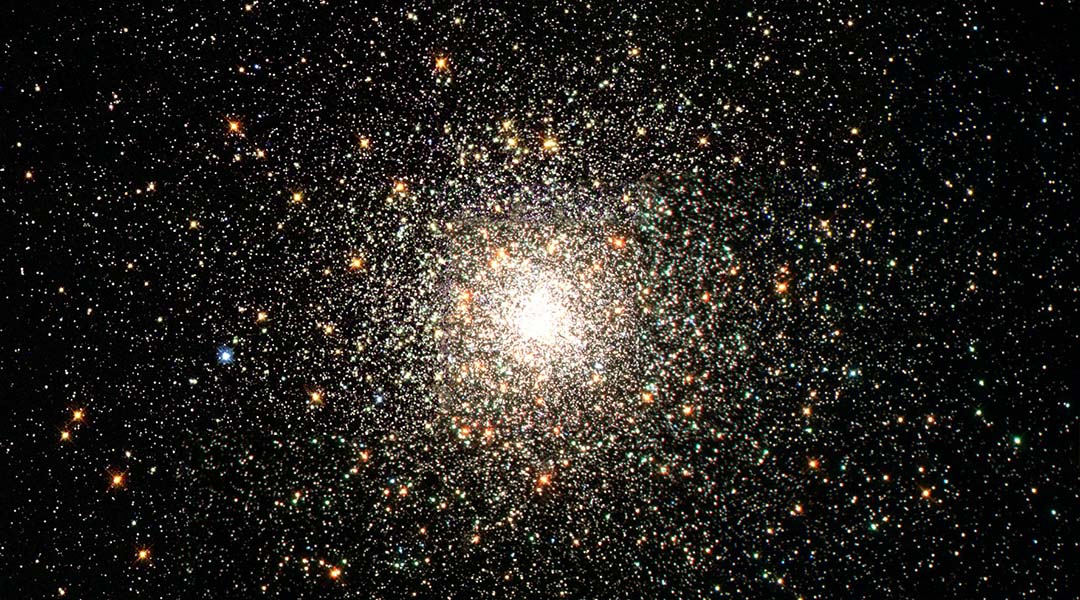
A new study evaluates gravity using string theory, a promising candidate for describing particle interactions at their most fundamental level.
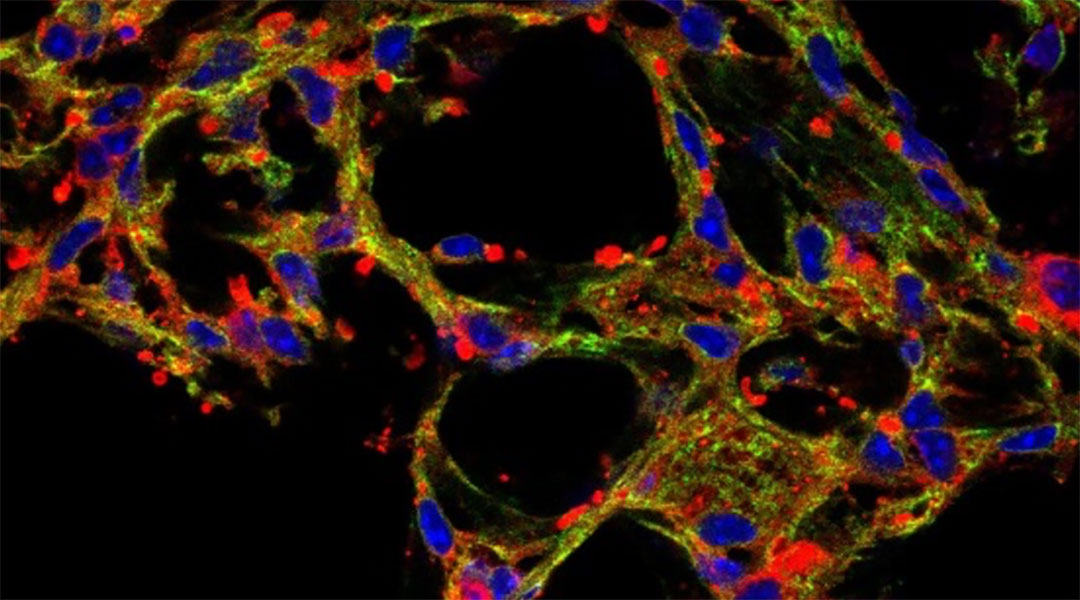
An inhaled drug carrier helps minimize side effects while delivering drugs to the lungs to treat diseases such as pulmonary fibrosis.
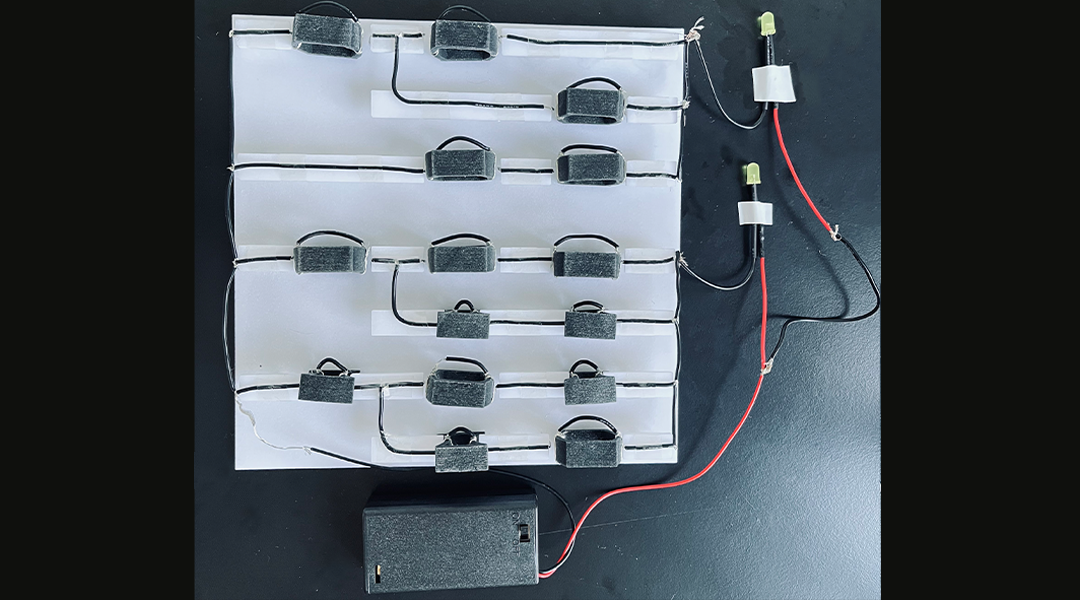
Putting a modern spin on old tech, scientists create a mechanical computer from metamaterials for situations where electronic computers break down.
Experiments performed using CERN’s the Large Hadron Collider provide insights into the particles that make up protons and their interactions.
 New theory suggests gravity is not a fundamental force
 Higgs boson may be driving the Universe’s expansion
 Water-powered gadgets may be on the horizon thanks to new evaporation-based energy device
 Scientists discover a new class of antibiotics
 Micron-sized hidden dimensions could solve two of physics’ deepest puzzles
 Turning Periods into Power: Menstrual Blood a Valuable Resource for Medical Diagnostics