A new study is the first to examine micro- and nanoplastic occurrence in human organs, providing the first clues on potential exposure sources and routes.


A new study is the first to examine micro- and nanoplastic occurrence in human organs, providing the first clues on potential exposure sources and routes.
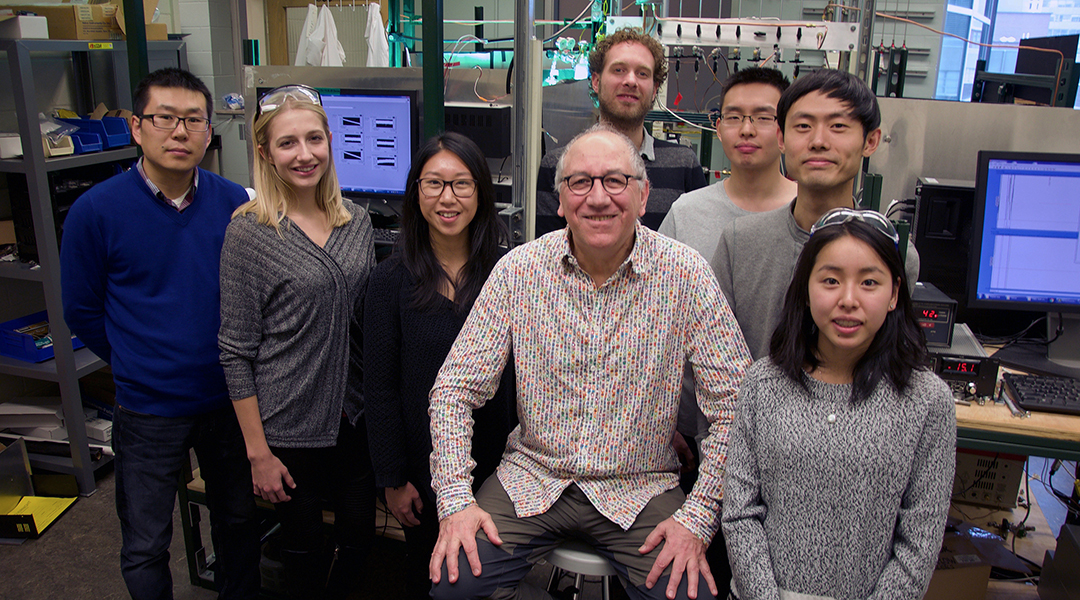
To celebrate his upcoming 77th birthday, we reached out to nanochemist and long-time ASN contributor, Geoffery Ozin, to discuss his colorful career, current projects, and plans for the future.

Celebrating “10 years of Advanced Energy Materials Research,” we chatted with Jang Wook Choi of SNU about his career and the future of battery research.

SARS-CoV-2 can survive the human digestive tract, and new research shows that flushing toilets could be a means of transmitting the virus.

Micro- and nanoparticle-based drug delivery systems are revolutionizing medicine, from minimizing the toxicity of therapeutics to improving their efficacy.
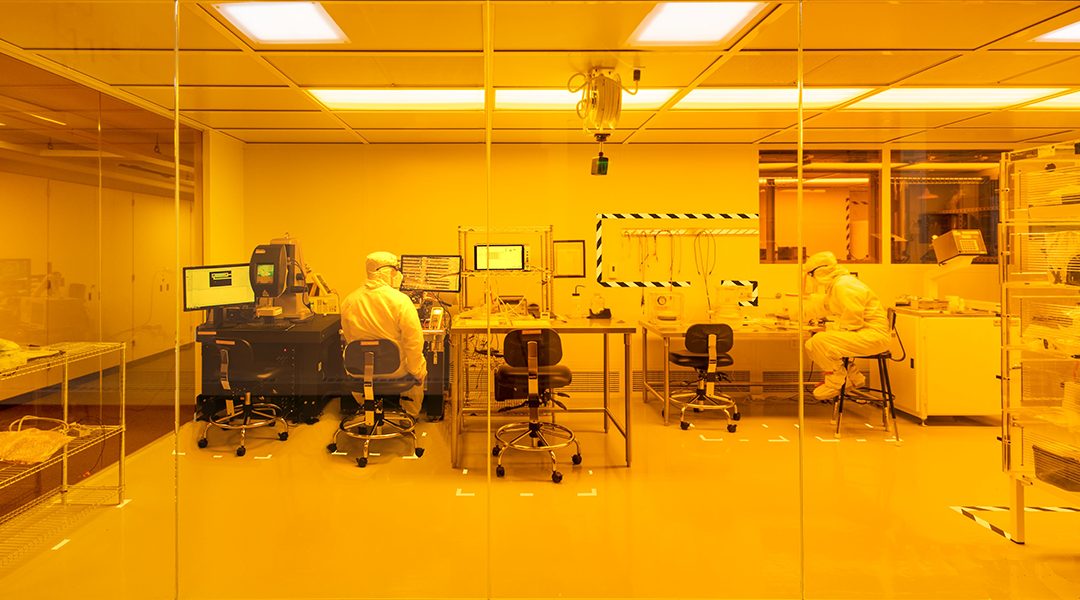
MIT lab offers a model for cost savings, productivity, and safety; principles may also facilitate efficient reopening in the future.

An unexpected link between two entirely different fields of physics.

A new AI system can identify optimal combinations of drugs and dosages in a matter of days to help halt viral pandemics before they reach global scales.

Researchers look at how industries and governments can work together to bring down carbon emissions.
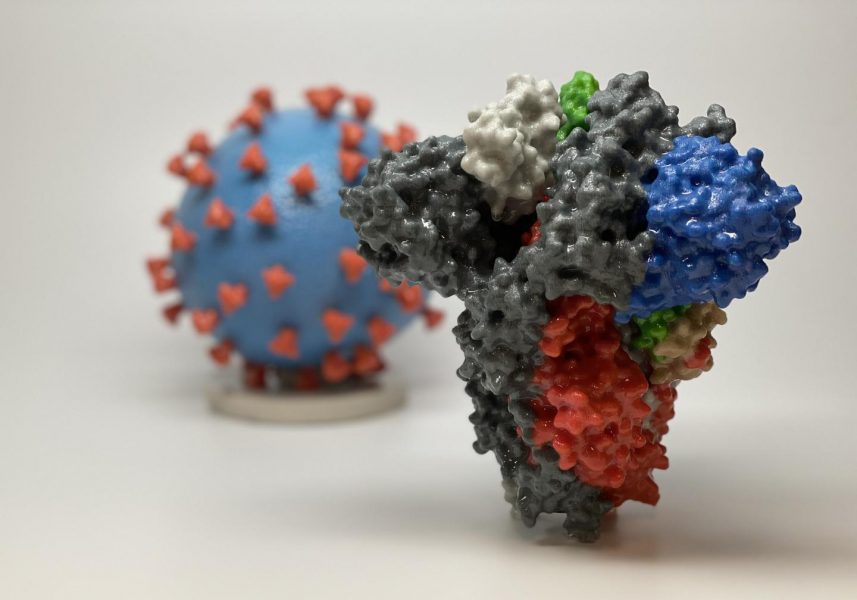
NIH clinical trial tests a new vaccine for COVID-19 in humans. While still in early stages, the team hopes to make it available as soon as possible.
 New theory suggests gravity is not a fundamental force
 Water-powered gadgets may be on the horizon thanks to new evaporation-based energy device
 Micron-sized hidden dimensions could solve two of physics’ deepest puzzles
 Turning Periods into Power: Menstrual Blood a Valuable Resource for Medical Diagnostics
 Solar panels made of lunar dust could power a future Moon base
 Organic materials bring probabilistic computing closer to reality