Optimizing H- and J-type aggregates significantly improves the power conversion efficiency in bulk-heterojunction solar cells.


Optimizing H- and J-type aggregates significantly improves the power conversion efficiency in bulk-heterojunction solar cells.
Alternative compounds consisting of abundant, inexpensive, and eco-friendly elements for solar cells are needed.
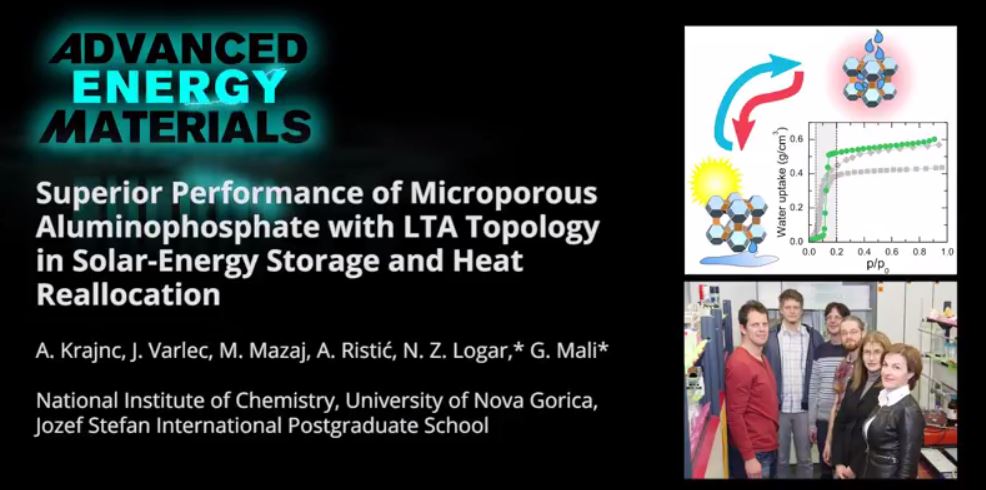
A microporous aluminophosphate with Linde Type A (LTA) topology (ALPO-LTA) is found to have long-term solar energy storage potential by researchers from University of Nova Gorica, Slovenia.
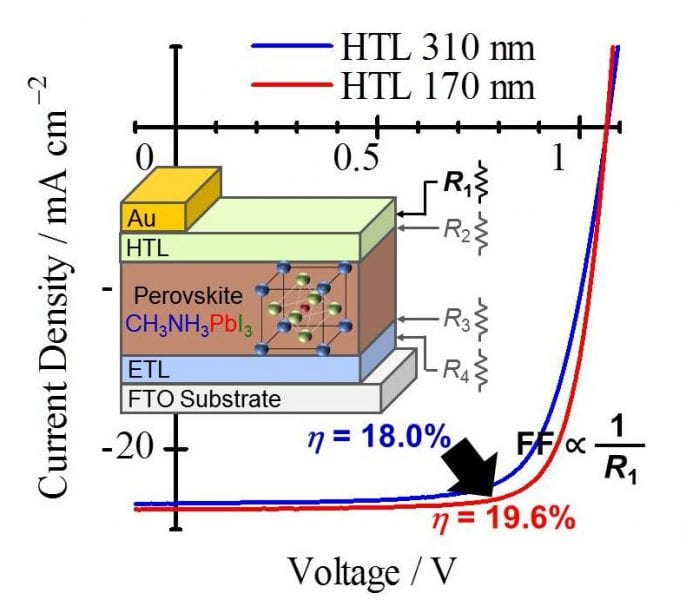
Perovskite solar cells with different thicknesses of the hole-transporting layer are fabricated.
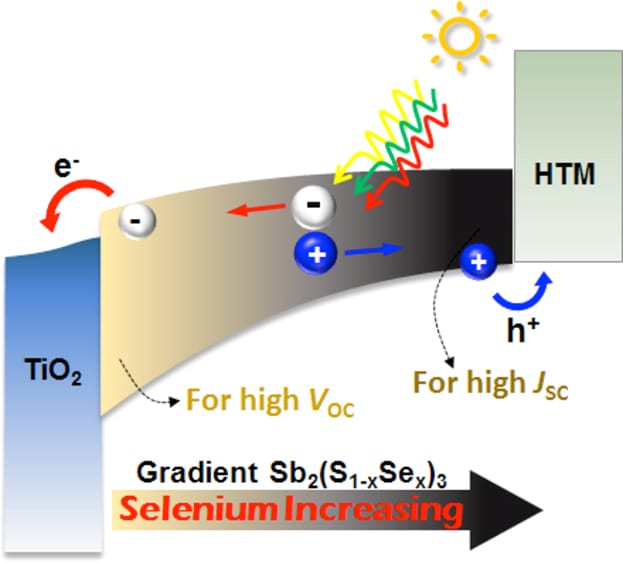
Highest power conversion efficiency achieved for planar heterojunction solar cells based on Selenium-Graded Sb2(S1−xSex)3.
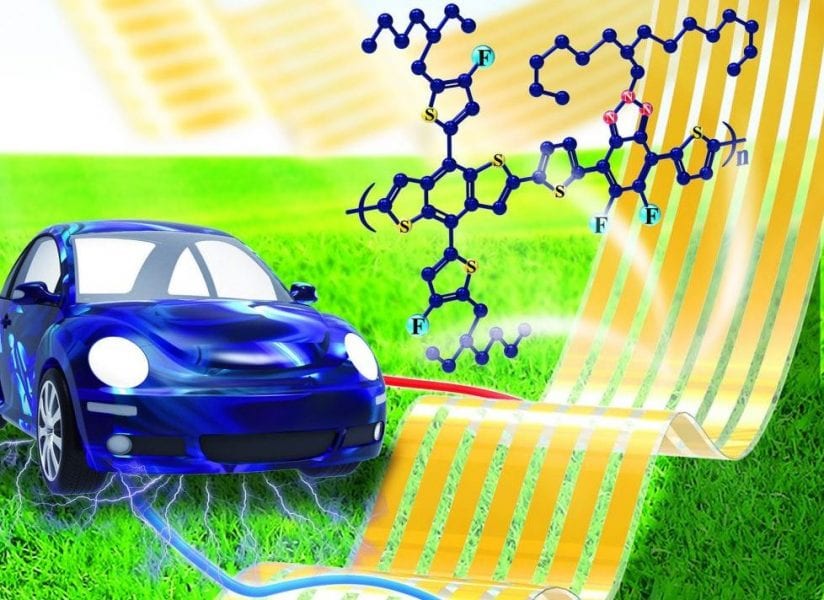
Novel highly efficient polymer solar cells show great promise for large-scale production.
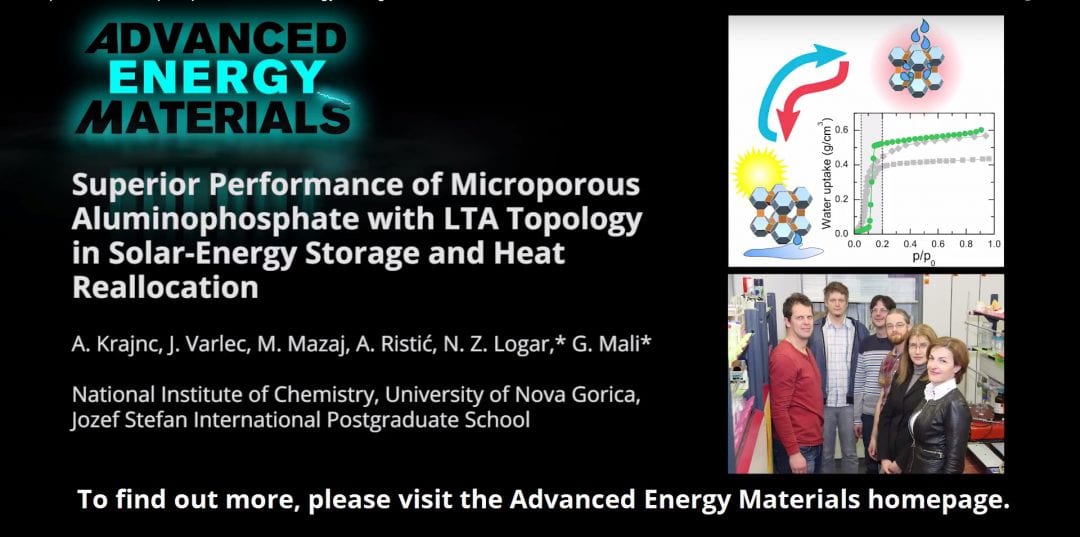
Andraž Krajnc, Nataša Zabukovec Logar, Gregor Mali, and co-workers present a new type of microporous aluminophosphate for high-density storage of solar energy or waste heat in Advanced Energy Materials.
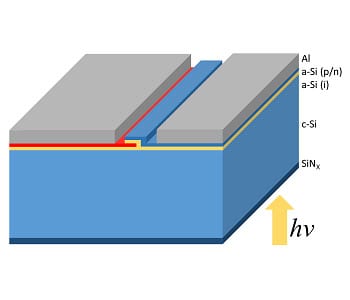
Replacing the commonly used ITO/Ag contact stack with aluminum allows for an increased efficiency and lower manufacturing costs of heterojunction solar cells.

A nanophotonic approach makes ultrathin CIGSe solar cells with high efficiencies possible.
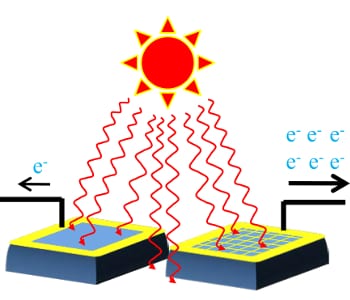
A new approach with the potential to overcome efficiency loss of solar cells.
 New theory suggests gravity is not a fundamental force
 Higgs boson may be driving the Universe’s expansion
 Water-powered gadgets may be on the horizon thanks to new evaporation-based energy device
 Scientists discover a new class of antibiotics
 Micron-sized hidden dimensions could solve two of physics’ deepest puzzles
 A new type of dark matter could explain mysterious radiation from the Milky Way’s core