New hydrogels from magnetic photonic crystal units combine the advantages of structural colour and the flexibility needed for biological applications.
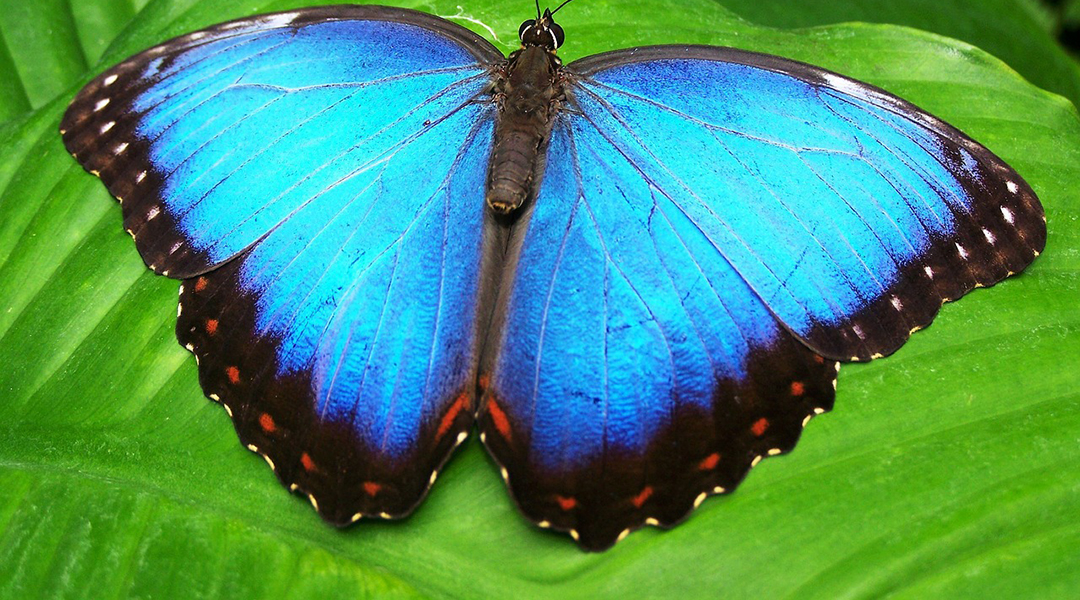

New hydrogels from magnetic photonic crystal units combine the advantages of structural colour and the flexibility needed for biological applications.
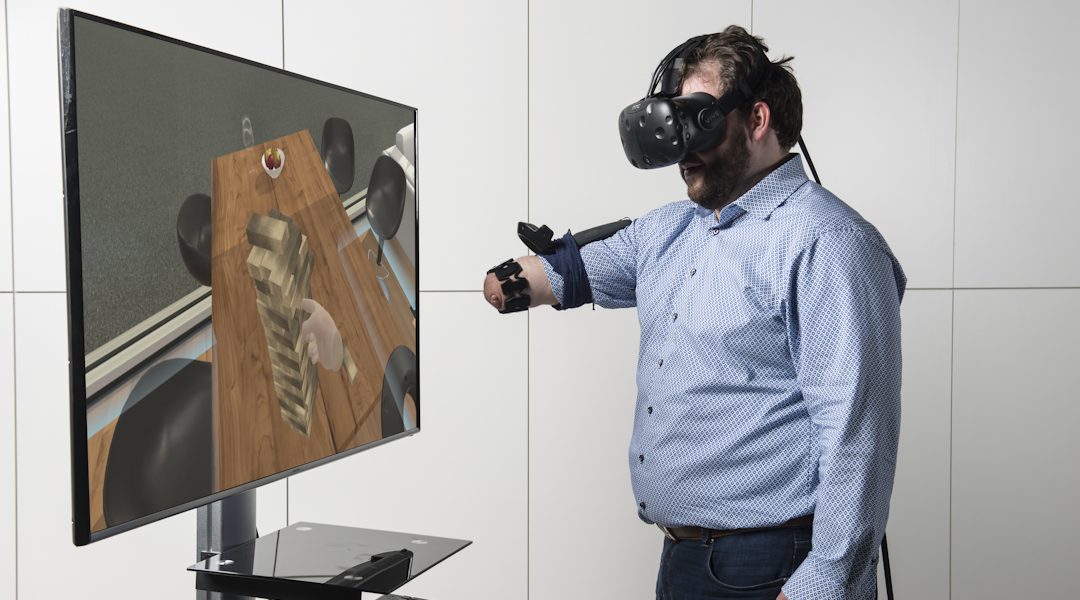
How can humans and the machines work together and mutually adapt to one another?
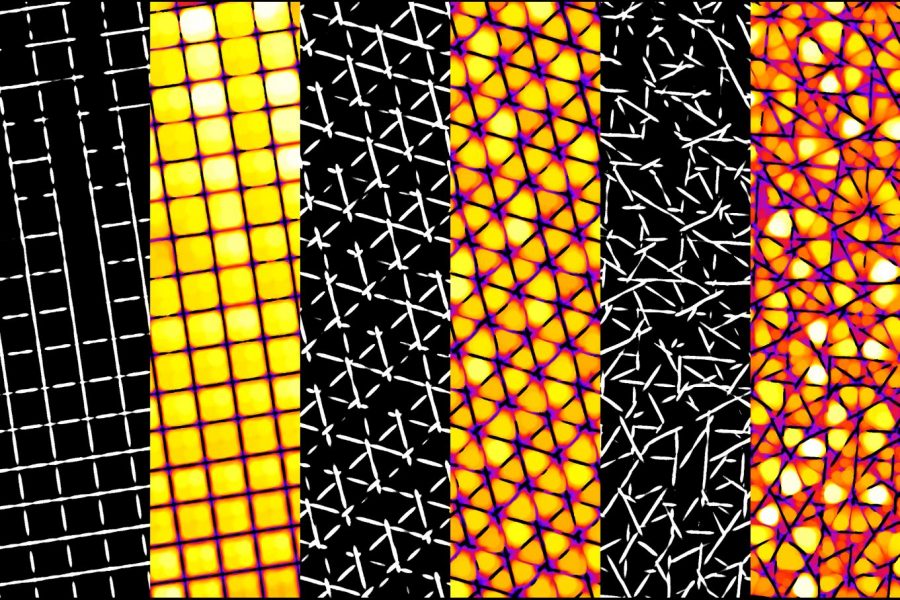
The latest advances and perspectives for the future of melt electrowriting (MEW) technology.

In this WIREs Water review, the authors appraise the effectiveness with which emerging technologies and tools can (or cannot) be used to semi-automate the geomorphic analysis of rivers.
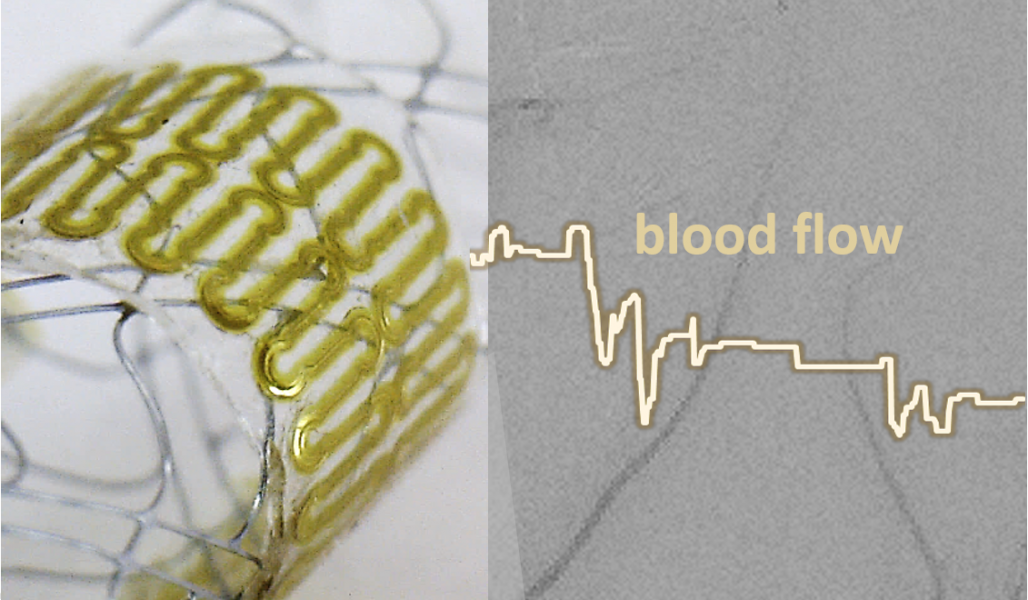
A fully printed, wireless, stretchable, implantable biosystem that offers batteryless, real-time monitoring of cerebral aneurysm hemodynamics is developed.
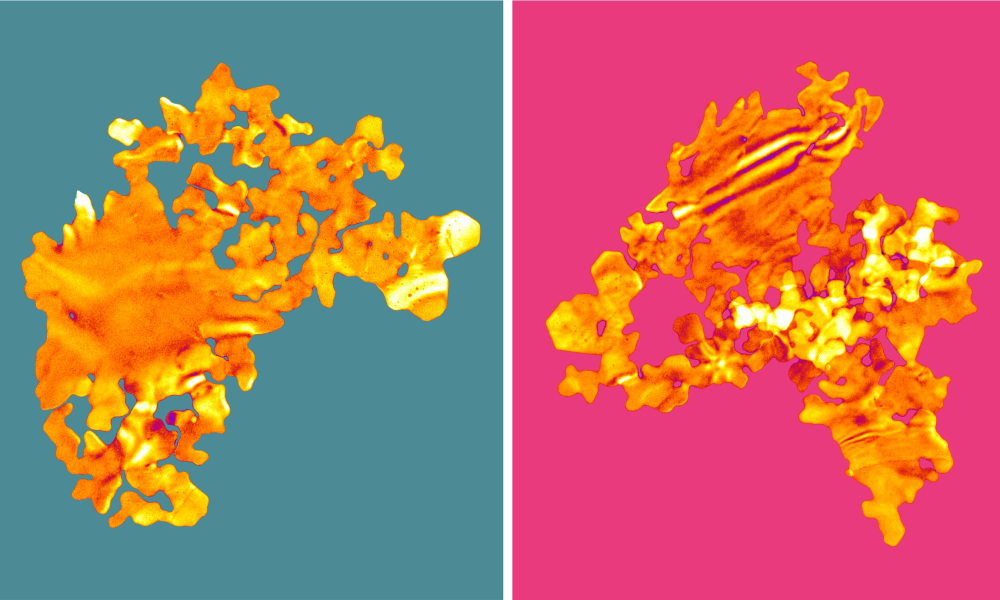
Gold “nanoseaweeds” exhibit high efficiency as heterogeneous nanocatalysts and peroxidase-mimicking nanoenzymes.
By exploiting the capabilities of 3D printing, high performance composite magnets can be precisely patterned into complex shapes and architectures.
Prof. Jungchul Lee reports a four degrees-of-freedom direct writing technique for liquid metal patterns.

Controlling microalgae production through wavelength and density of irradiating light.
Integration of a magnetic elastomer with data-driven analysis leads to a continuous interaction surface that can estimate location and depth of indentation.
 New theory suggests gravity is not a fundamental force
 Higgs boson may be driving the Universe’s expansion
 Water-powered gadgets may be on the horizon thanks to new evaporation-based energy device
 Scientists discover a new class of antibiotics
 Micron-sized hidden dimensions could solve two of physics’ deepest puzzles
 A new type of dark matter could explain mysterious radiation from the Milky Way’s core