Study shows that temperature changes have a smaller effect on transmission than policy interventions like lockdowns and social distancing.


Study shows that temperature changes have a smaller effect on transmission than policy interventions like lockdowns and social distancing.
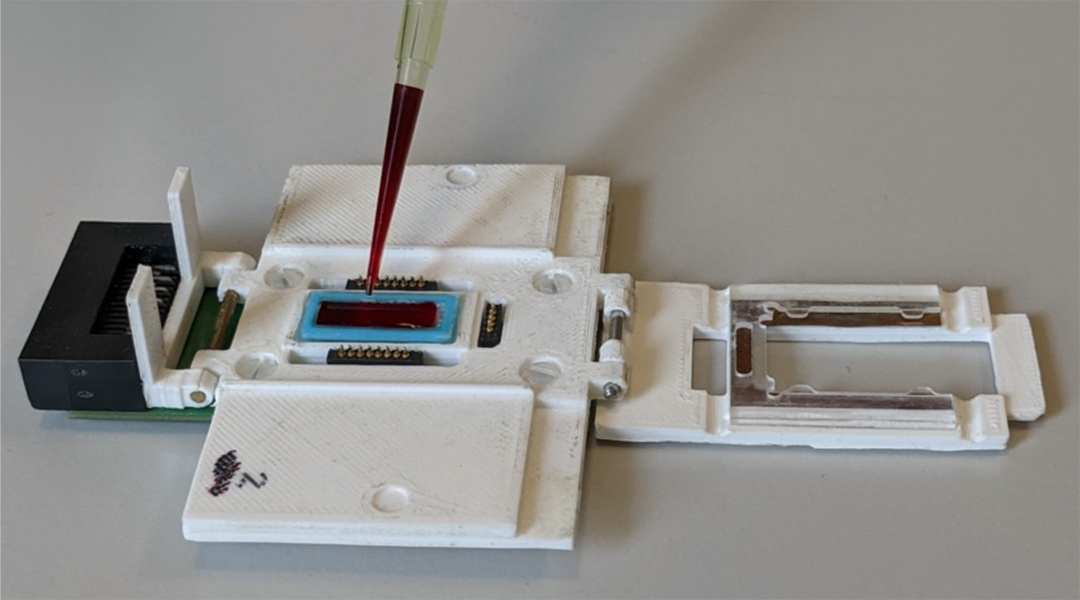
A new lab-on-chip technology enables the rapid and quantitative identification of malaria parasites in the blood for better and more accurate diagnosis in remote regions.

The Singapore-based materials scientist on her love for science, promoting gender equality in STEM, and how innovations in materials can propel advances in healthcare.
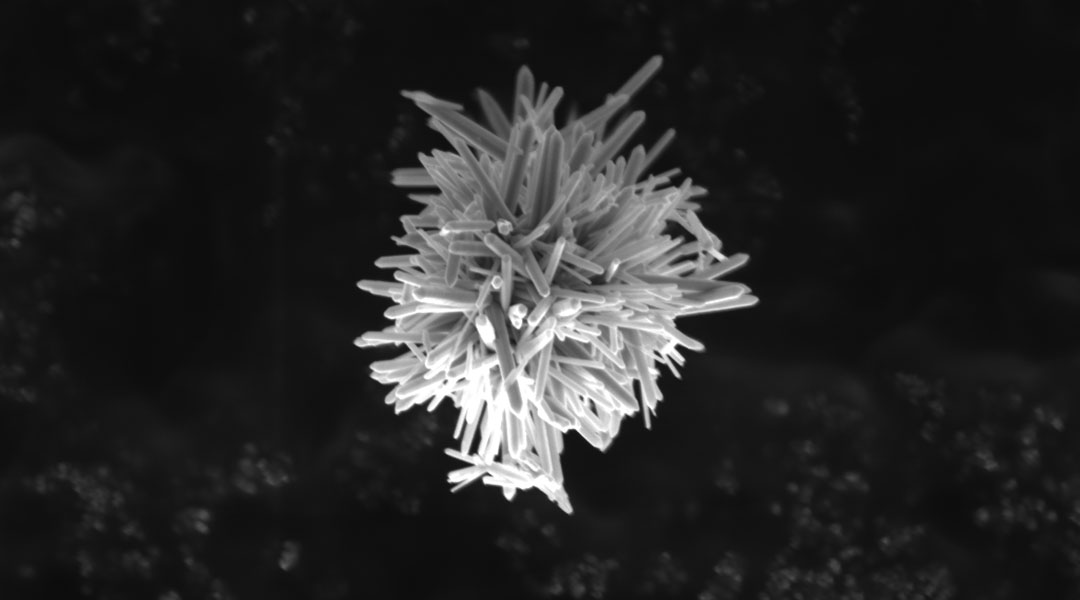
Bacteria-killing micromotors, microscopic patchworks, and DNA fibers decorated with self-made “smileys” — science has never looked better.
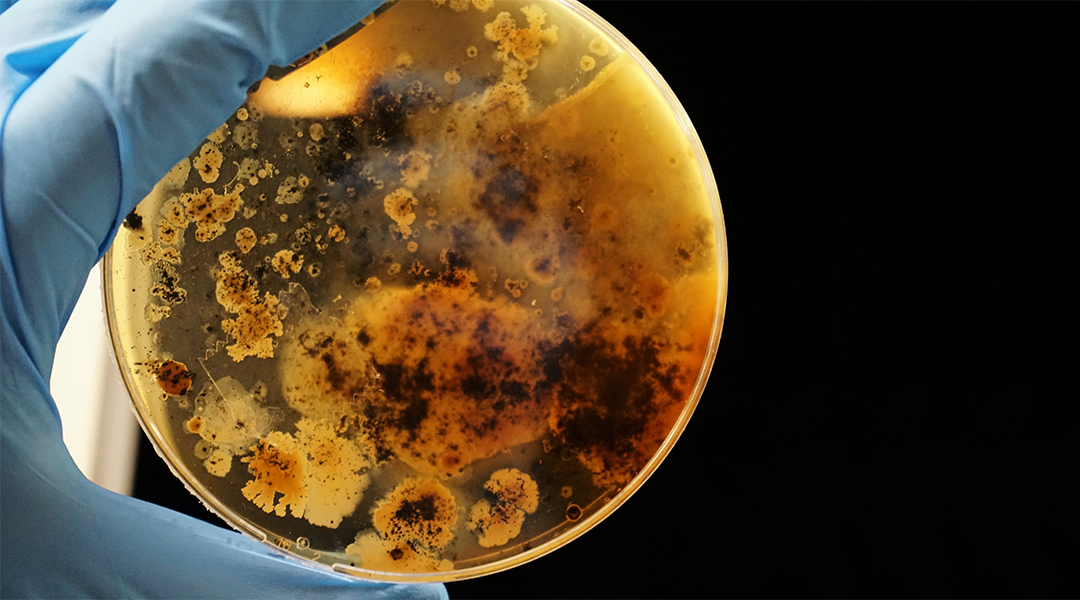
A team of scientists have created a cost-effective way to destroy bacterial biofilms, paving the way for advancements in everything from healthcare to utilities.
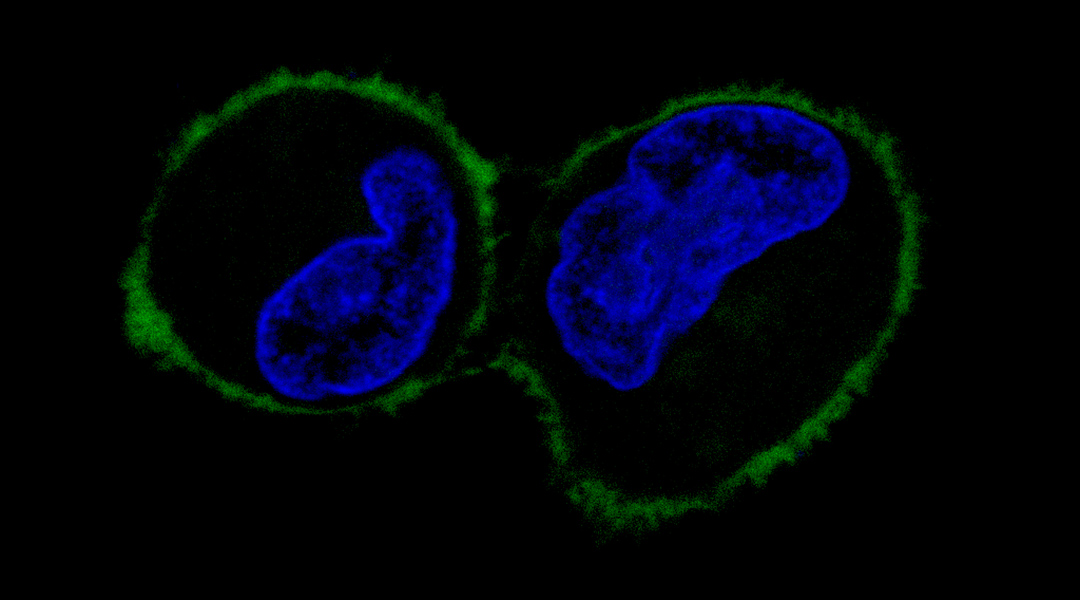
Polypeptides that selectively induce calcification of cancer cells could improve early detection and limit the progression of lung cancer.
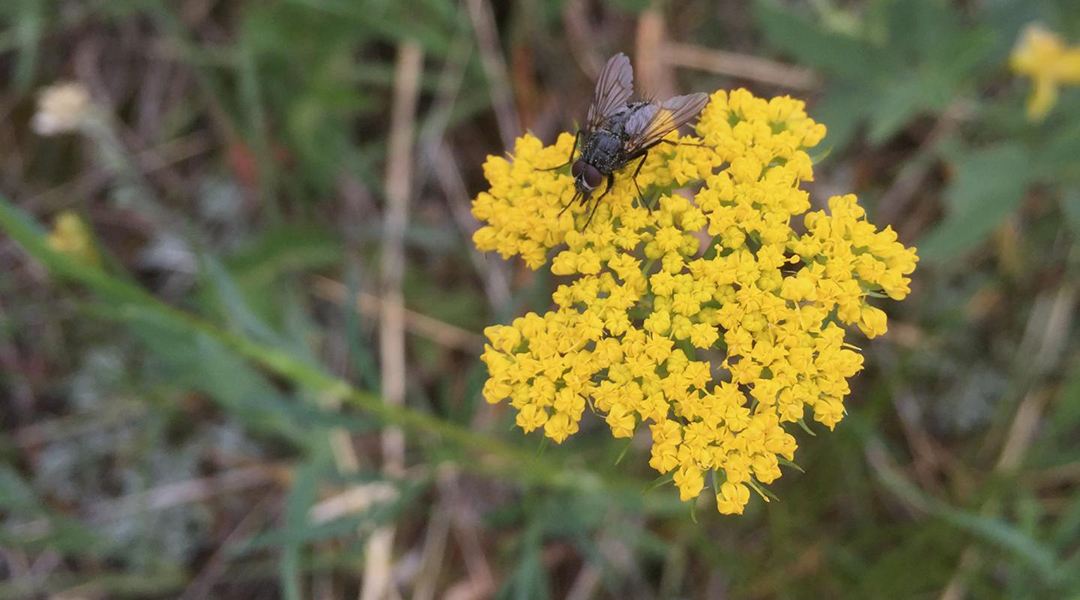
New study finds “generalist” plants and pollinators play a crucial role in maintaining biodiversity and may also serve as buffers against some impacts of climate change.
Assays using pseudoviruses have been indispensable in our efforts to halt the current pandemic.
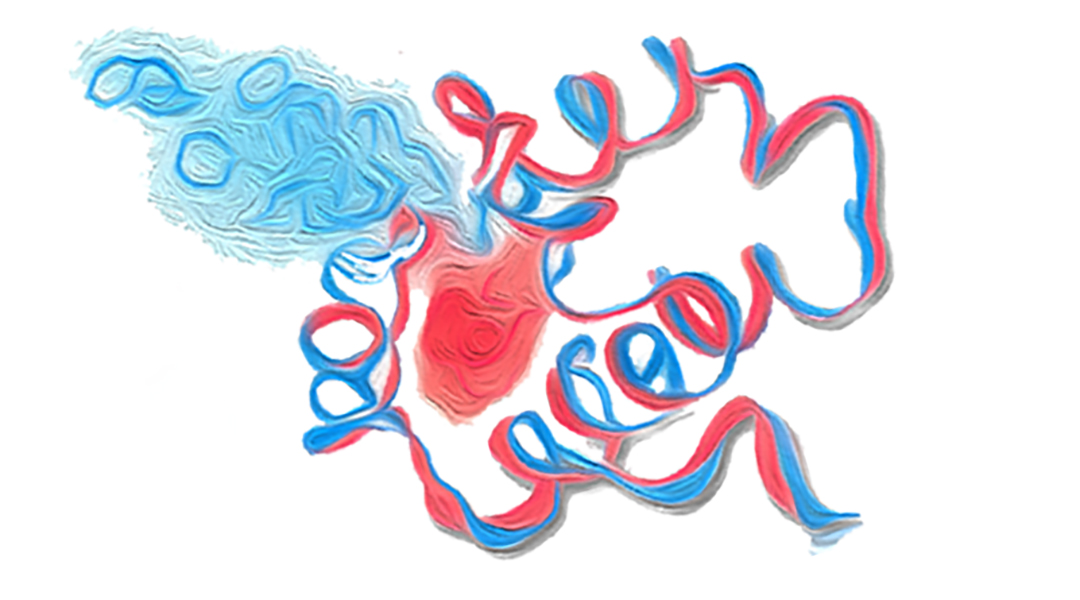
A new simulation technique accelerates modeling to help us better understand complex molecular processes and facilitate rational drug design.
A hydrogel loaded with drugs to simultaneously regenerate nerve tissues and blood supply shows promise for promoting recovery after spinal cord damage.
 New theory suggests gravity is not a fundamental force
 Higgs boson may be driving the Universe’s expansion
 Water-powered gadgets may be on the horizon thanks to new evaporation-based energy device
 Scientists discover a new class of antibiotics
 Micron-sized hidden dimensions could solve two of physics’ deepest puzzles
 A new type of dark matter could explain mysterious radiation from the Milky Way’s core