In their review in BioEssays, Eugene Koonin and Feng Zhang discuss the different outcomes when prokaryotes are infected by a virus.
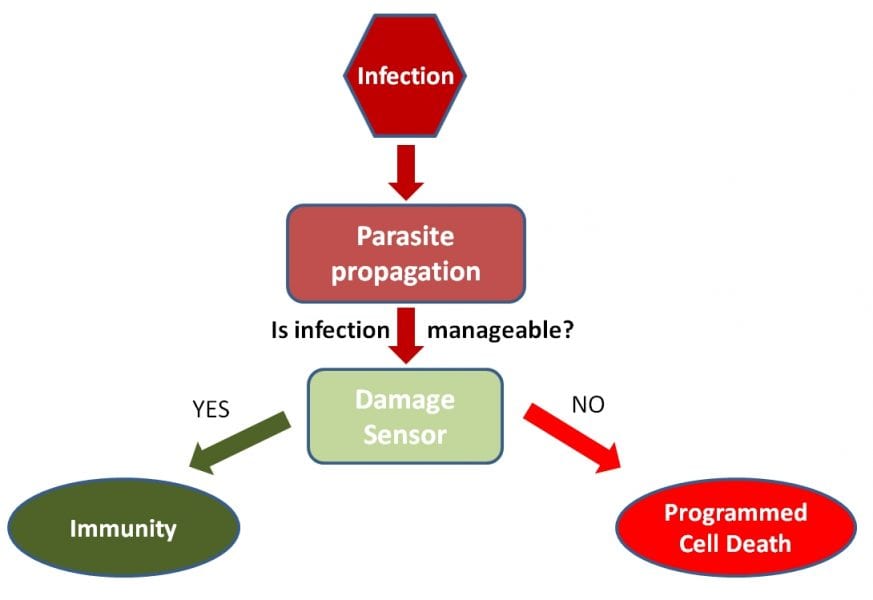

In their review in BioEssays, Eugene Koonin and Feng Zhang discuss the different outcomes when prokaryotes are infected by a virus.

A recent report explores the pro- or anti-inflammatory effects of caffeine to gain a better understanding of the potential effects of coffee consumption on inflammation.
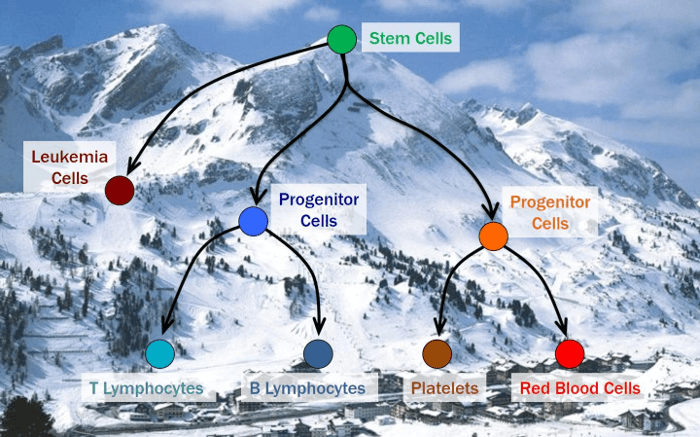
Scientists have established comprehensive maps of the human epigenome, shedding light on how the body regulates which genes are active in which cells.
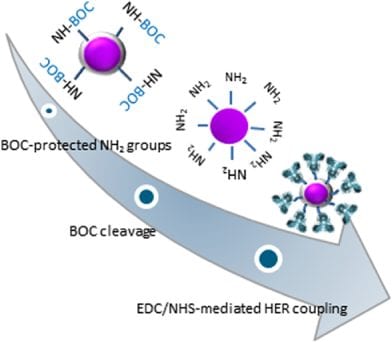
A novel method for preparing biodegradable polyurethane nanoparticles that will actively recognize cancer cells.
A promising approach for watching cell signaling processes in their physiological context.
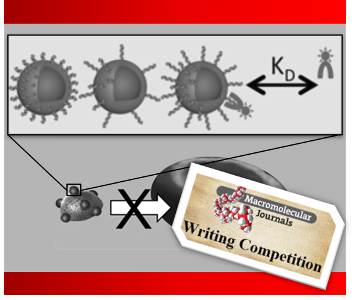
Nanoscale vesicles made from different block copolymers and functionalized with heparin represent a new design concept for polymer-based nanomimics.
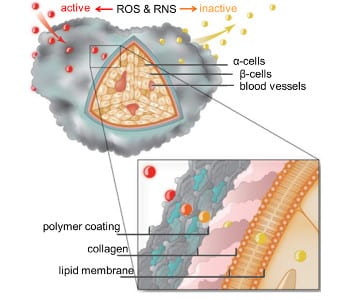
Researchers develop a nanothin anti-inflammatory polymer material capable of decreasing immune responses involved in insulin-cell transplantation rejection.
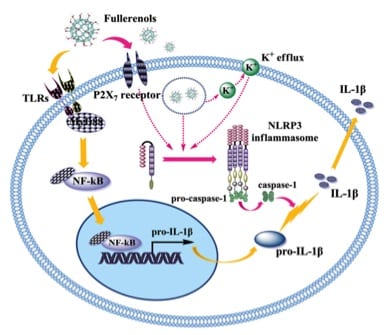
Prof. Chunying Chen and her colleagues from the National Center for Nanoscience and Technology, China demonstrate that polyhydroxylated metallofullerenol can activate primary mouse macrophages to produce pro-inflammatory cytokines.
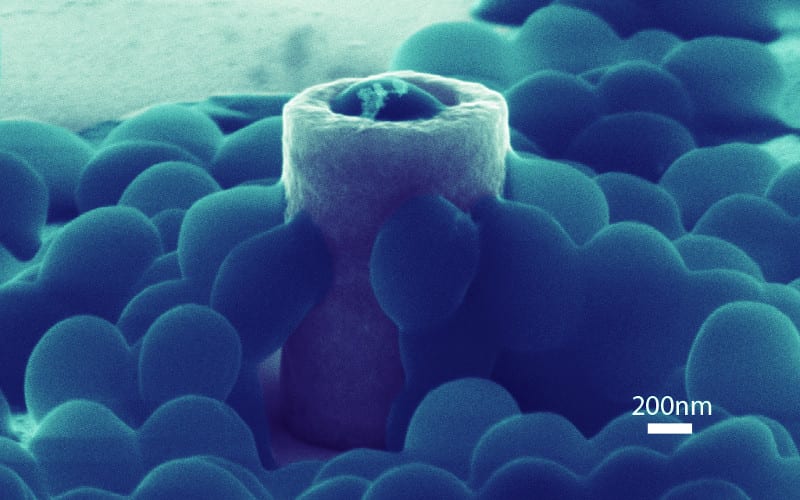
Berkeley Lab-led research could guide the development of bacteria-resistant materials.

Professor Bengt Fadeel of Stockholm’s Karolinska Institutet reviews Nanomaterials for Medical Applications by Zoraida Aguilar.
 New theory suggests gravity is not a fundamental force
 Higgs boson may be driving the Universe’s expansion
 Water-powered gadgets may be on the horizon thanks to new evaporation-based energy device
 Scientists discover a new class of antibiotics
 Micron-sized hidden dimensions could solve two of physics’ deepest puzzles
 A new type of dark matter could explain mysterious radiation from the Milky Way’s core