Research teams from the UK have isolated antibodies preserved for 800 years in ancient teeth and found they are still able to bind viruses that infect humans today.
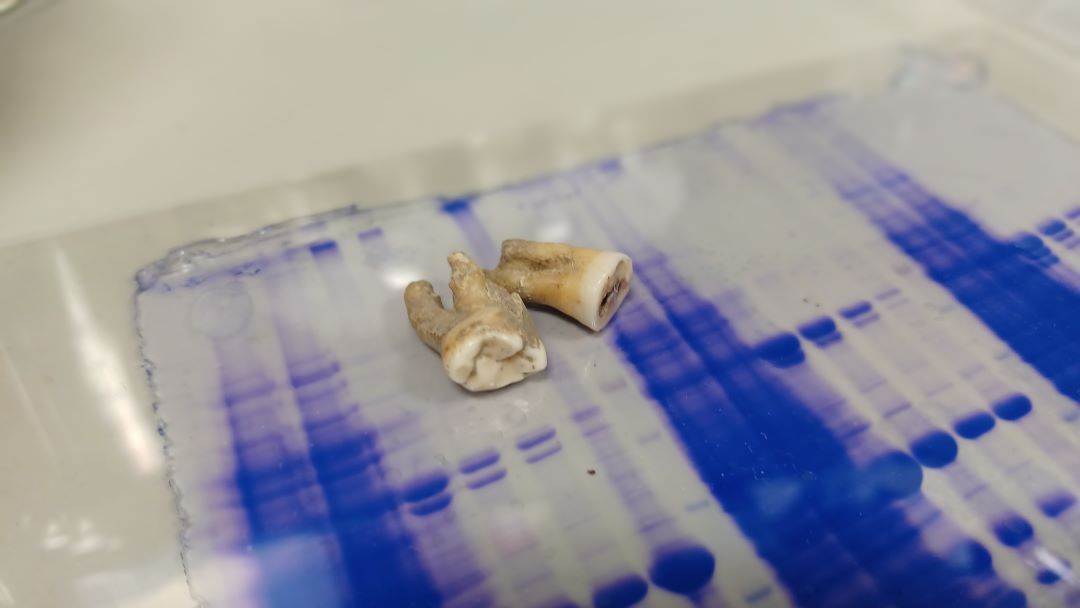

Research teams from the UK have isolated antibodies preserved for 800 years in ancient teeth and found they are still able to bind viruses that infect humans today.

Called chronotherapy, scientists believe that a whole field of medicine with the potential for more effective treatment could potentially lie at our fingertips.
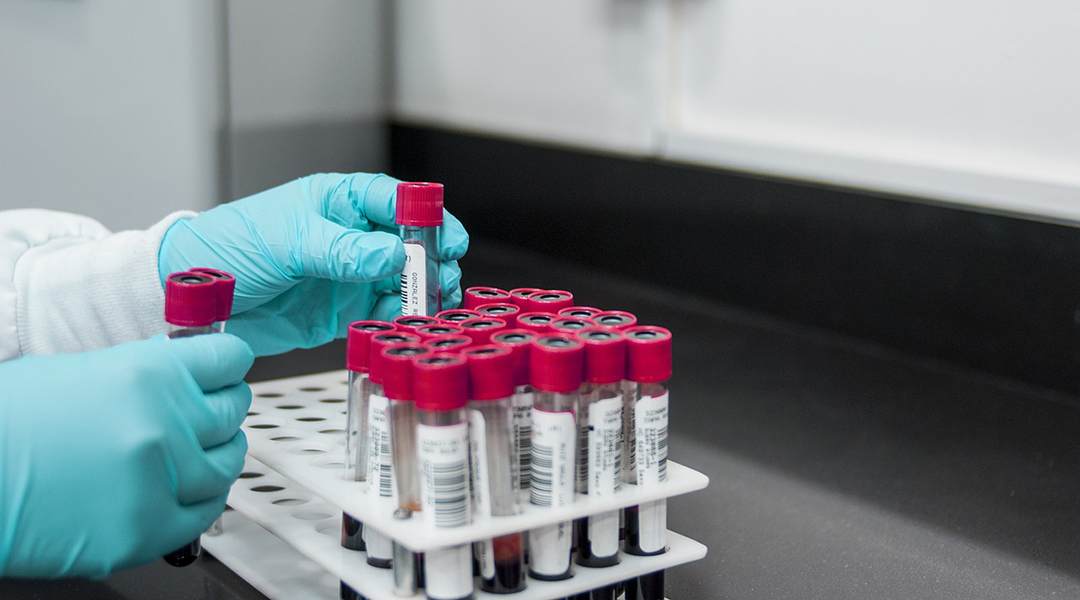
Scientists are hopeful that a new, more sensitive test for detecting ovarian cancer might provide better options, especially for patients with BRCA genes.
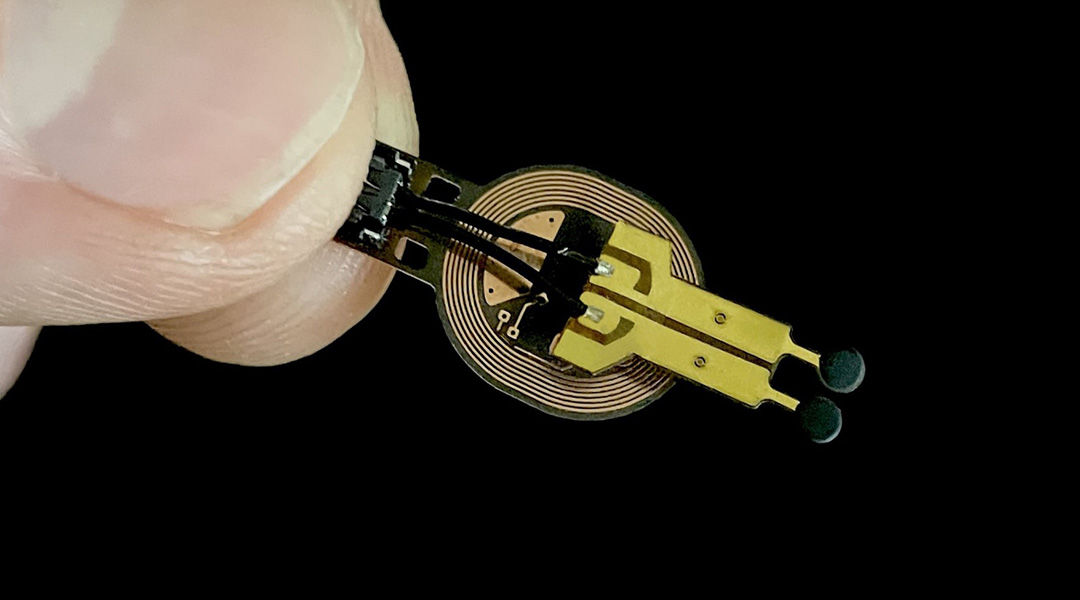
Scientists develop a sensor that predicts wound healing rate with more than 70% accuracy.
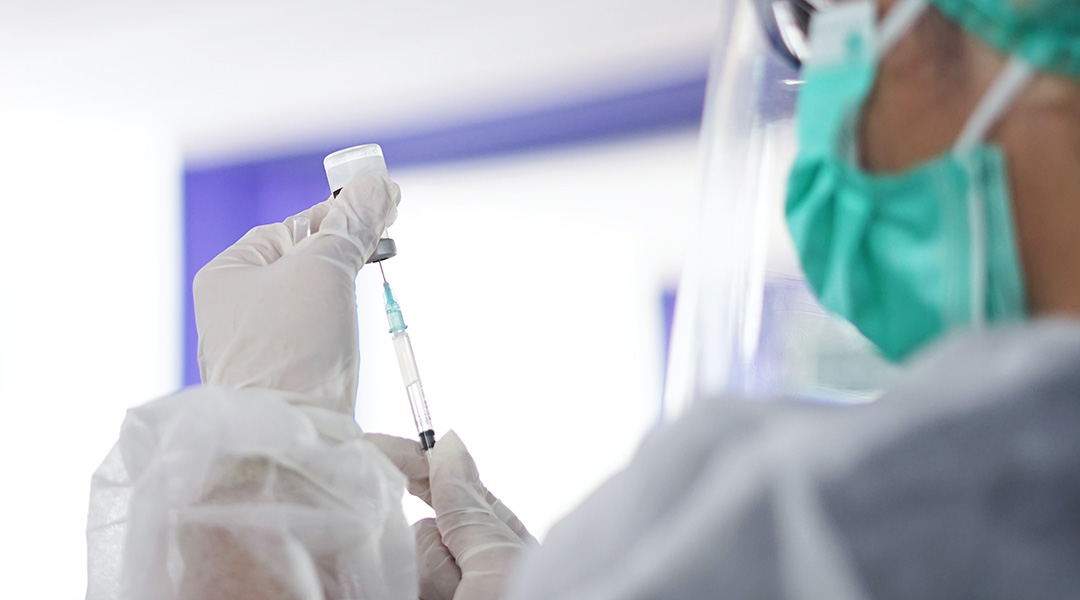
A hydrogel delivery system boosts single-dose efficacy and provides a potential tool to fight future pandemics and vaccine inequity.

Scientists are delving into the future of hair loss treatments, from macromolecules to laser therapies and CRISPR gene editing.
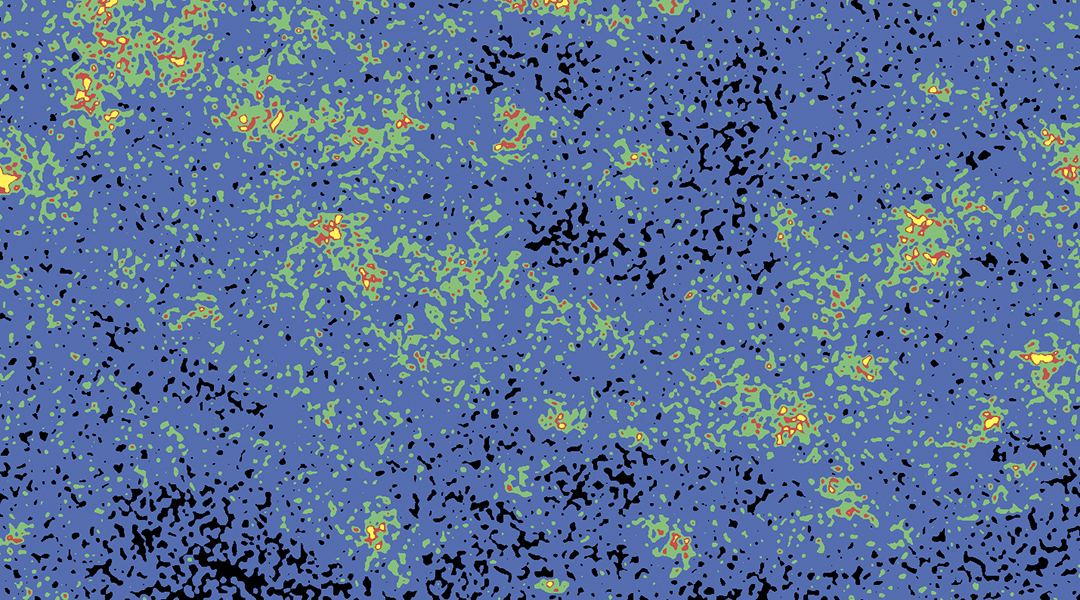
Catalysts that mimic antioxidase enzymes show promise in treating inflammatory diseases, such as gum disease, lupus, or cancer.
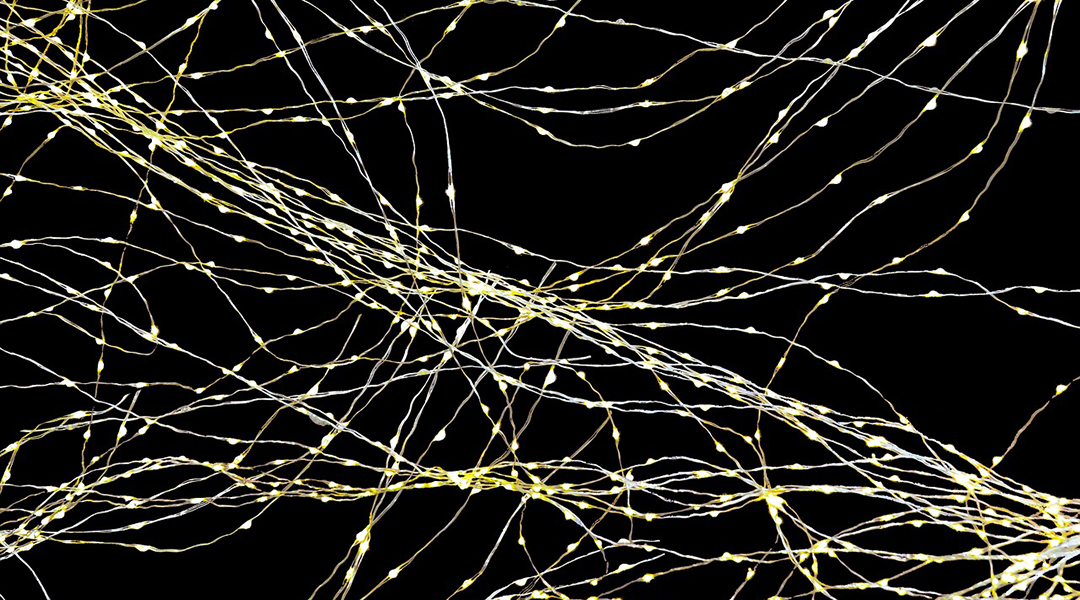
An implantable hybrid device combines the benefits of two therapeutic approaches to help repair nerve damage.
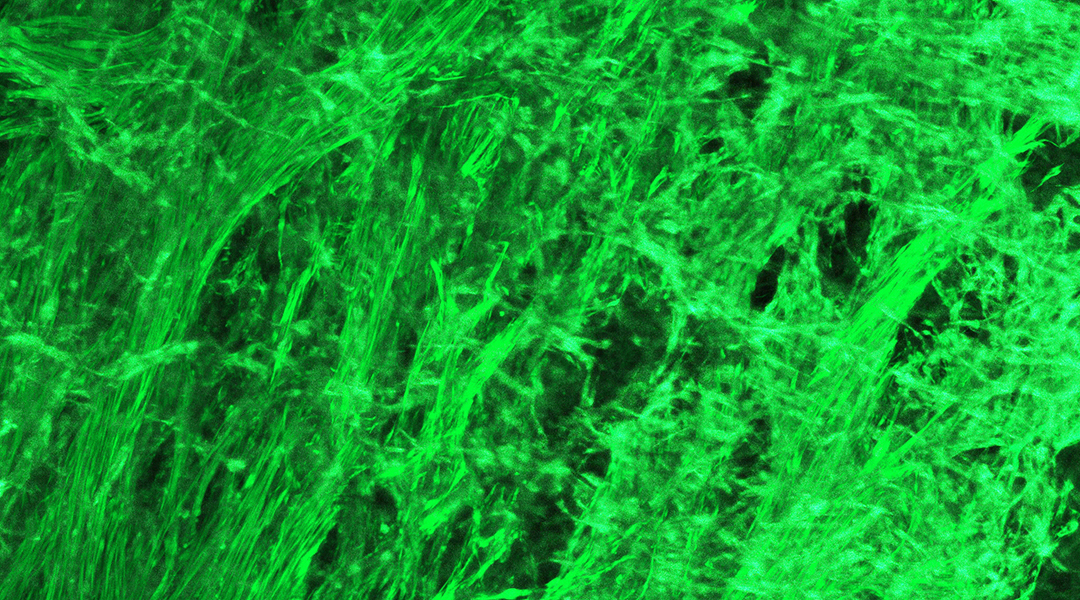
Engineered tissue mimics the contractions of the small intestine to break down artificial materials simulating partially digested food.

The infant microbiome can be built from a dizzying array of different sources.
 New theory suggests gravity is not a fundamental force
 Higgs boson may be driving the Universe’s expansion
 Water-powered gadgets may be on the horizon thanks to new evaporation-based energy device
 Scientists discover a new class of antibiotics
 Micron-sized hidden dimensions could solve two of physics’ deepest puzzles
 A new type of dark matter could explain mysterious radiation from the Milky Way’s core