Scientists pave way for nanobots to one day diagnose and treat disease with the first DNA-based motor to run on chemical energy.
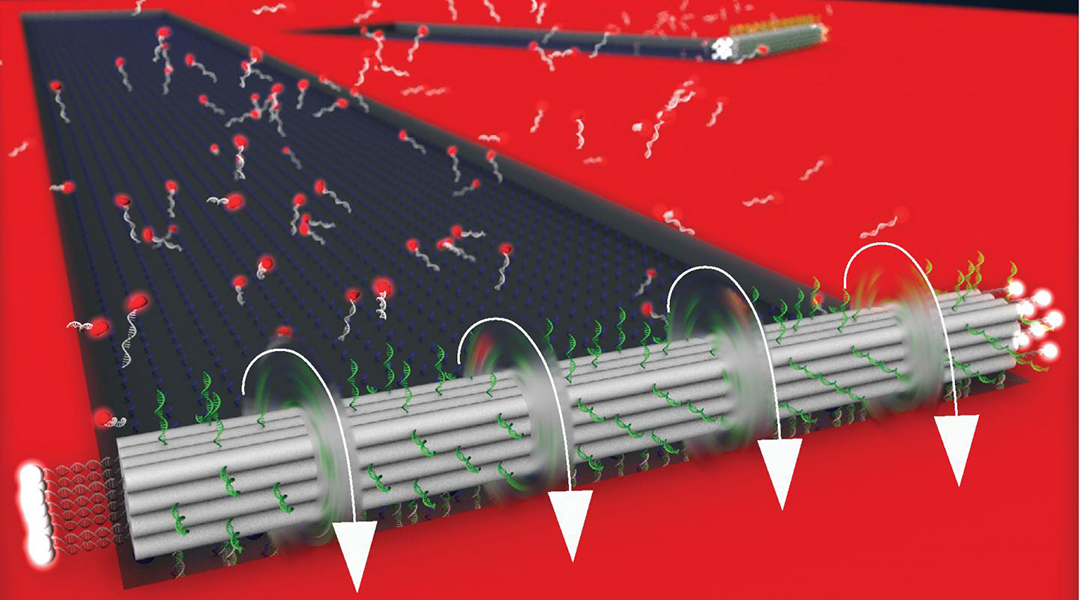

Scientists pave way for nanobots to one day diagnose and treat disease with the first DNA-based motor to run on chemical energy.

A wireless acoustic sensor that can be worn over fur could be especially useful for monitoring the vital stats of working animals such as sniffer dogs.
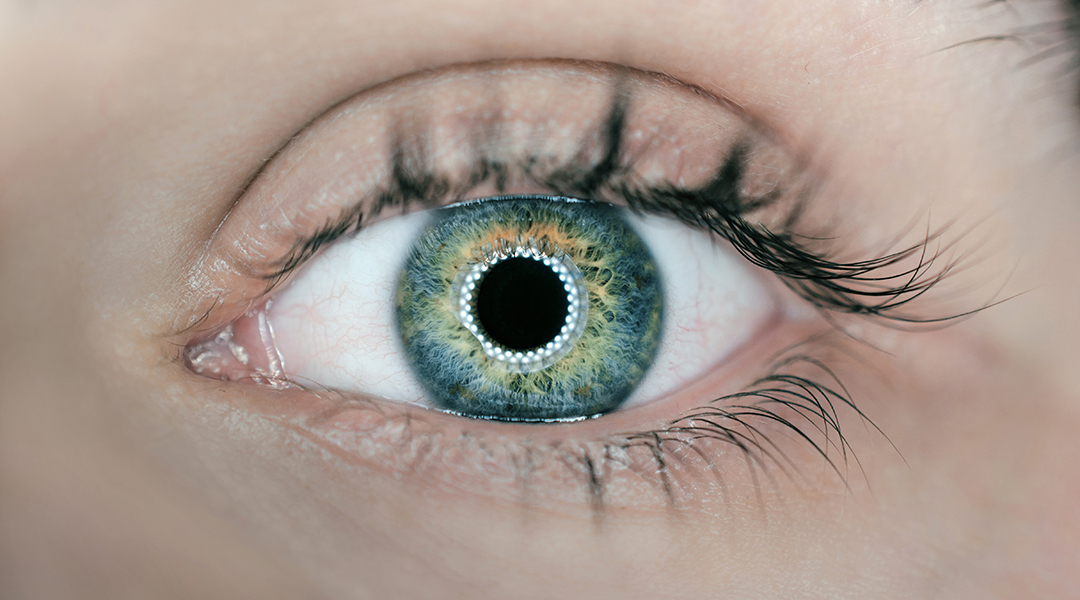
Smart contact lenses could revolutionize the way in which we monitor brain activity and diagnose neurological diseases.
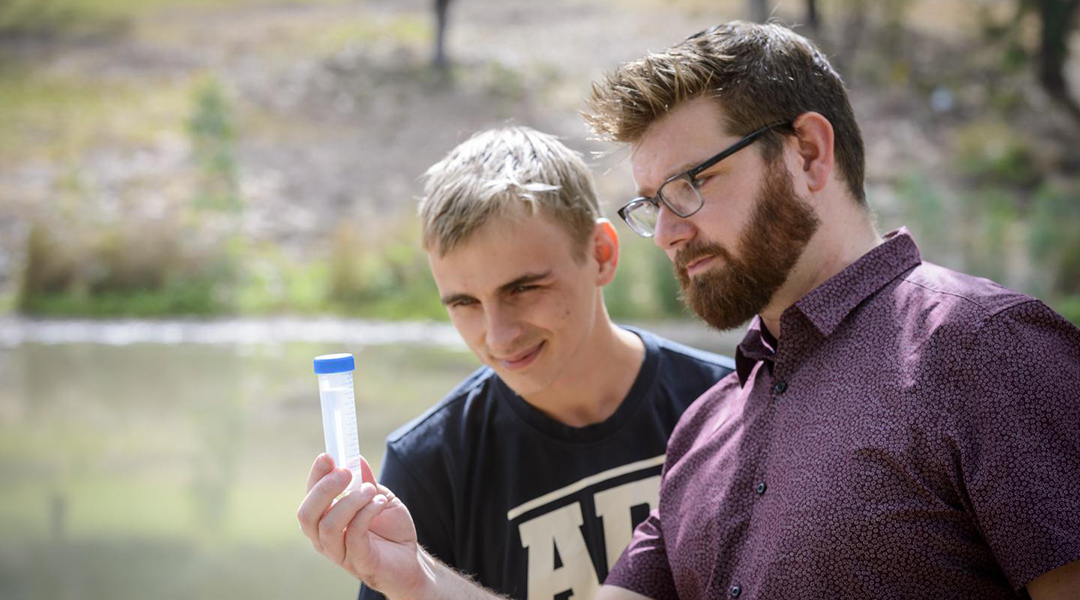
A new class of polymers to clean up mercury pollution that can be produced sustainably on a large scale from elemental sulfur and renewable plant oils.

For the UK to make headway with its ambitious Absolute Zero plan, it calls for an administration that understands the subject and what is needed for its success.
UCF researchers develop a device that mimics brain cells used for human vision. The invention may help to one day make robots that can think like humans.

How do brown dwarves form, and in what parts of the galaxy?
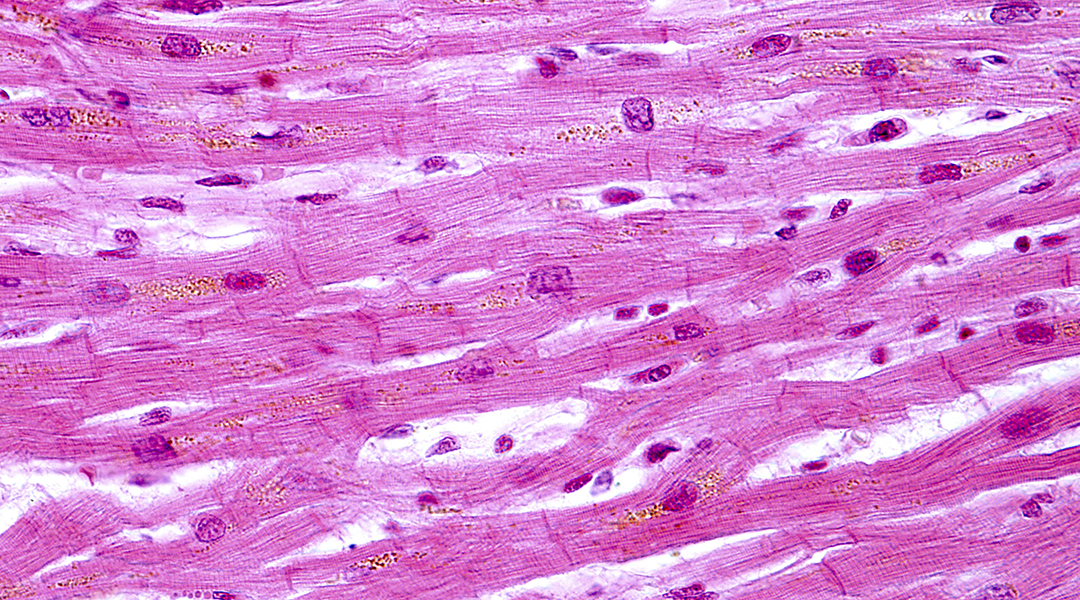
Researchers develop a cell-free cardiac patch to help heart tissue recover after a heart attack.

NASA scientists using virtual reality technology are redefining our understanding about how our galaxy works.
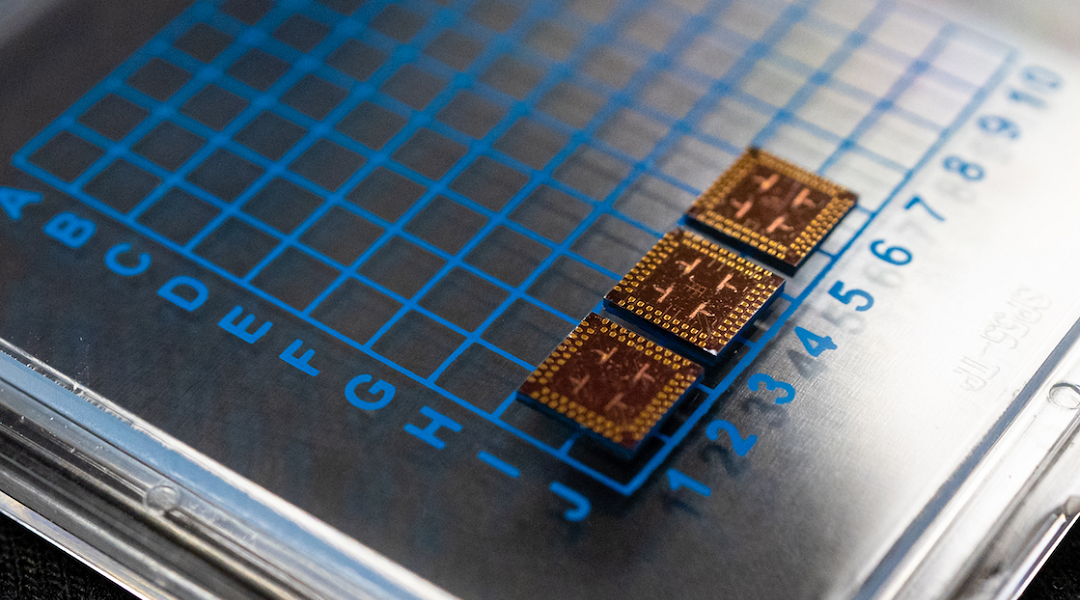
Scientists developed cryogenic memory cells that could be orders of magnitude faster than existing memories while consuming very little power.

 Micron-sized hidden dimensions could solve two of physics’ deepest puzzles
 Turning Periods into Power: Menstrual Blood a Valuable Resource for Medical Diagnostics
 Surfactants Steer Supraparticle Structure
 Bone loss in obesity traced to gut microbiota
 Edible electronics realize safe, complex monitoring devices
 Fermilab Confirms Muon g-2 Measurements