Intercellular communication may provide a mechanism to exploit and buffer cell-to-cell variability.
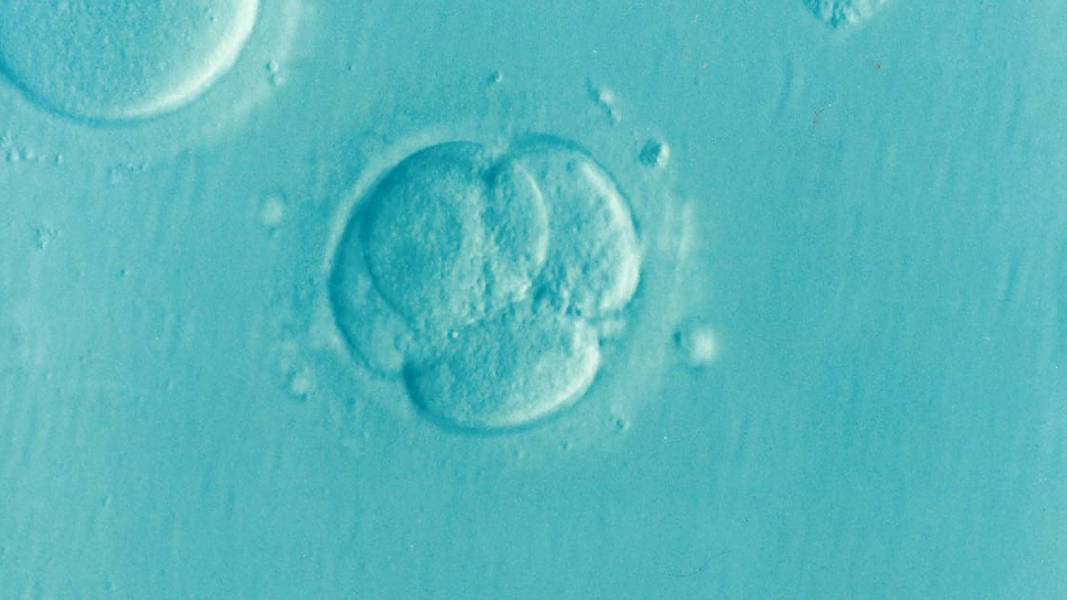

Intercellular communication may provide a mechanism to exploit and buffer cell-to-cell variability.
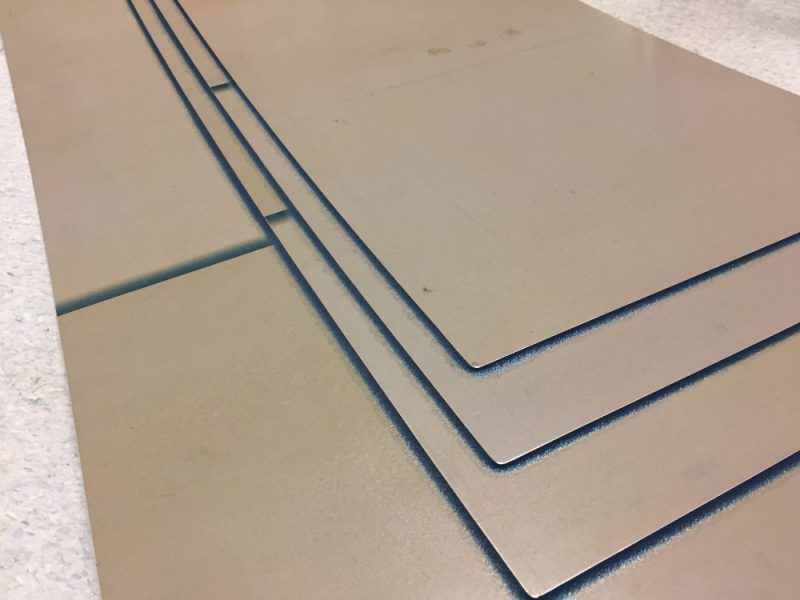
To increase the structural efficiency of composite aircraft requires further optimization of aeronautical structures to maximally exploit the material performance.
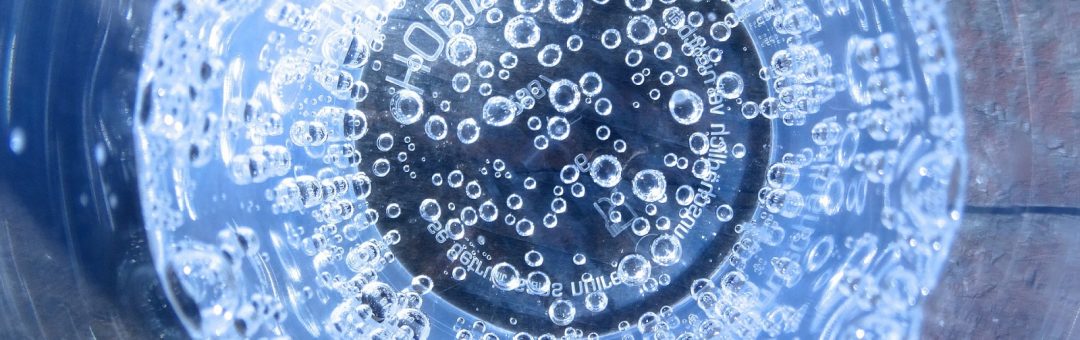
Scientists discover a way to harvest fresh water from air, also in arid regions.
![New Ways to Structure Clinically Approved Hydrogels [Video]](https://www.advancedsciencenews.com/wp-content/uploads/2018/03/adma201705013_ASN_image.jpg)
Clinically approved hydrogels can be structured across multiple length scales to generate materials with a variety of new physical properties.
![3D e-Whiskers for Complex Sensing Applications [Video]](https://www.advancedsciencenews.com/wp-content/uploads/2018/03/adma201706733_ASN_image.png)
A scalable method for fabricating electronic whiskers (e-whiskers)—a class of electronic skin—for sensing a variety of external stimuli, including proximity, texture mapping, surface roughness, material stiffness, force, and temperature.
Various approaches for converting CO2 and H2O to liquid hydrocarbons using solar energy involve electro/photo/thermochemical catalytic processes and combinations thereof exist.

Imagine a scenario where CO2 greenhouse gas emissions could be used to desalinate briny water. This would be a creative way of killing two birds with one stone, namely helping to ameliorate global-warming-induced climate change and producing high quality water for agriculture and drinking purposes.
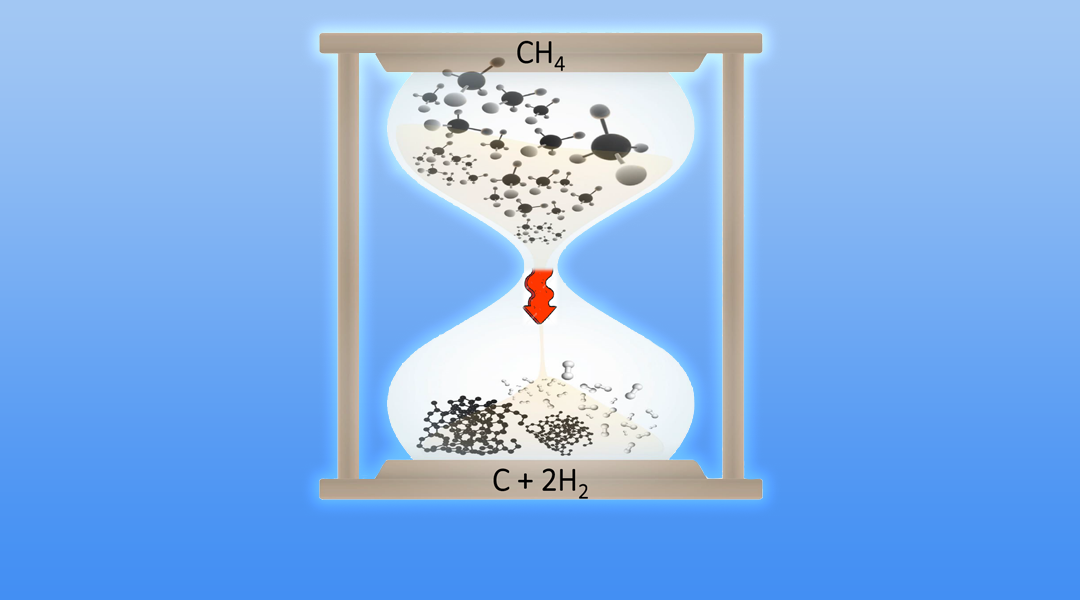
A fascinating approach for utilizing the chemical energy contained in the carbon–hydrogen bonds of methane without the co-production of carbon dioxide in the combustion process is discussed.
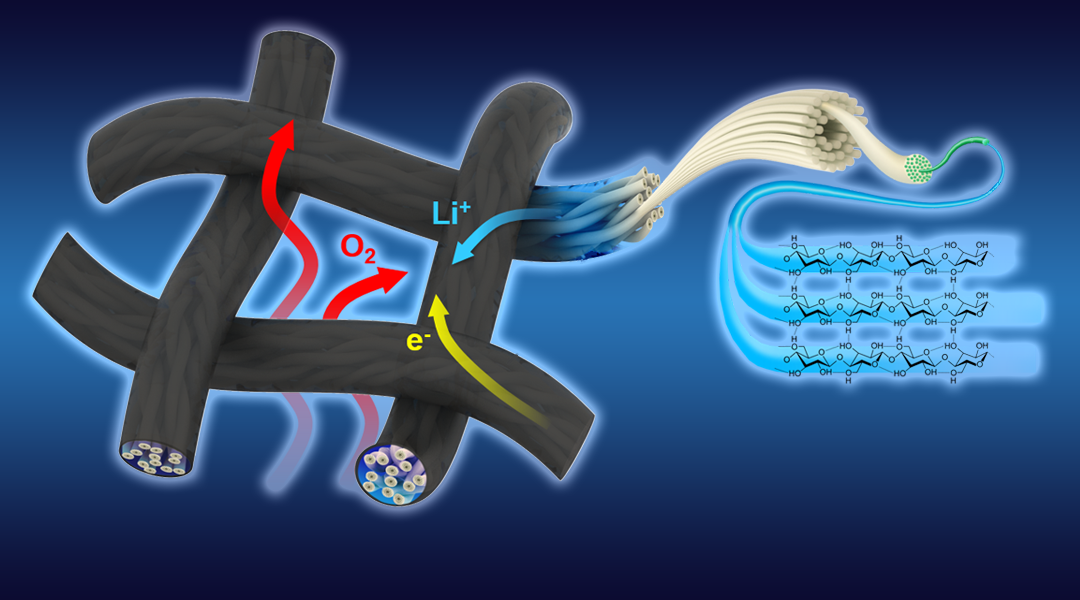
A novel flexible textile-based cathode with a unique triple-phased structure is presented, that shows improved non-competitive transport properties.

A hybrid thermochromic window coating with excellent visible transmittance and thermochromic performance at room temperature, opens new directions in plasmonic coatings.
 Micron-sized hidden dimensions could solve two of physics’ deepest puzzles
 Turning Periods into Power: Menstrual Blood a Valuable Resource for Medical Diagnostics
 Surfactants Steer Supraparticle Structure
 Bone loss in obesity traced to gut microbiota
 Edible electronics realize safe, complex monitoring devices
 Quantum Anomalies in Condensed Matter: From Theoretical Peculiarities to Tangible Science