A robotic swimmer that mimics the movement of octopuses could help researchers better monitor aquatic environments remotely and in real time.
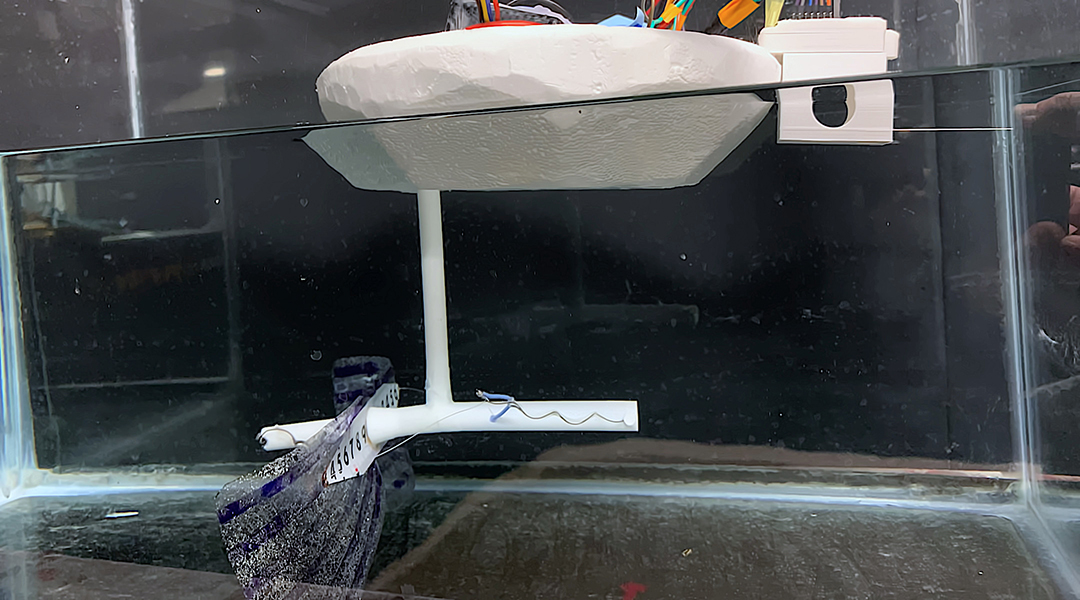

A robotic swimmer that mimics the movement of octopuses could help researchers better monitor aquatic environments remotely and in real time.
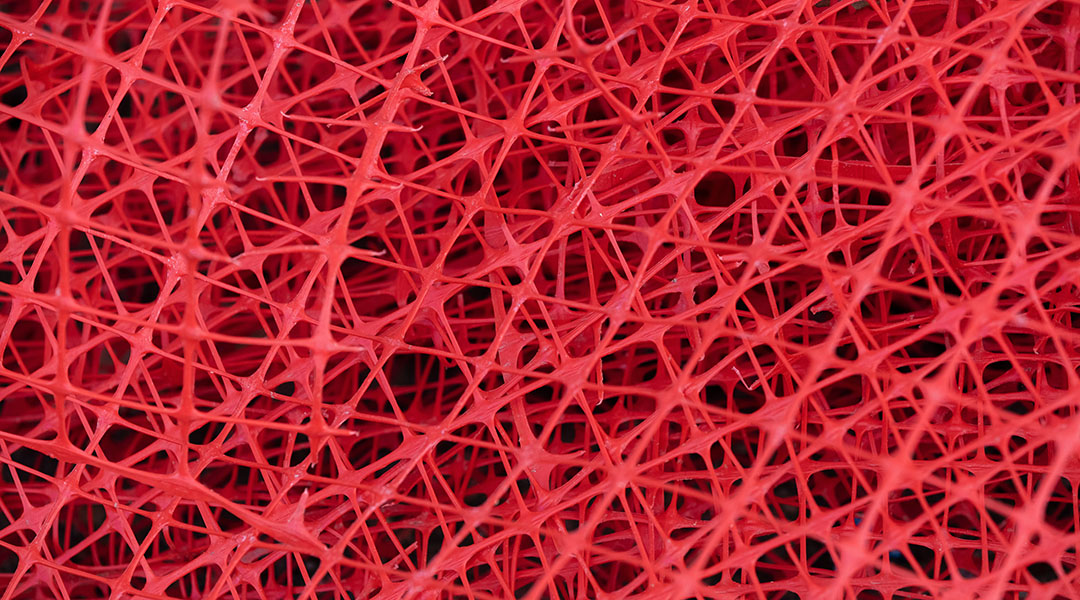
While AI has proven itself to be extremely capable in discerning optimal chemical structures, synthetic feasibility remains a challenge.
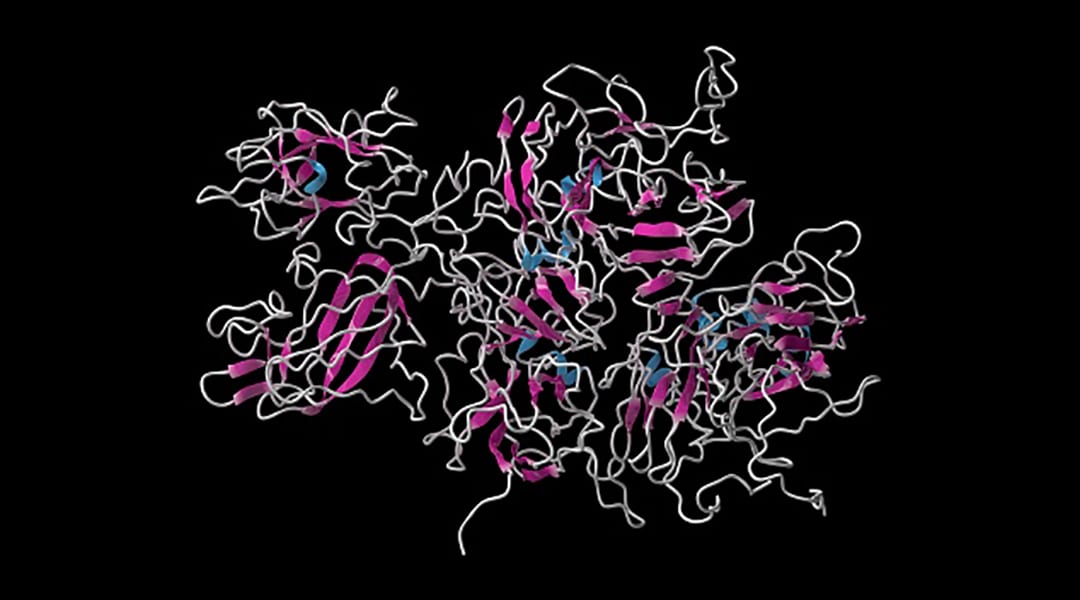
Using their deep-learning program, AlphaFold, researchers predict the 3D structure of proteins using only their linear amino acid sequence, revolutionizing computational biology as we know it.
Simulations at Graz University of Technology refute earlier theories on long-range charge transfer between organic and inorganic materials.

With a lack of motivation and determination, can this switch to online learning be beneficial for students? Three perspectives provide insight into learning during a pandemic.
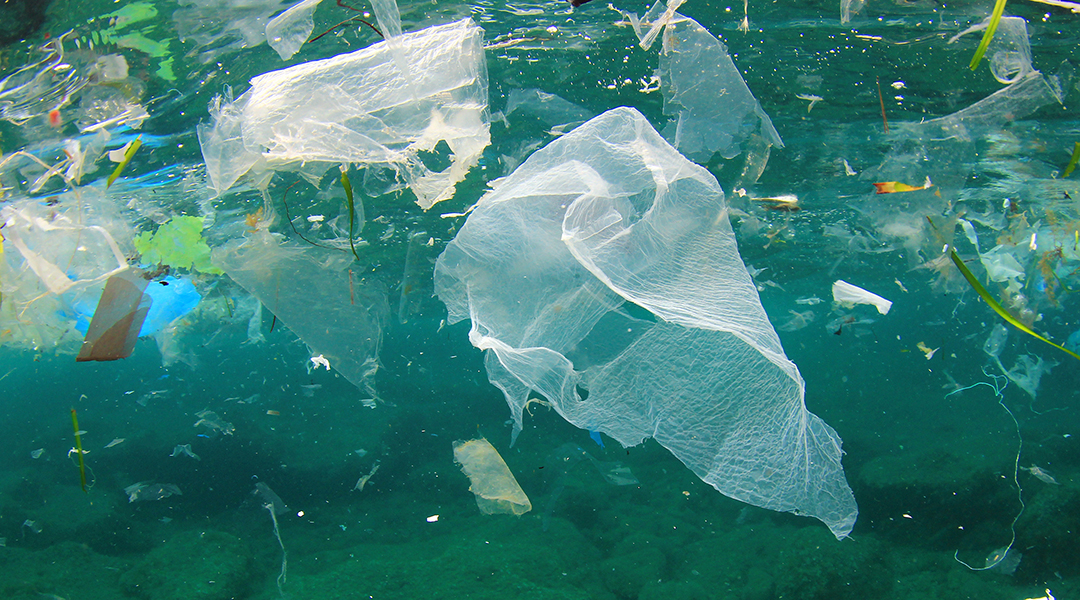
A new approach combines 3D coherent imaging with machine learning to detect microscale microplastics in filtered water samples.
By combining two types of memory arrays, researchers can accelerate image recognition for more efficient machine learning.
A new machine learning algorithm that can predict battery performance and failure beyond the expert level.
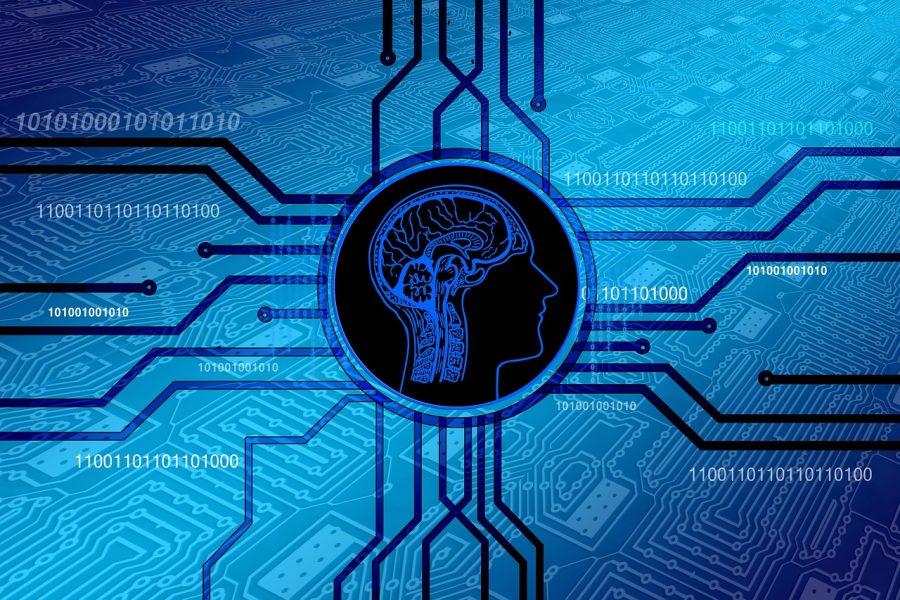
Machine Learning (ML) is a well‐known paradigm that refers to the ability of systems to learn a specific task from the data and aims to develop computer algorithms that improve with experience.

Climate scientists leverage AI to enhance predictions of Arctic sea ice loss, using deep learning to address the urgency of climate change.
 New theory suggests gravity is not a fundamental force
 Higgs boson may be driving the Universe’s expansion
 Water-powered gadgets may be on the horizon thanks to new evaporation-based energy device
 Scientists discover a new class of antibiotics
 Micron-sized hidden dimensions could solve two of physics’ deepest puzzles
 A new type of dark matter could explain mysterious radiation from the Milky Way’s core