New study finds coronaviruses are masters of mimicry, reproducing their host’s immune proteins to remain invisible and help promote infection.
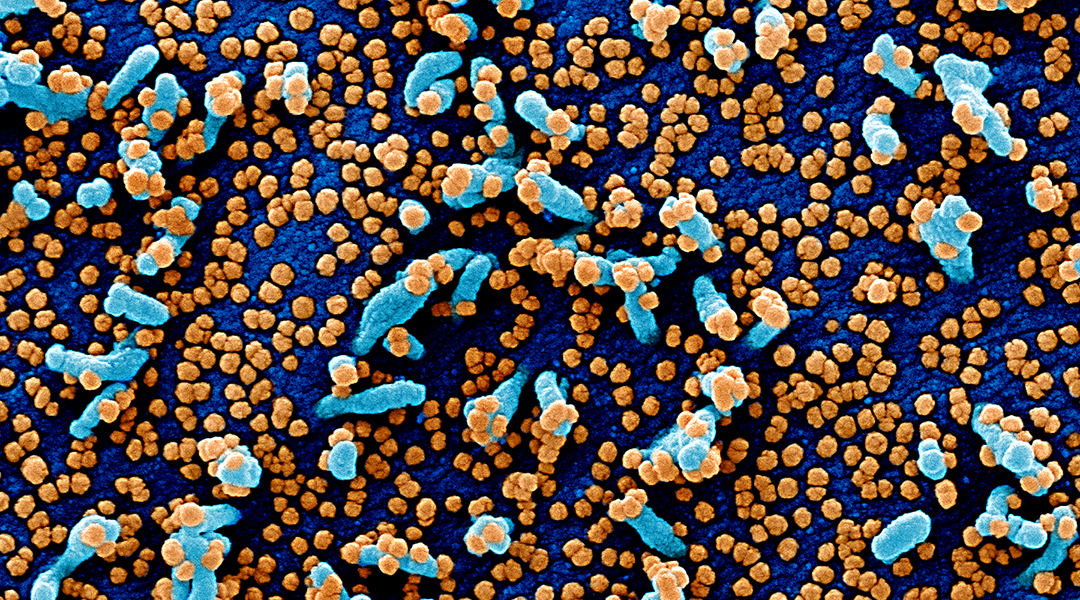

New study finds coronaviruses are masters of mimicry, reproducing their host’s immune proteins to remain invisible and help promote infection.
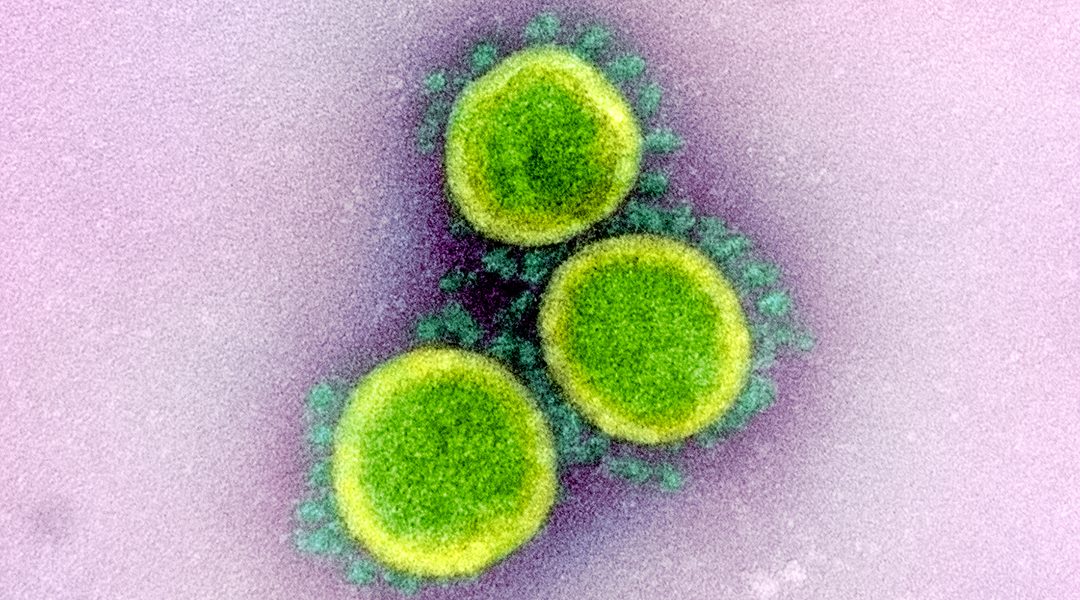
Researchers enhance the immune response against the receptor binding domain of SARS-CoV-2 by presenting it on liposomes, providing a promising strategy for vaccine development targeting this domain.
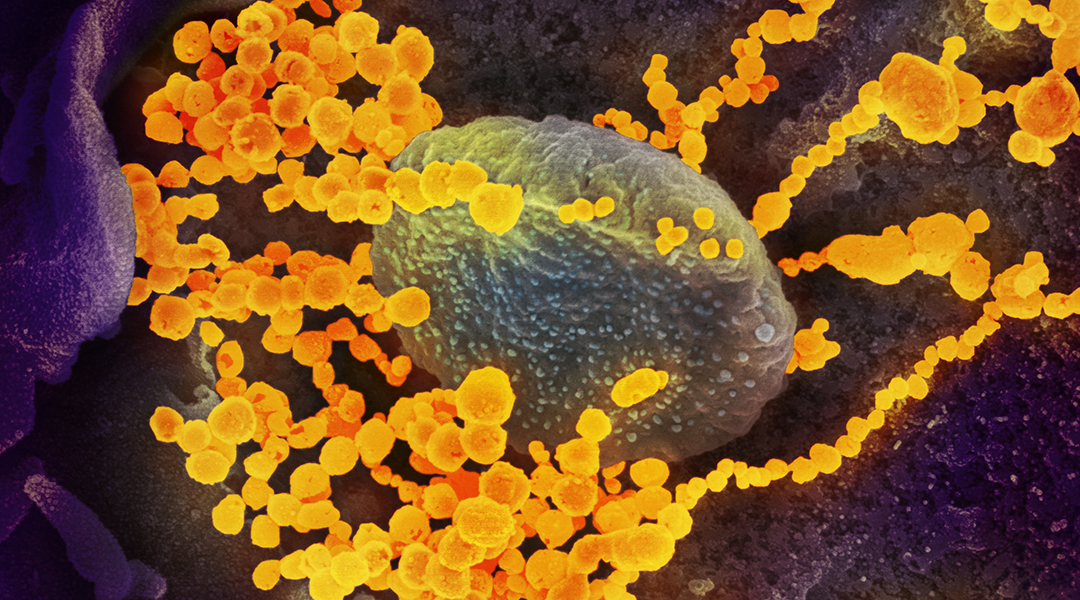
SARS-CoV-2 antibodies were found in patients’ blood up to 7 months after infection, and researchers are hopeful.
A new vaccine adjuvant, which helps stimulate the immune system, has been developed based on two chemicals that are produced by the body.
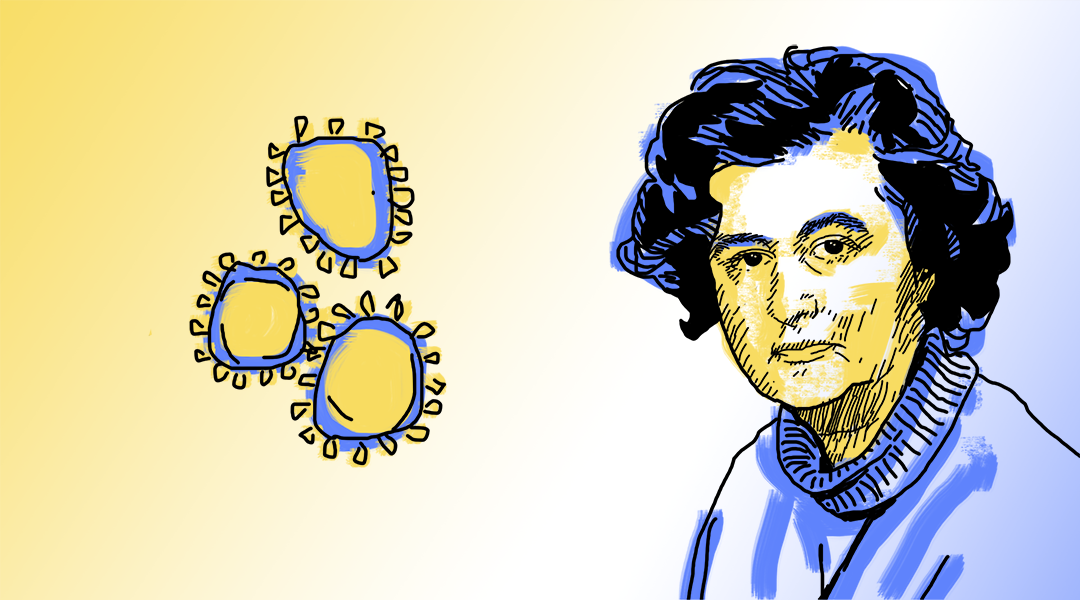
No formal scientific education, a single mother, author of 103 scientific papers, the first person to see a corona virus, June Almeida was a tour de force.
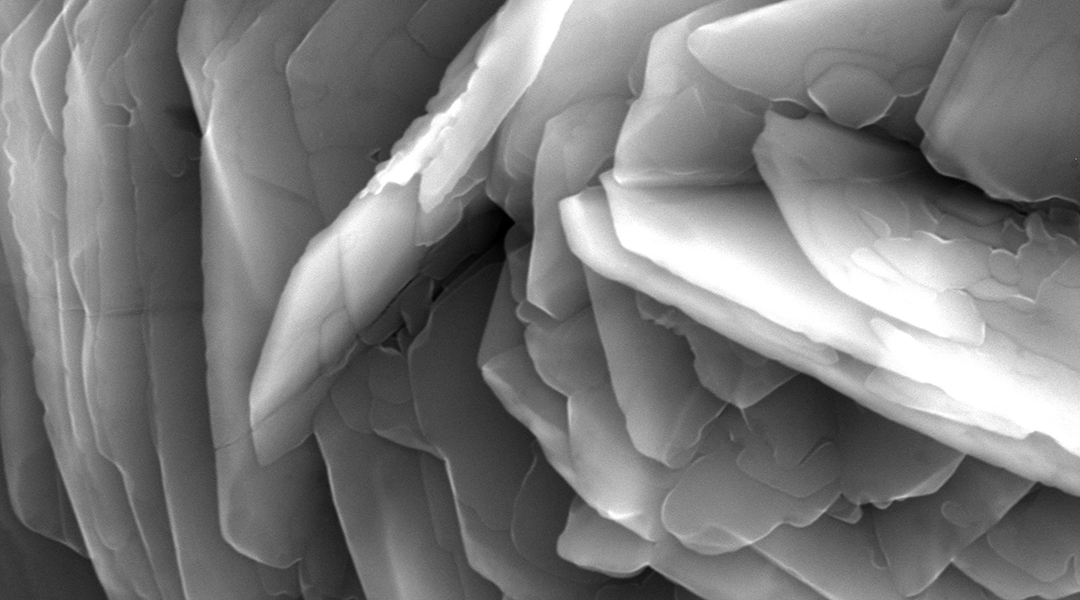
Novel rosette-like formations may open new opportunities in corrosion science, manufacturing of titanium-based implants, and fluid-surface interactions.
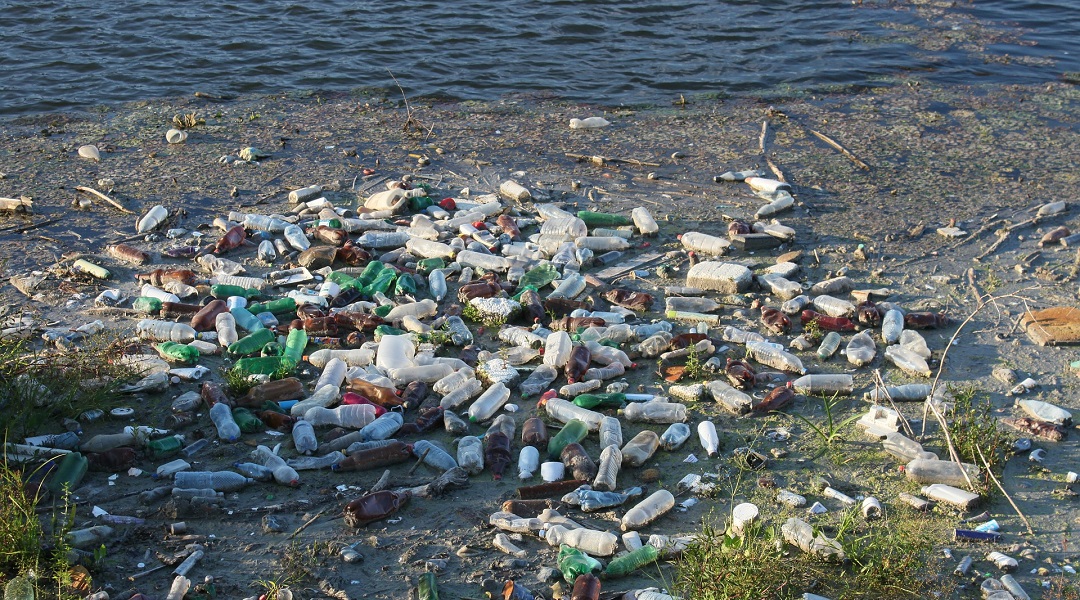
Czech researchers developed self-propelled microrobots that decompose complex solid pollutants, such as single use and disposable textile fibers.
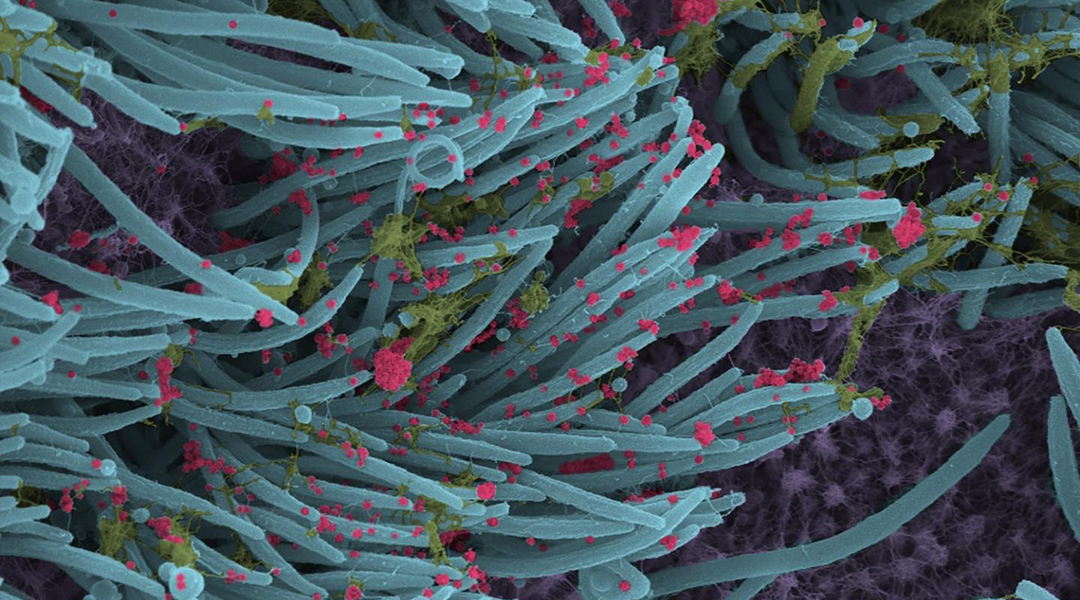
Researchers capture high-powered microscopic images showing startlingly high SARS-CoV-2 viral loads on human respiratory surfaces.
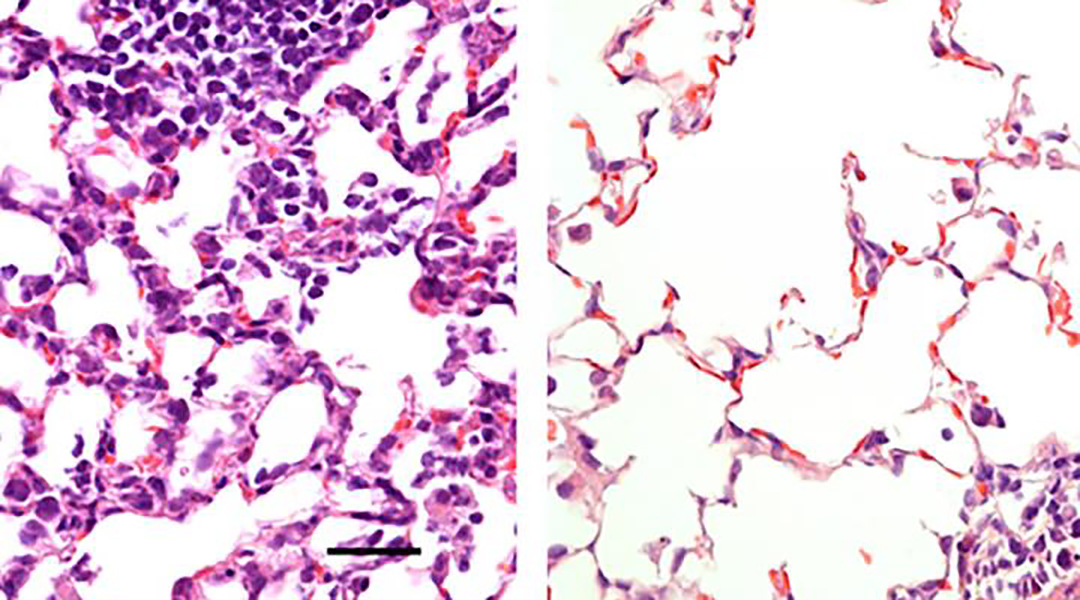
Study claims nasal delivery protects first site of infection and produces widespread immune response compared to intramuscular injection.
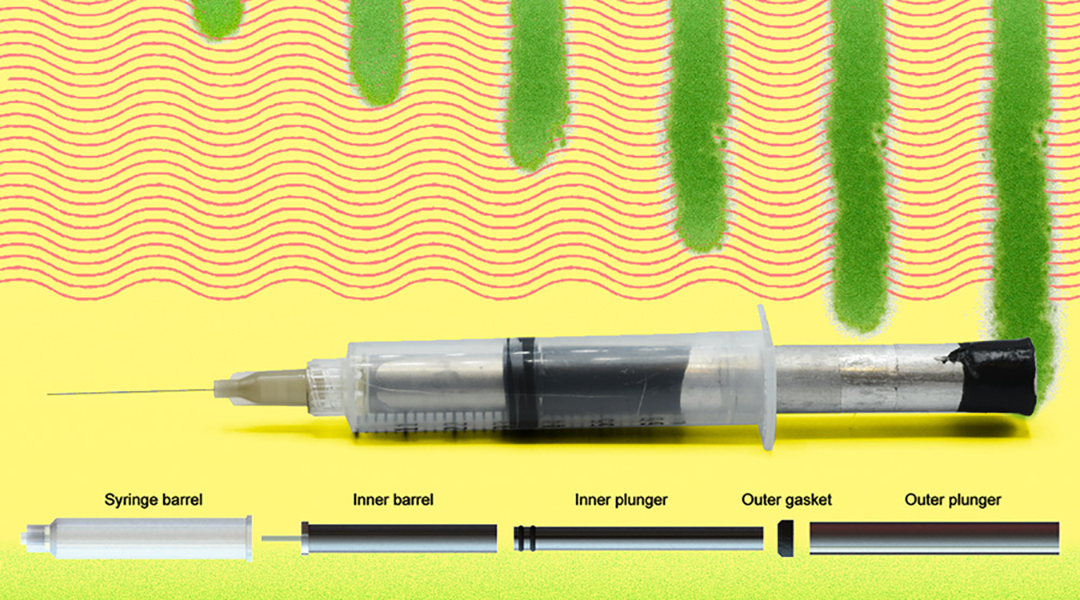
Researchers have designed a simple, low-cost device for subcutaneous injection of viscous formulations.
 New theory suggests gravity is not a fundamental force
 Higgs boson may be driving the Universe’s expansion
 Water-powered gadgets may be on the horizon thanks to new evaporation-based energy device
 Scientists discover a new class of antibiotics
 Micron-sized hidden dimensions could solve two of physics’ deepest puzzles
 A new type of dark matter could explain mysterious radiation from the Milky Way’s core