Creating antiviral drugs to help treat infected patients is more important than ever. Now, researchers report a non-toxic macrocycle antiviral agent that shows high efficacy against several influenza strains.
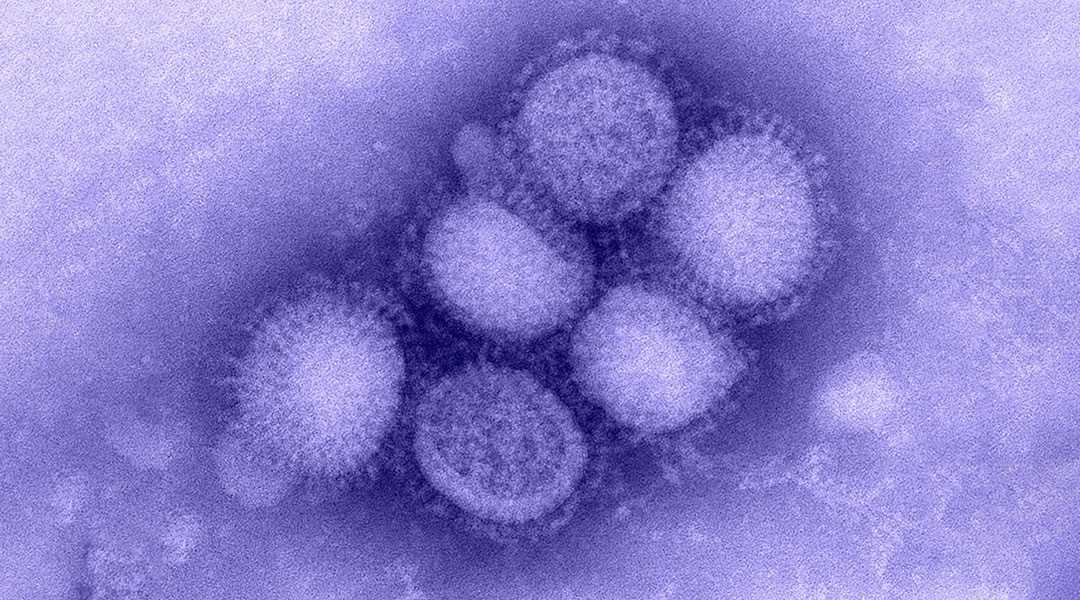

Creating antiviral drugs to help treat infected patients is more important than ever. Now, researchers report a non-toxic macrocycle antiviral agent that shows high efficacy against several influenza strains.

The global COVID-19 pandemic has changed the way in which we teach, but it doesn’t have to be all bad.

The companies announce the first emergency approval of their mRNA vaccine against COVID-19, with rollout to begin next week.

Scientists uncover how a sensor protein activates our immune system against the common cold. The findings may lead to more effective treatments of flu-like symptoms.
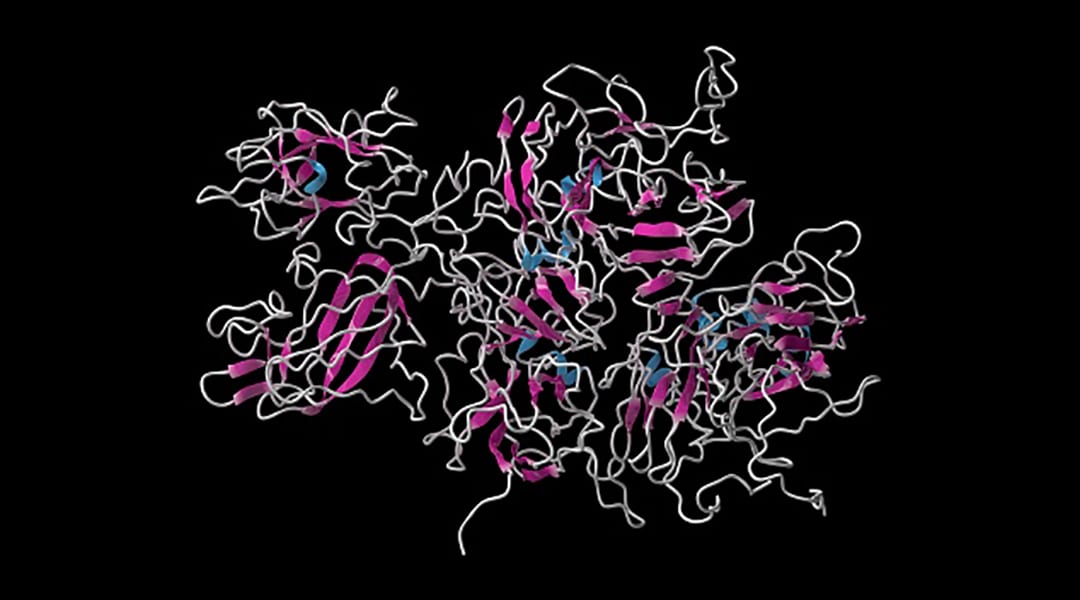
Using their deep-learning program, AlphaFold, researchers predict the 3D structure of proteins using only their linear amino acid sequence, revolutionizing computational biology as we know it.

Developments in pathogen-detecting materials could provide an easy means of detecting viruses within public places.

The Climate 21 project lays out a program for a multilateral, comprehensive, speedy, and effective change to a green energy infrastructure, one that will help mitigate the negative effects of a changing climate.

The procurement and maintenance of high‐end ventilators limits their use in emergency situations. By removing the “frills”, researchers create a viable alternative.

In a survey of biomaterials articles that included cell culture experiments, only 3.7% of studies reported the sex of the cells.

Freeness of scientific literature is undeniably a highly desirable concept, but it is accompanied by a responsibility that we have not yet structurally realized.
 New theory suggests gravity is not a fundamental force
 Higgs boson may be driving the Universe’s expansion
 Water-powered gadgets may be on the horizon thanks to new evaporation-based energy device
 Scientists discover a new class of antibiotics
 Micron-sized hidden dimensions could solve two of physics’ deepest puzzles
 A new type of dark matter could explain mysterious radiation from the Milky Way’s core