The future will witness a gradual shift in which computational models will play a progressively larger role in identifying new materials for specific purposes.
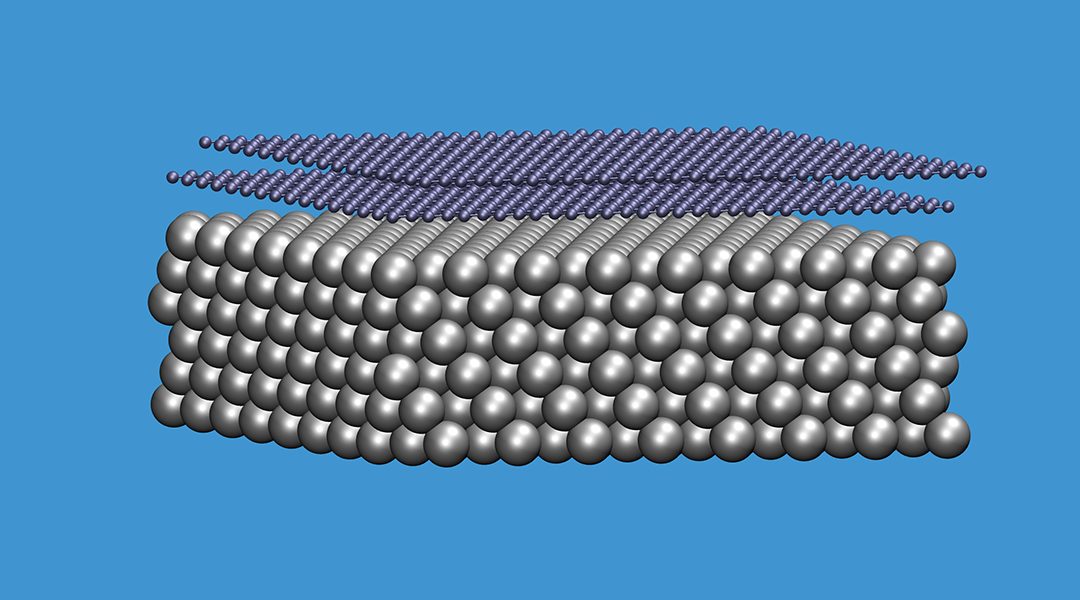

The future will witness a gradual shift in which computational models will play a progressively larger role in identifying new materials for specific purposes.

The current pandemic has provided an opportunity to observe the resilience of every link in the healthcare chain, and AI has appeared to have given in.

New quantum algorithms will have dramatic impact in computational molecular biology and bioinformatics and promise to impact a number of life science applications.
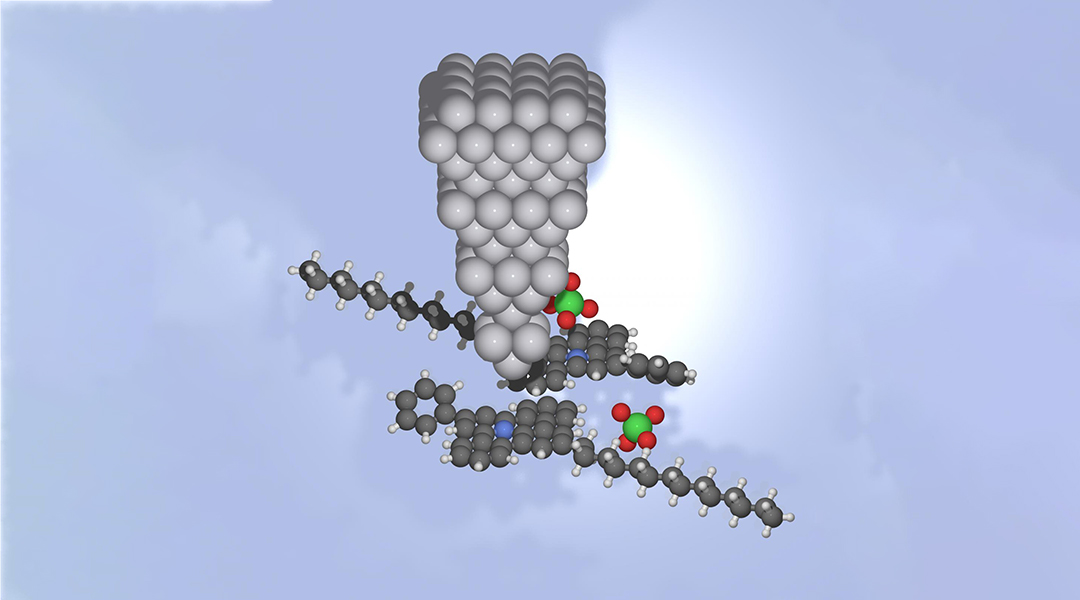
Researchers have discovered a single-molecule “switch” that can act like a transistor and offers the potential to store binary information.
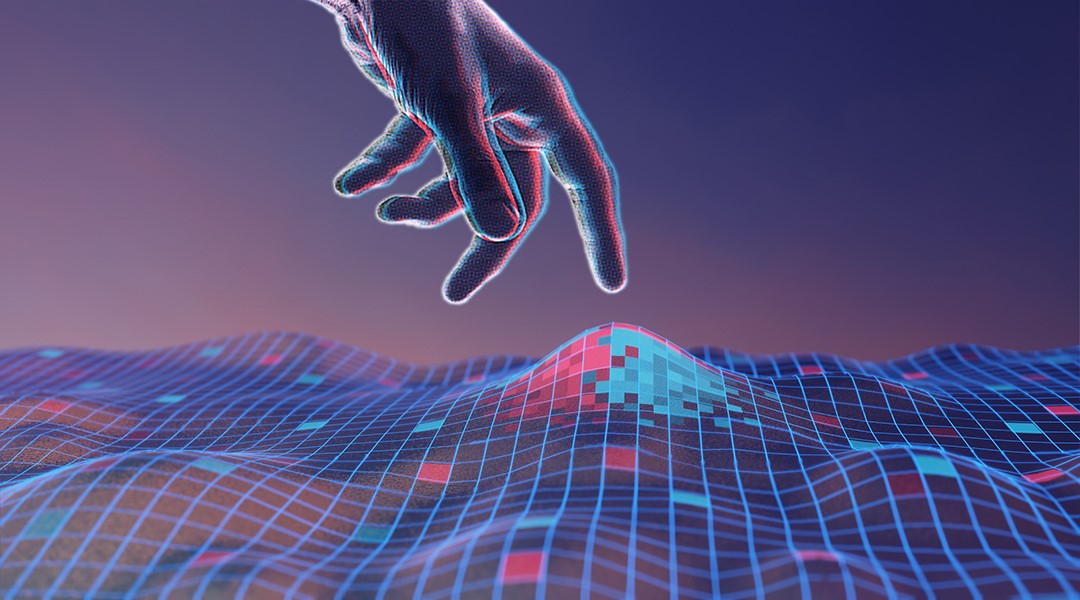
A transparent and stretchable touch sensor could enable robust touch input mapping under either static or dynamic deformation.
An exciting and exotic approach to minimizing error in quantum computation re-purposes a known code to achieve what many researchers thought was impossible.

Researchers discuss how to extract valuable information from databases to aid decision making in emergencies, such as the current pandemic.

Flexible perovskite photovoltaic cells on ultra-thin glass achieve remarkable efficiencies under indoor illumination.
Bridging the gap between biology and electronics, researchers develop biocompatible materials for next generation biosensors, cell monitoring, neuromorphic computing, and more.
Controlling the probability of a series of seemingly random events is the key to mimicking the human brain to optimize neuromorphic learning.
 New theory suggests gravity is not a fundamental force
 Higgs boson may be driving the Universe’s expansion
 Water-powered gadgets may be on the horizon thanks to new evaporation-based energy device
 Scientists discover a new class of antibiotics
 Micron-sized hidden dimensions could solve two of physics’ deepest puzzles
 A new type of dark matter could explain mysterious radiation from the Milky Way’s core