As humpback whale populations increase, two decades worth of data finds they are shifting from singing to fighting as their preferred mating strategy.


As humpback whale populations increase, two decades worth of data finds they are shifting from singing to fighting as their preferred mating strategy.
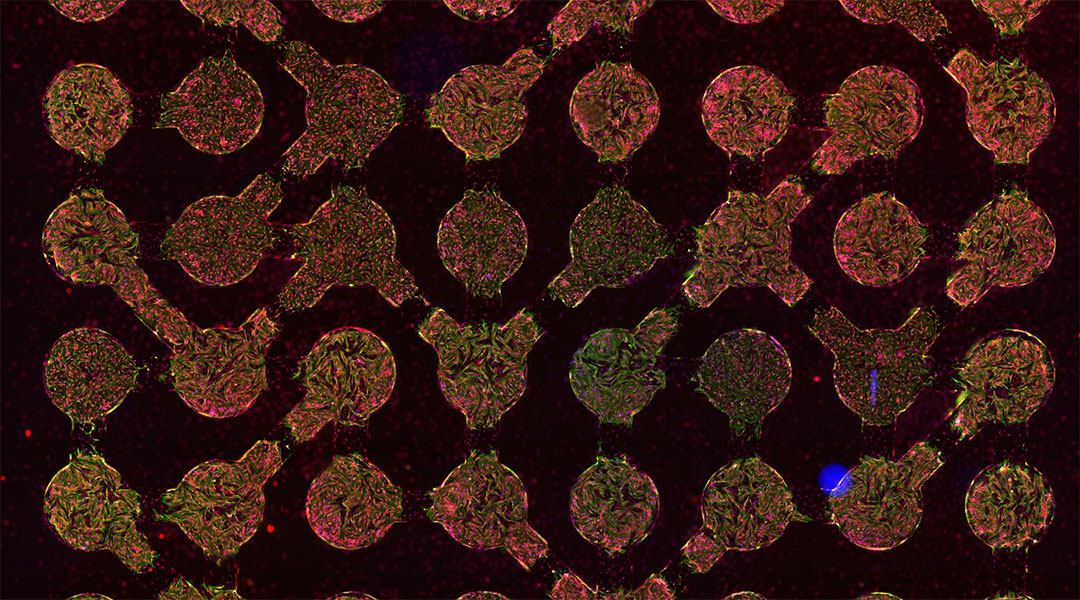
A biocomputer built from connected heart cells solves computational problems with high accuracy and at a low computational cost.

Drugs based on nucleic acids are easily degradable and tough to deliver, but a way around this is to coat them in protective carrier.

Splitting water with light via photocatalysis to create hydrogen could help reach net zero emission goals if the process can be scaled up.

Students at Rutgers University have set up a scientific journal that exclusively features undergraduate research papers.

The sulfate-free movement in beauty products has been gaining popularity, but this isn’t based in science, say experts.
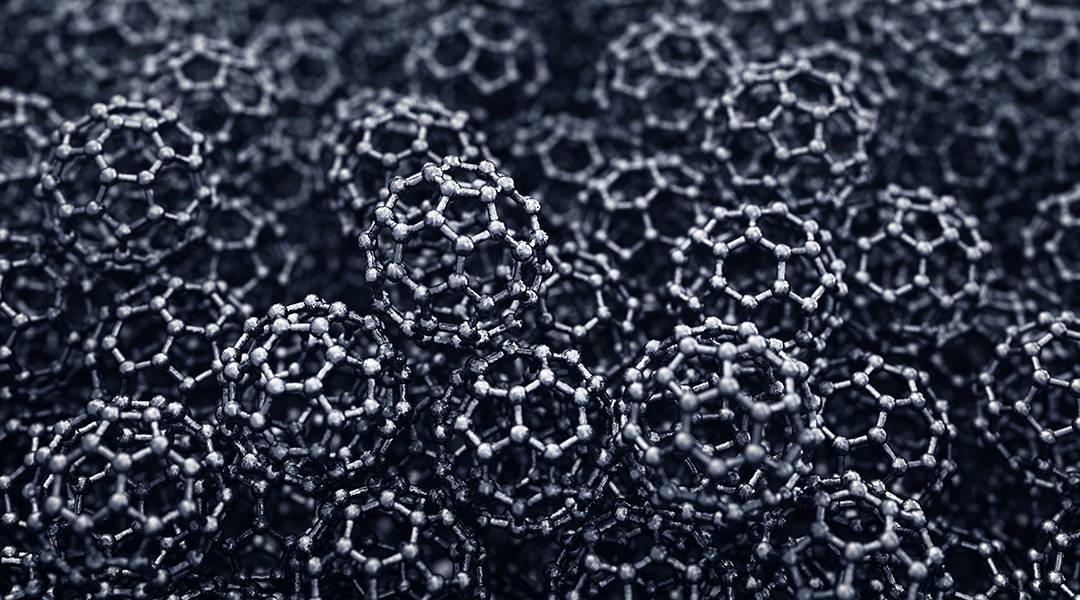
Scientists are investigating how fullerene nanomaterials can be used as antivirals against different variants of SARS-CoV-2 and other viruses.

Even light blows from heading a soccer ball can contribute to long term brain injury, highlighting the need for collecting precise data.

An inhaled drug carrier helps minimize side effects while delivering drugs to the lungs to treat diseases such as pulmonary fibrosis.
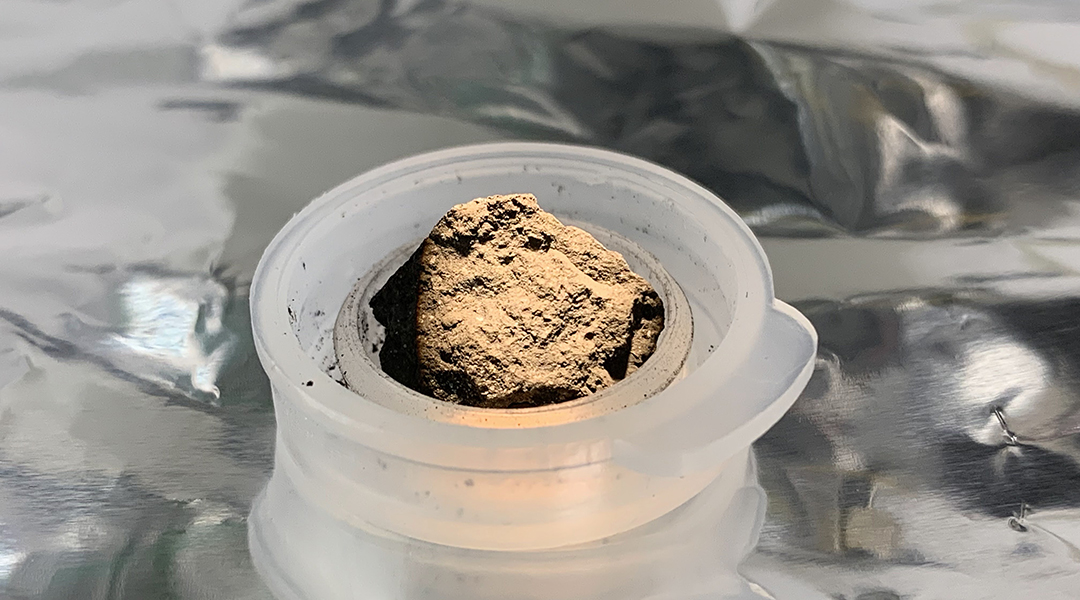
A meteorite that lit up the sky of Gloucestershire contains amino acids, the building blocks of life.

 Micron-sized hidden dimensions could solve two of physics’ deepest puzzles
 Turning Periods into Power: Menstrual Blood a Valuable Resource for Medical Diagnostics
 Surfactants Steer Supraparticle Structure
 Bone loss in obesity traced to gut microbiota
 Edible electronics realize safe, complex monitoring devices
 Fermilab Confirms Muon g-2 Measurements