Edge-hydrogenation of carbon electrodes could further the quest for solid-state, single-molecule DNA sequencing.
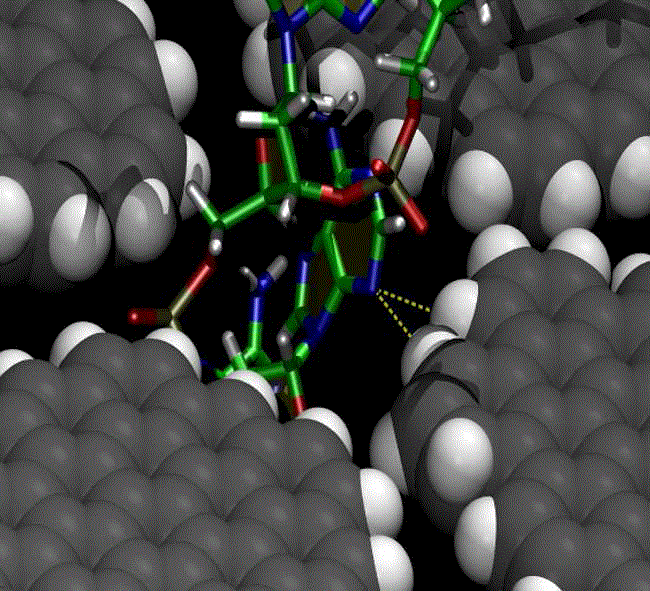

Edge-hydrogenation of carbon electrodes could further the quest for solid-state, single-molecule DNA sequencing.
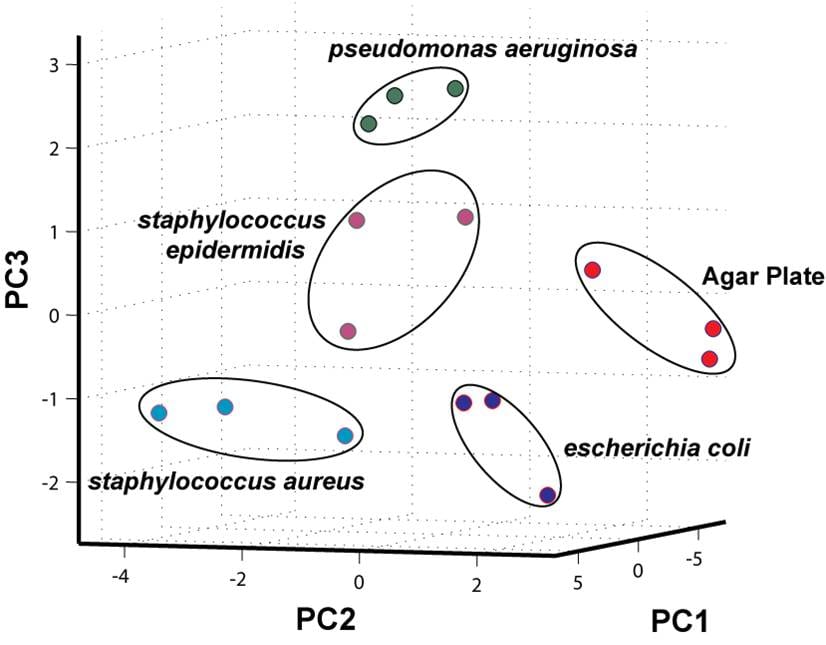
So what is next for nanochemical and biochemical sensor research? Shouldn’t we be trying to find the next glass pH electrode, rather than trying to squeeze that extra fraction of a percent out of our tried and tested materials?
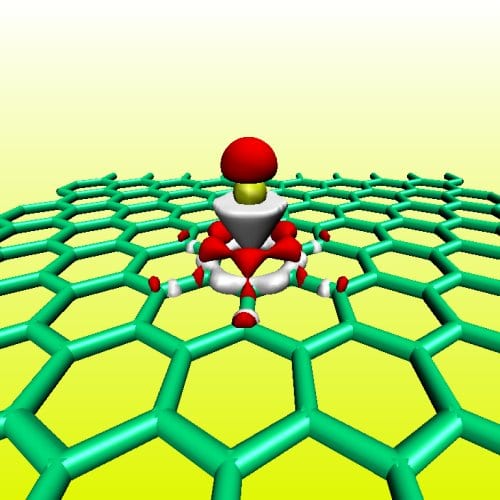
Aluminum clusters move along graphene tracks, controlled by applied electric currents, in work by Spanish and Dutch researchers.
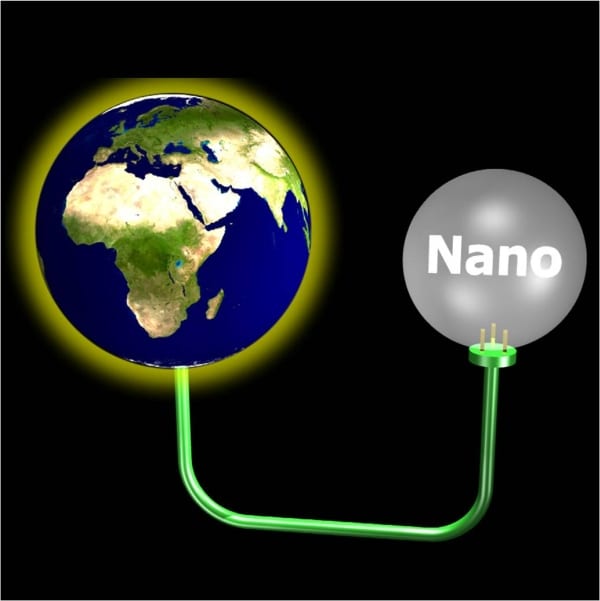
How can nanomaterials make a difference in the grand challenge: efficient and green global scale production, storage and use of energy? Professor Geoffrey Ozin from the University of Toronto gives his response to this question.
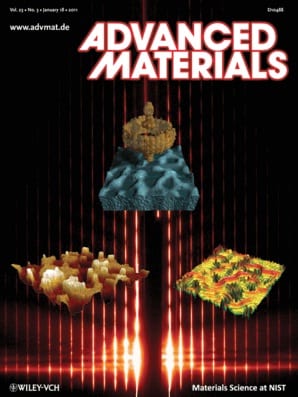
Established in 1962, the Polymers Division in the Material Measurement Laboratory of the National Institute of Standards and Technology (NIST) will soon celebrate its 50th year as a world leader in polymers research.
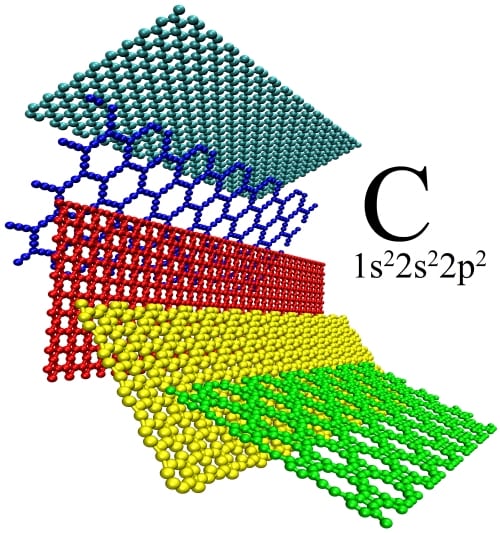
A set of twelve graphene-like materials is simulated regarding their stability, structural, and electronic properties.
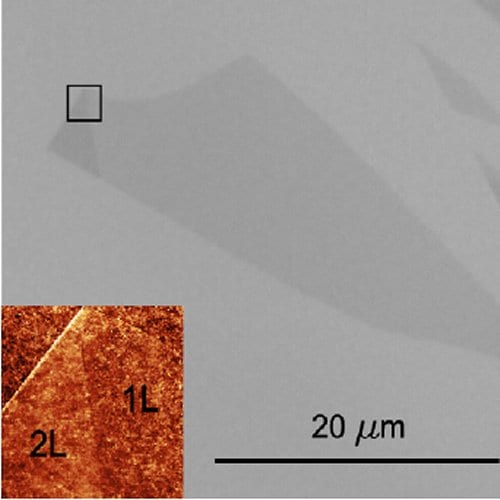
UK scientists develop method to produce and identify boron nitride monolayers like graphene using simple laboratory techniques.
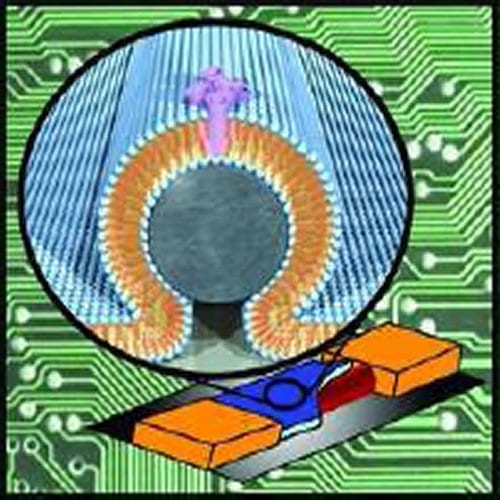
Science-fiction becomes science fact: How bionanoelectronics will revolutionize the world through medical and computational advances.
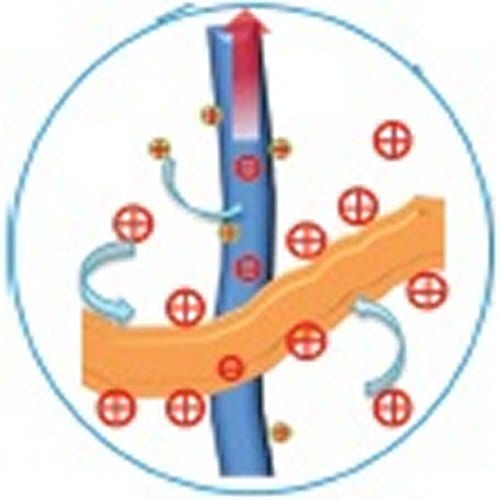
A supercapacitor with high power and energy density is made using nanocomposites containing carbon nanotubes.
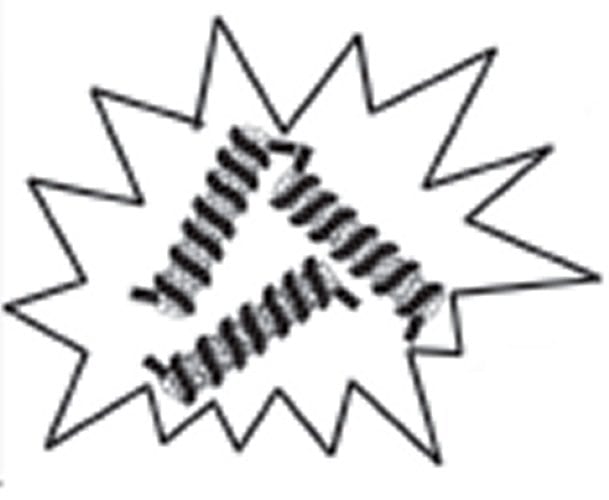
Nuclease activity can be detected by a simple, sensitive, and selective test based on light scattering of carbon nanotubes, with no need for a label.

 Micron-sized hidden dimensions could solve two of physics’ deepest puzzles
 Turning Periods into Power: Menstrual Blood a Valuable Resource for Medical Diagnostics
 Surfactants Steer Supraparticle Structure
 Bone loss in obesity traced to gut microbiota
 Edible electronics realize safe, complex monitoring devices
 Fermilab Confirms Muon g-2 Measurements