Researchers demonstrate electrochemical actuation using graphene-based paper.
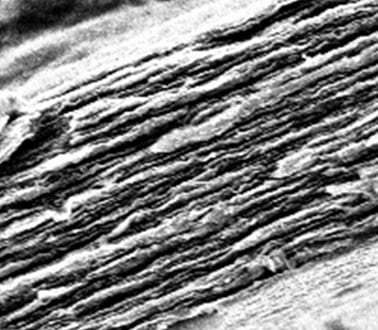

Researchers demonstrate electrochemical actuation using graphene-based paper.
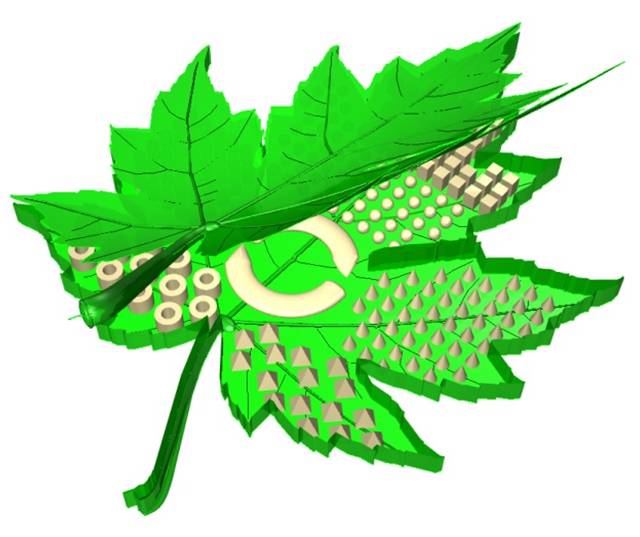
Professor Geoffrey Ozin discusses what he believes may be the largest challenge of the century—the development of an artificial photosynthetic machine.
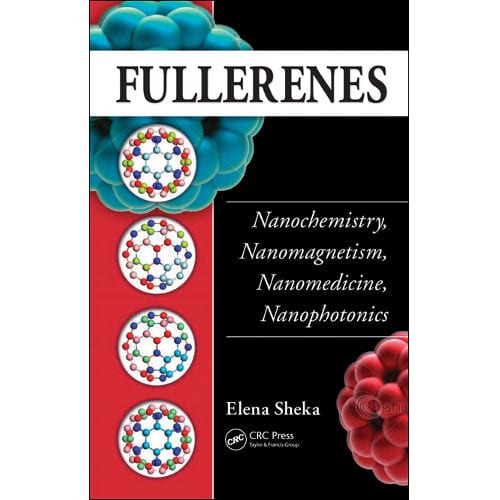
MIT professor Mildred Dresselhaus takes a look at the latest work in fullerene chemistry.
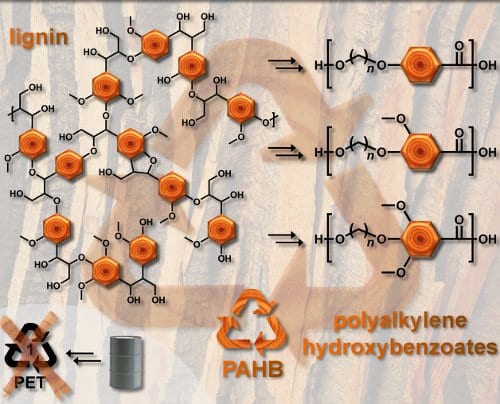
University of Florida researchers report PAHBs derived from lignin, a by-product of the paper pulping and cellulosic bio-ethanol industries
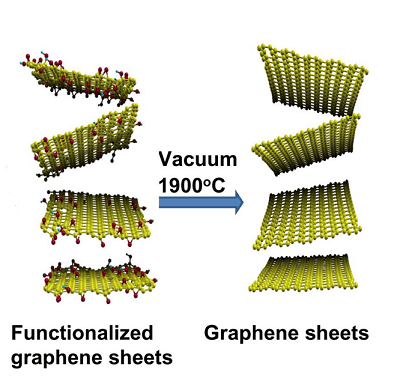
A new method to produce purer, more conductive graphene sheets has been developed by a Korean research team

Professor Dmitri Golberg reviews the first volume of the new Polymer Nano, Micro- & Macrocomposites series, edited by Dr. Vikas Mittal.
Carbon nanotube-enzyme composite electrodes are applied in glucose biofuel cells.
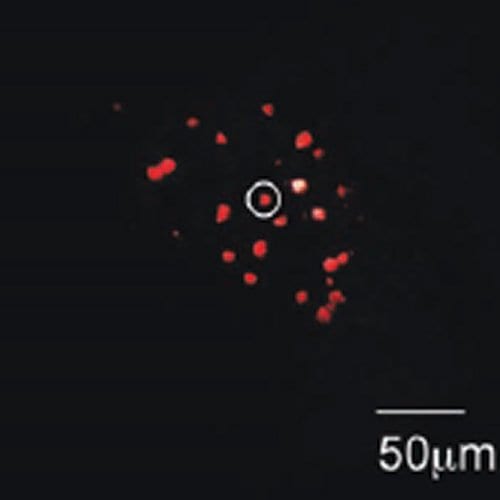
Russian scientists have made nanodiamonds with a higher concentration of nitrogen vacancy centers, with a better efficiency than was previously possible.
Carbon nanotubes have the potential to unlock effective treatments for that most delicate of systems – the mammalian central nervous system. But conflicting studies and reports on potential toxicity underline the need for careful, standardized, and thorough research protocols.
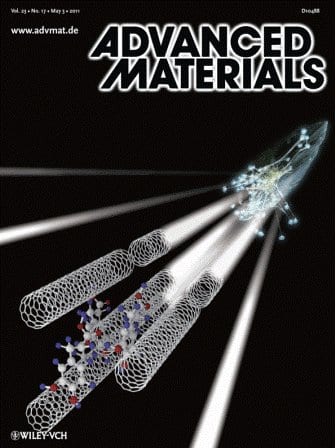
Merging the ultra-strong nature of carbon nanotubes and mussel-inspired linker molecules renders high-strength fibres via a simple spinning process.

 Micron-sized hidden dimensions could solve two of physics’ deepest puzzles
 Turning Periods into Power: Menstrual Blood a Valuable Resource for Medical Diagnostics
 Surfactants Steer Supraparticle Structure
 Bone loss in obesity traced to gut microbiota
 Edible electronics realize safe, complex monitoring devices
 Fermilab Confirms Muon g-2 Measurements