Researchers from Canada have used structure-dependent dual-wavelength emission to distinguish between intact and disrupted nanocarriers with ratiometric imaging.
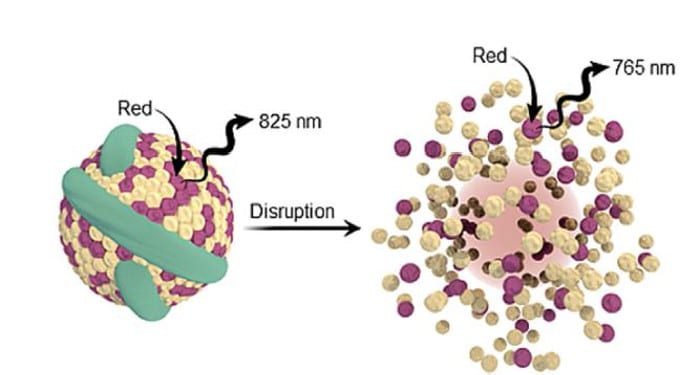

Researchers from Canada have used structure-dependent dual-wavelength emission to distinguish between intact and disrupted nanocarriers with ratiometric imaging.
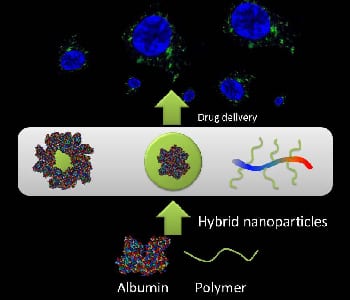
In their review, Jiang and Stenzel discuss the various creative approaches in which albumin can be combined with polymers for application in drug delivery.
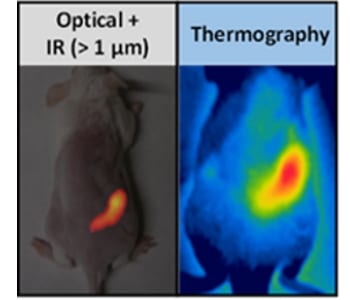
Ultrasmall NdVO4 nanoparticles are presented as a promising agent for deep-tissue photothermal therapy.
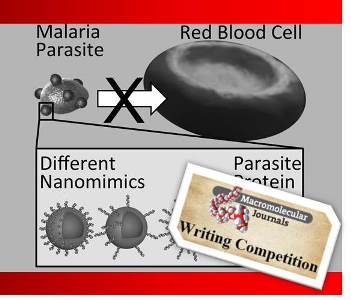
A nanomimics concept based on block copolymer vesicles is evaluated with regard to molecular factors influencing antimalarial activity.
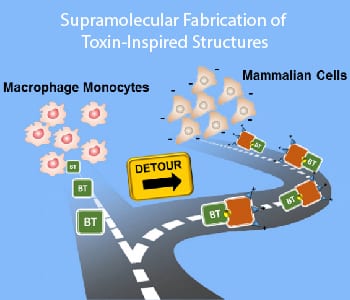
Researchers have devised a bottom-up approach to fabricate precisely arranged synthetic macromolecules and an enzymatically active toxin from Clostridium botulinum.
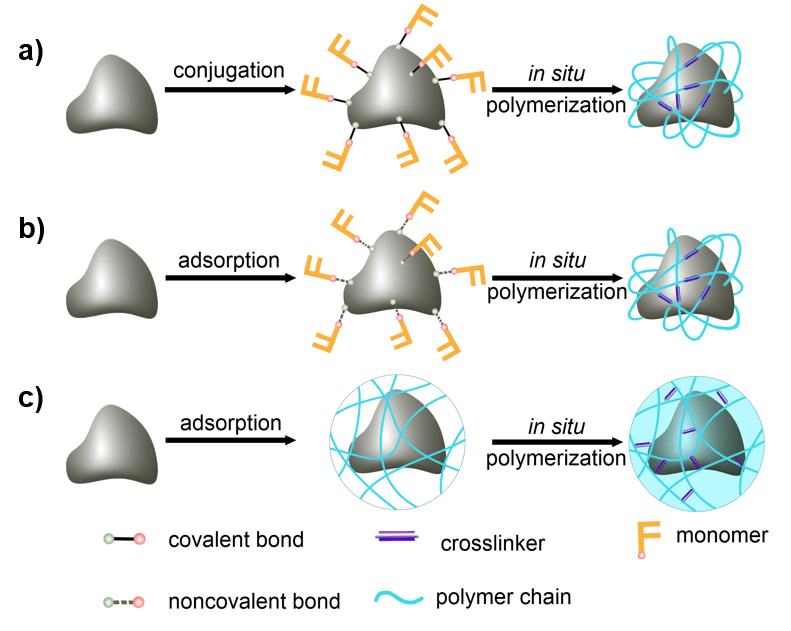
Zhen Gu at Joint UNC/NC State Department of Biomedical Engineering gives an overview of the recent advances in protein nanogels for biomedical applications
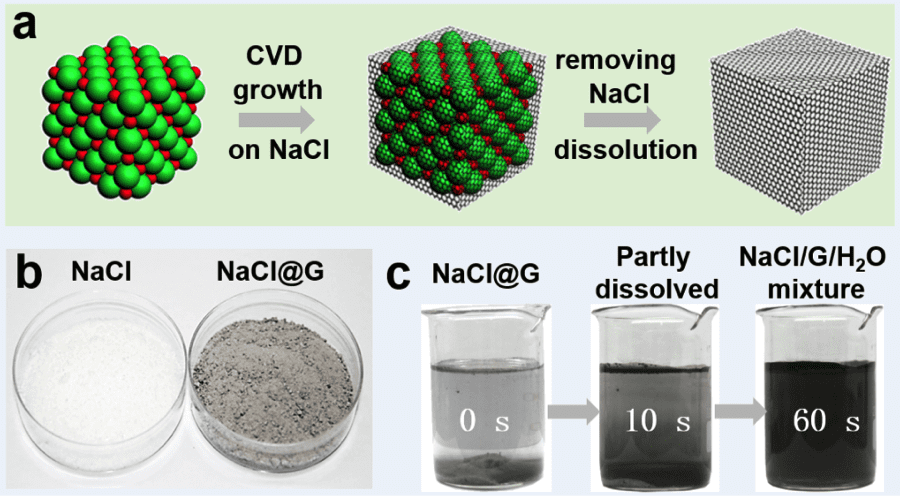
Researchers investigate substrates in which micron-size sodium chloride crystals are used as a water soluble, recyclable substrate for CVD growth of few-layer graphene.
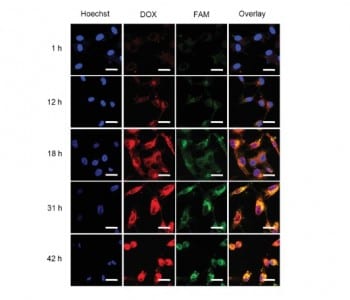
A tumor prodrug, which is able to monitor drug release and therapeutic success in real time, is developed.
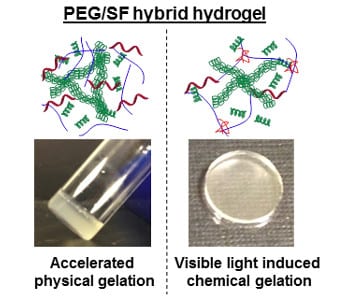
Scientists make highly customizable hybrid hydrogels from artificial and natural sources for biomedical applications.
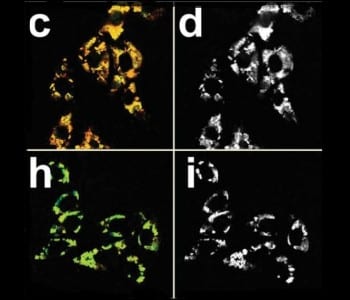
An Ir-complex modified nanoprobe to sensitively monitor hypoxia in cancer cells without interfering autofluorescence is developed.
 New theory suggests gravity is not a fundamental force
 Higgs boson may be driving the Universe’s expansion
 Water-powered gadgets may be on the horizon thanks to new evaporation-based energy device
 Scientists discover a new class of antibiotics
 Micron-sized hidden dimensions could solve two of physics’ deepest puzzles
 A new type of dark matter could explain mysterious radiation from the Milky Way’s core