An analysis of nuclear body protein disorder that suggests MLO proteomes are significantly more disordered than structured cellular features.
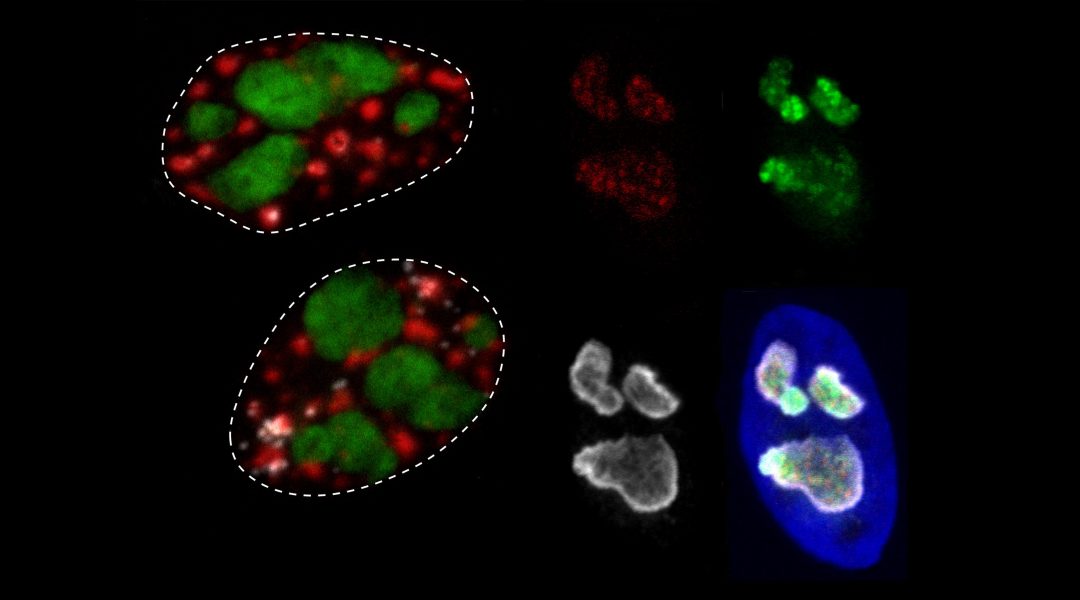

An analysis of nuclear body protein disorder that suggests MLO proteomes are significantly more disordered than structured cellular features.

Frank Caruso on nanomaterials for the future of medicine.
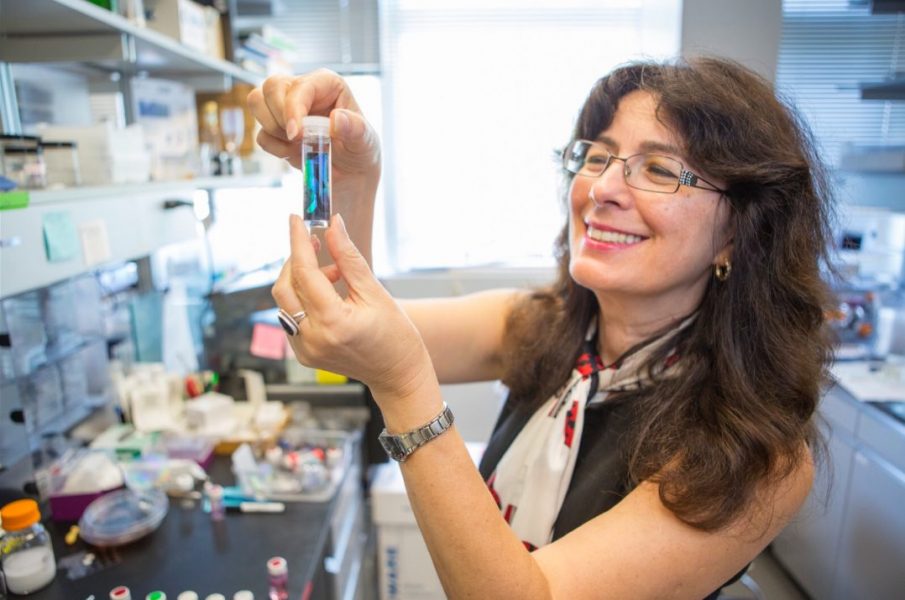
Joanna Aizenberg talks about the people who inspire her, her advice to early-career researchers, and her hopes for the future of scientific research.
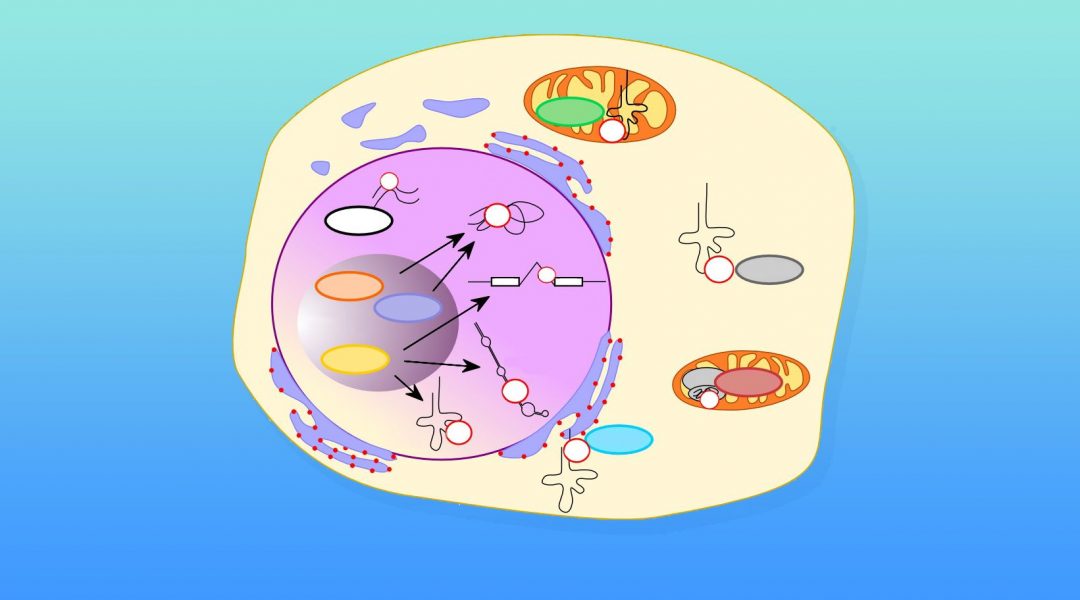
It is a well‐known fact that RNA is the target of a plethora of modifications which currently amount to over a hundred. The vast majority of these modifications was observed in the two most abundant classes of RNA, rRNA and tRNA. With the recent advance in mapping technologies, modifications have been discovered also in mRNA and in less abundant non‐coding RNA species.

The required features of nanofactories, and current strategies for their design and fabrication.
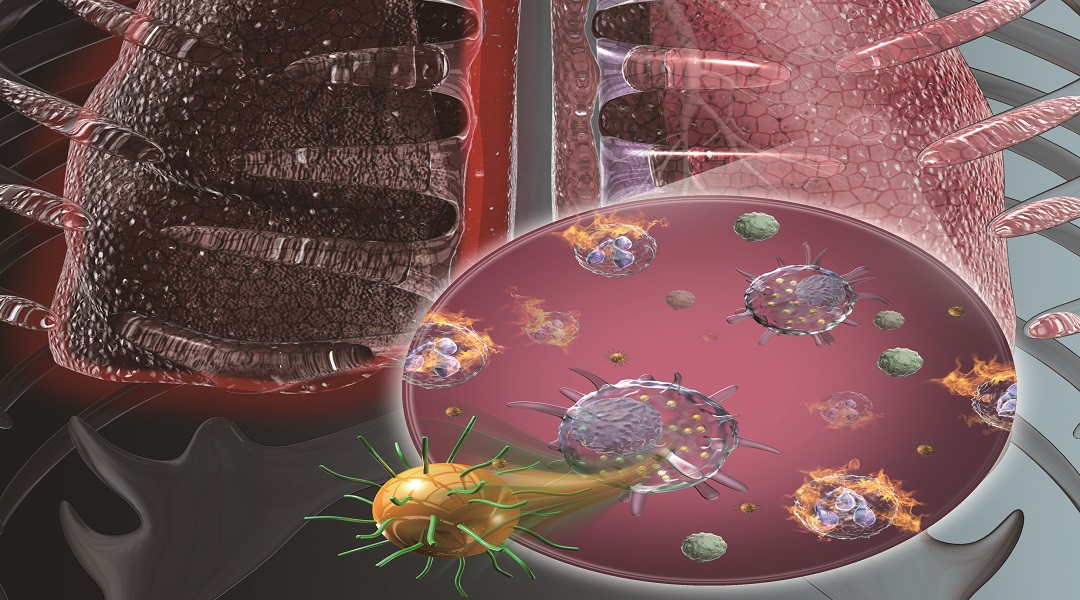
Check out the latest covers of Advanced Healthcare Materials!
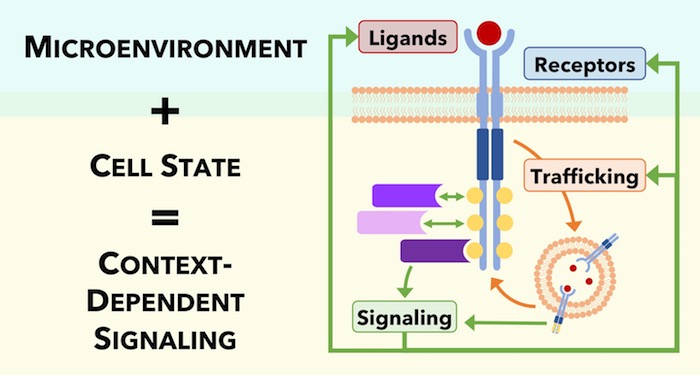
Receptor tyrosine kinases (RTKs) are cell membrane proteins that provide cells with the ability to sense proteins in their environments. Many RTKs are essential to development and organ growth. Derangement of RTKs—by mutation or by overexpression—is central to several developmental and adult disorders including cancer, short stature, and vascular pathologies.
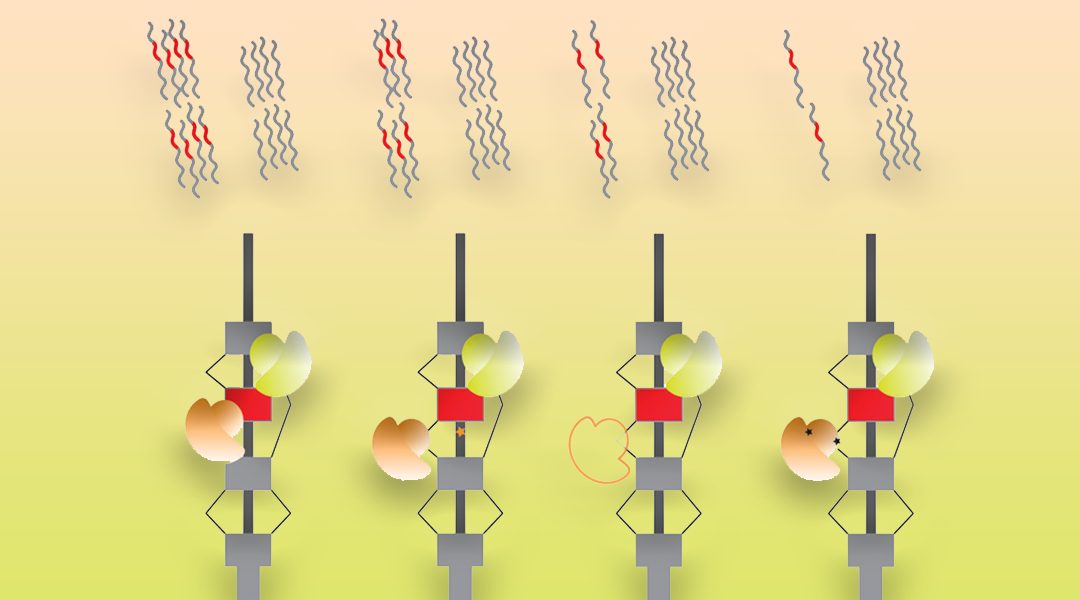
RNA processing has emerged as a key mechanistic step in the regulation of the cellular response to environmental perturbation.
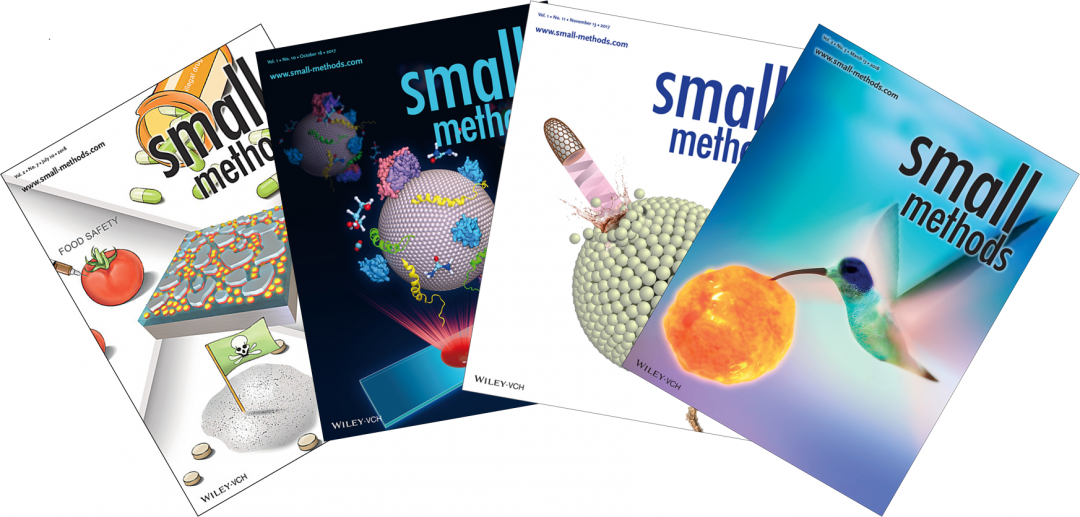
The Editors of Small Methods are pleased to publish this special biomedical virtual issue. This collection highlights outstanding research in Small Methods from the very first issue to now, in the areas of biosensing, biomedical engineering, nanomaterials,...
![Monitoring Reactive Oxygen Species in Cells and Tissue [Video]](https://www.advancedsciencenews.com/wp-content/uploads/2018/09/smll201800310_ASN_image.jpg)
Researchers report a highly sensitive detection method for monitoring the nanotoxicity associated with reactive oxygen species (ROS).
 New theory suggests gravity is not a fundamental force
 Higgs boson may be driving the Universe’s expansion
 Water-powered gadgets may be on the horizon thanks to new evaporation-based energy device
 Scientists discover a new class of antibiotics
 Micron-sized hidden dimensions could solve two of physics’ deepest puzzles
 A new type of dark matter could explain mysterious radiation from the Milky Way’s core