Using a chemical signature in the breath, a newly approved COVID-19 breathalyzer could provide an easy and rapid means of testing.
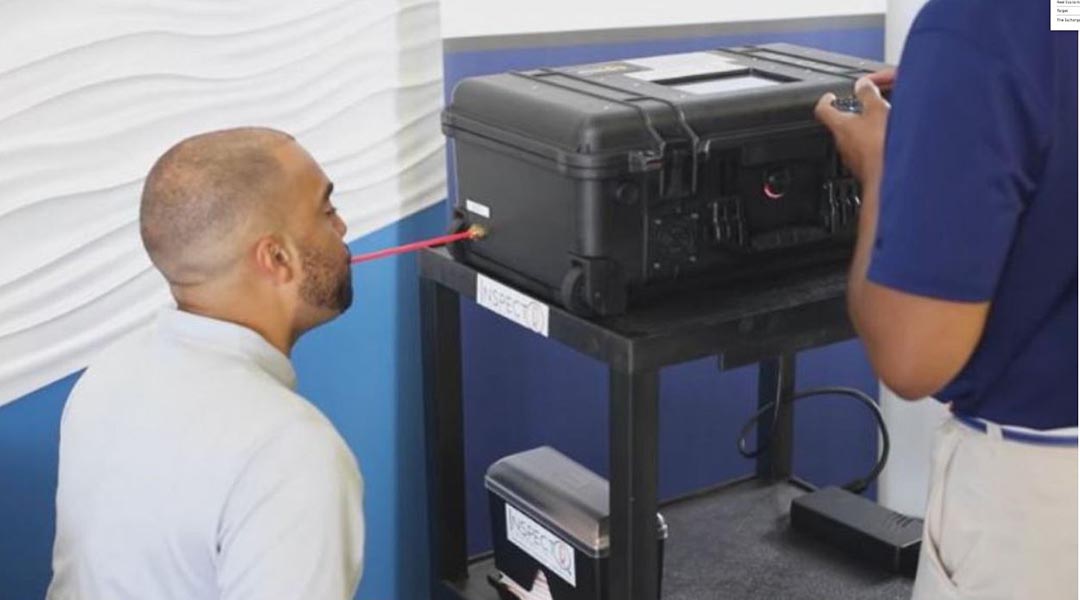

Using a chemical signature in the breath, a newly approved COVID-19 breathalyzer could provide an easy and rapid means of testing.
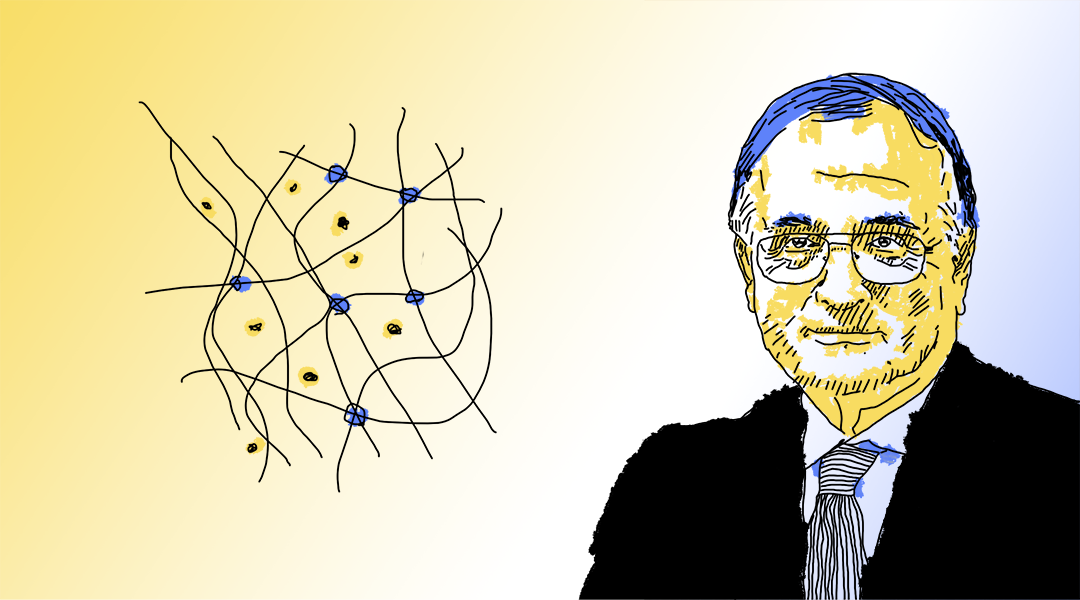
A pioneer of advanced healthcare materials, Nicholas Peppas continues to innovate in the fields of healthcare materials and drug delivery.
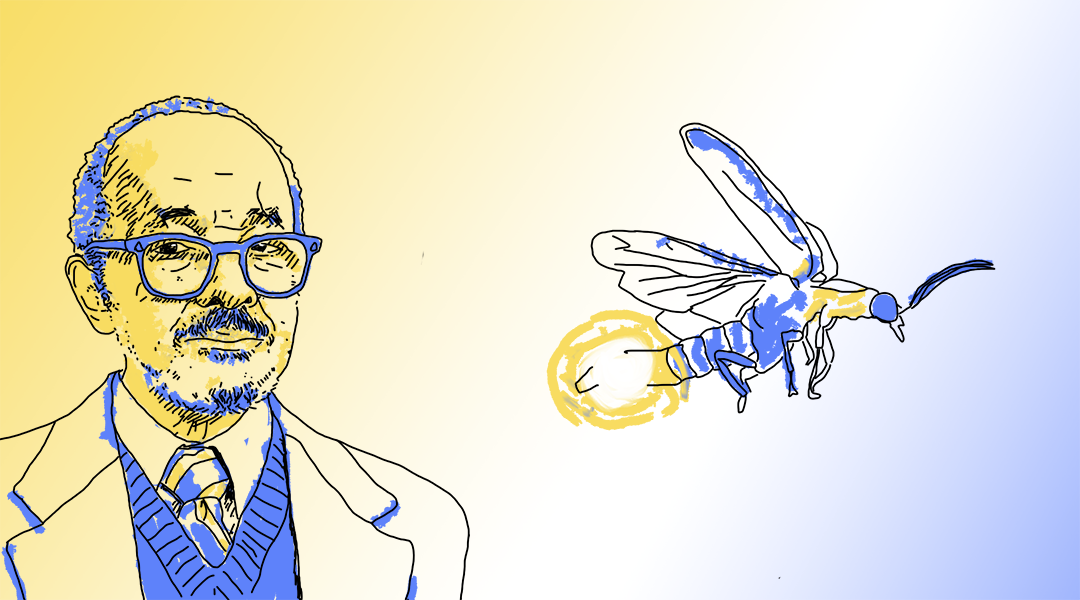
Biochemist and astrobiologist Emmett Chappelle created a simple means of identifying life and opened a new world for fluorescence testing.
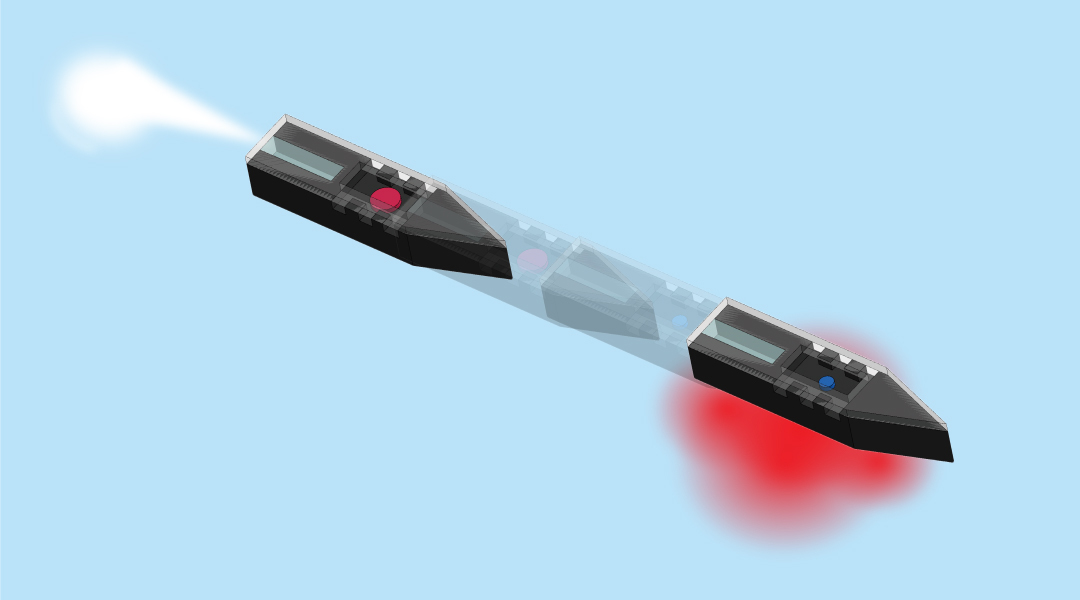
Using stimuli-responsive hydrogels with regularly arranged colloidal particles, researchers create color-changing microrobots that can freely explore and gather information.
Shifting away from fossil fuels to renewable energy products will not only help address harmful emissions, but unwanted chemical exposure.

To understand the progression of diseases, such as angiogenesis, researchers have turned to computers to model complex biological processes.
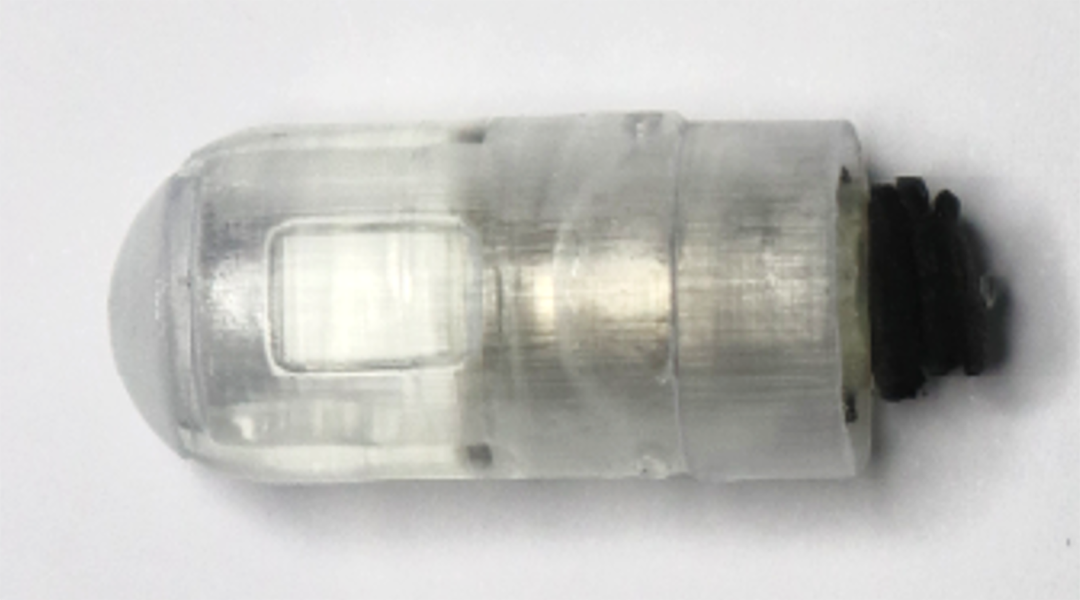
A magnetic, drug-delivering capsule precisely navigates the GI tract to heal gastrointestinal disease and injury.
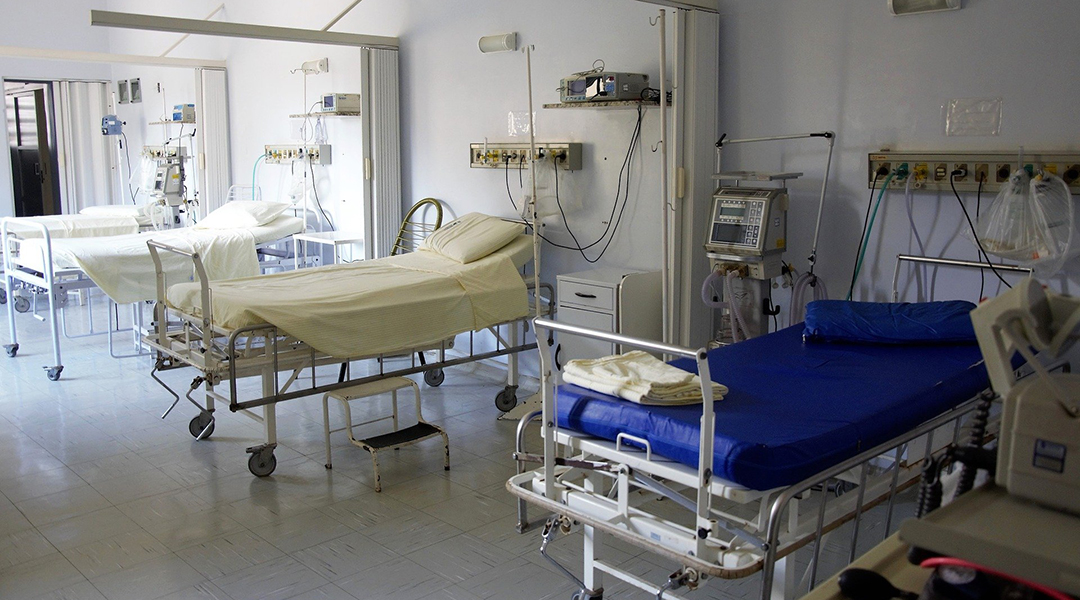
A non-invasive means of monitoring intra-abdominal pressure using a wireless radar system could save lives in the ICU.
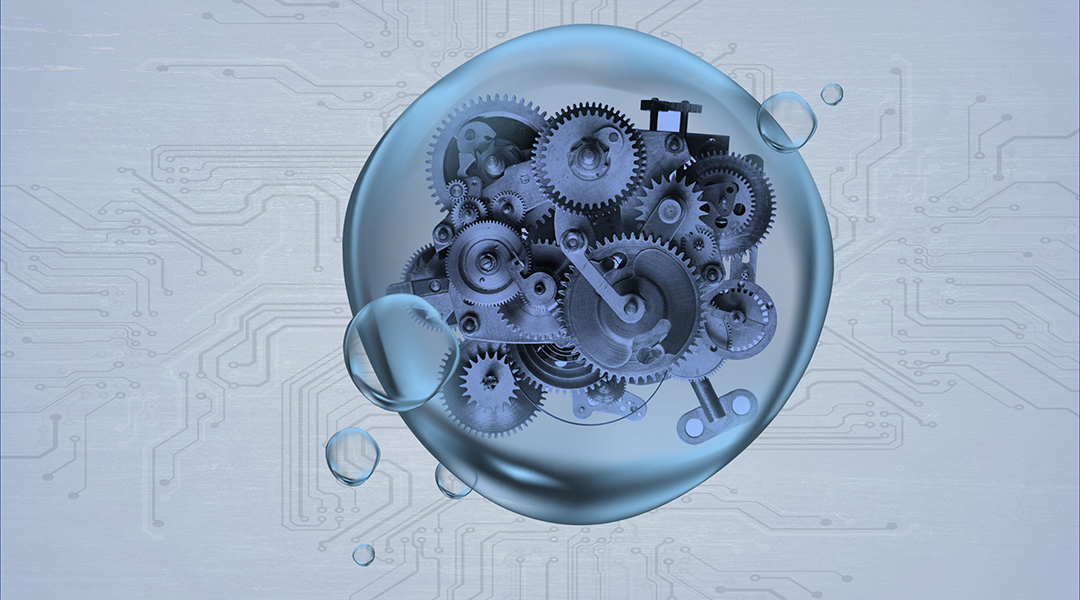
Artificial cells with specialized internal chemistries could revolutionize how we approach precision medicine.
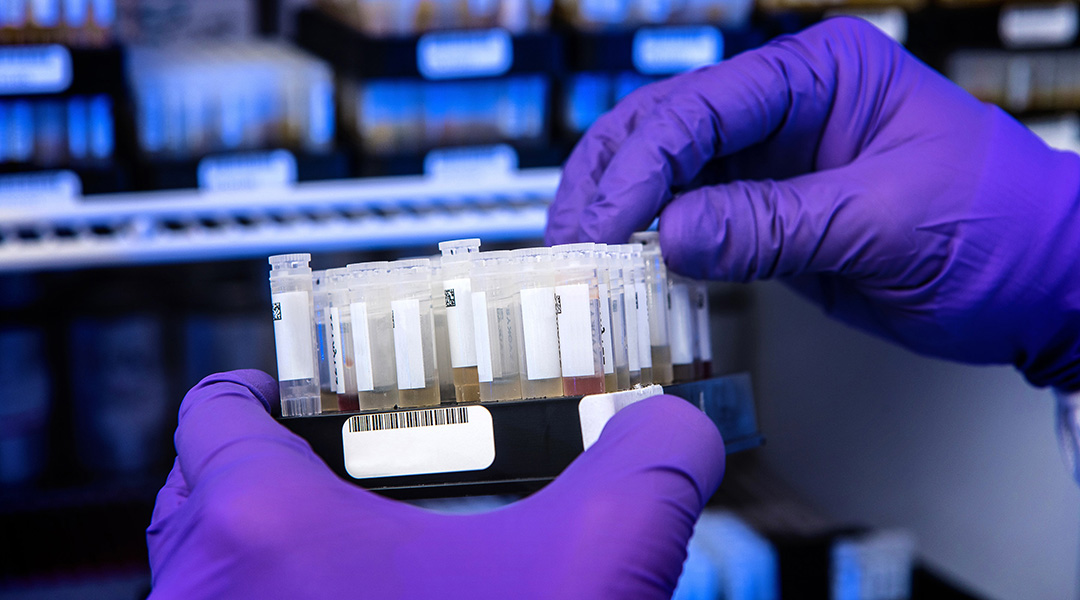
Three potent antibodies against SARS-CoV-2 identified in healthy individuals decades ago raises interesting questions about their origins and evolution.
 New theory suggests gravity is not a fundamental force
 Higgs boson may be driving the Universe’s expansion
 Water-powered gadgets may be on the horizon thanks to new evaporation-based energy device
 Scientists discover a new class of antibiotics
 Micron-sized hidden dimensions could solve two of physics’ deepest puzzles
 A new type of dark matter could explain mysterious radiation from the Milky Way’s core