Swimming cellbots capable of autonomous motion and drug encapsulation can deliver their payload at desired sites.
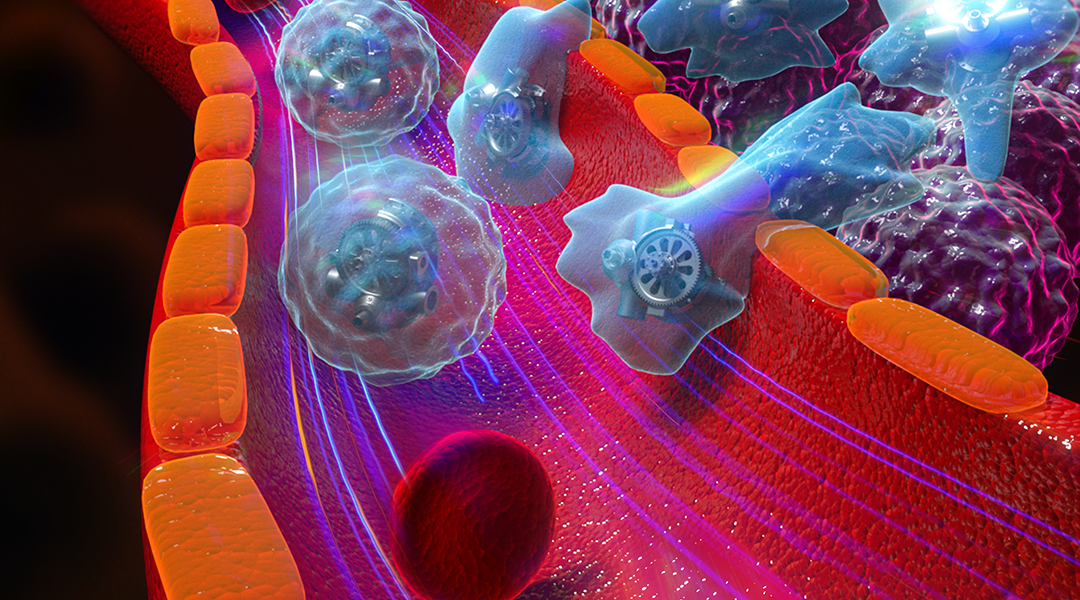

Swimming cellbots capable of autonomous motion and drug encapsulation can deliver their payload at desired sites.
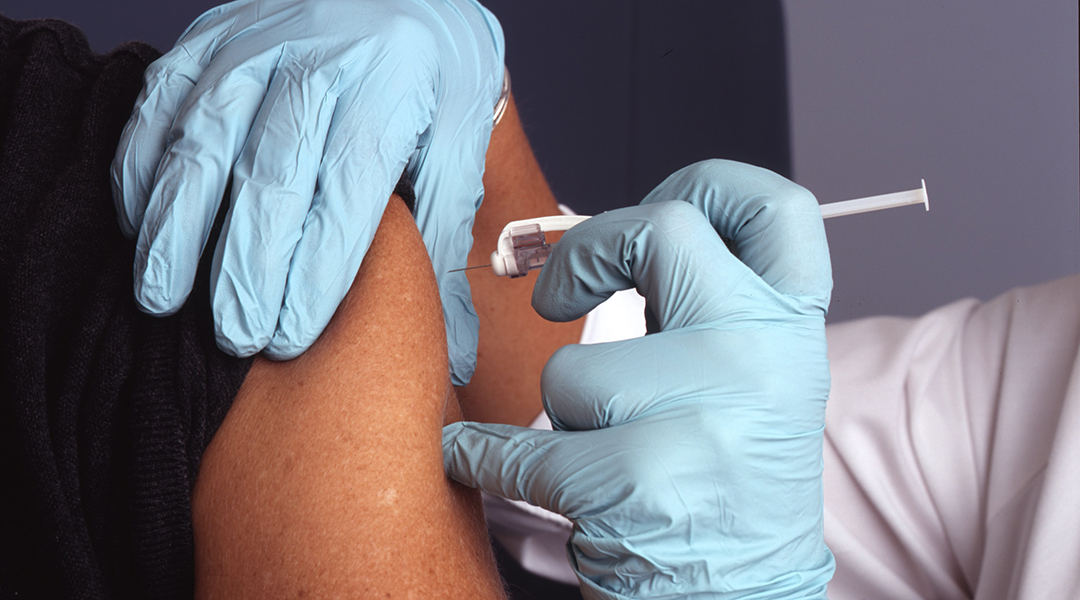
A rare type of antibody found in some individuals could help develop an HIV vaccine to target highly diverse viral strains.

A short course of the drug rapamycin in mice and fruit flies provided anti-aging benefits and an extended lifespan.
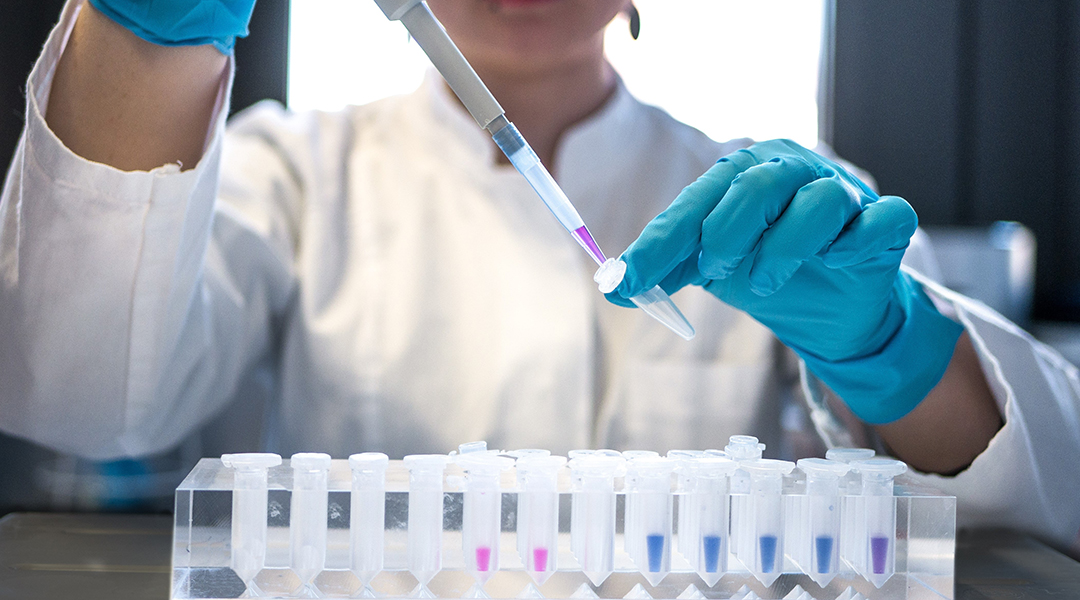
Clumping proteins act as vaccine adjuvants, activating immune signalling pathways triggered by cell stress.
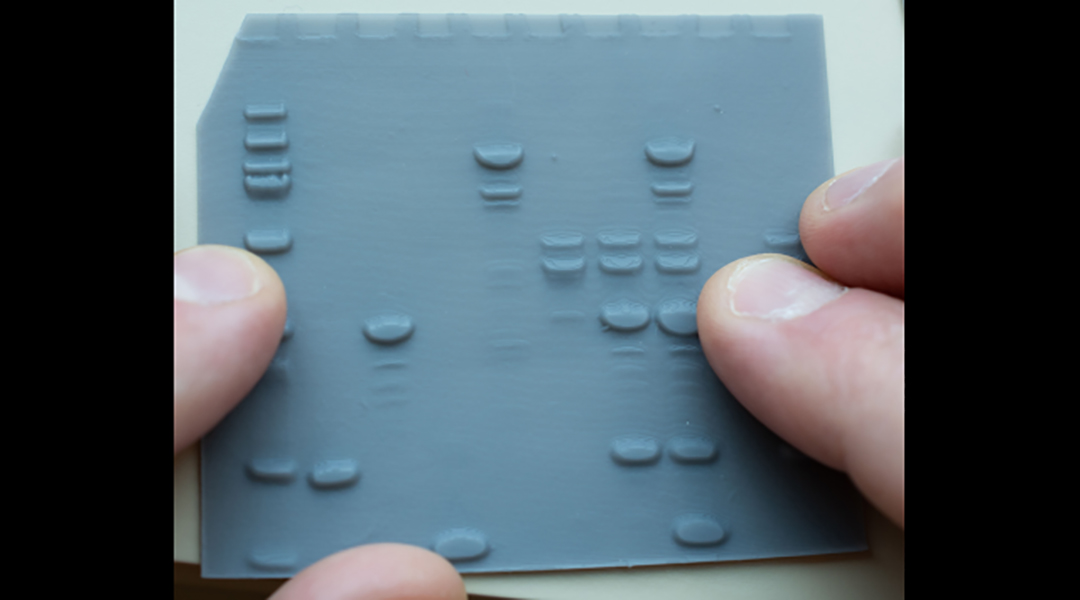
3D-printed lithophanes are helping to democratize science by making data more shareable between sighted and blind scientists.
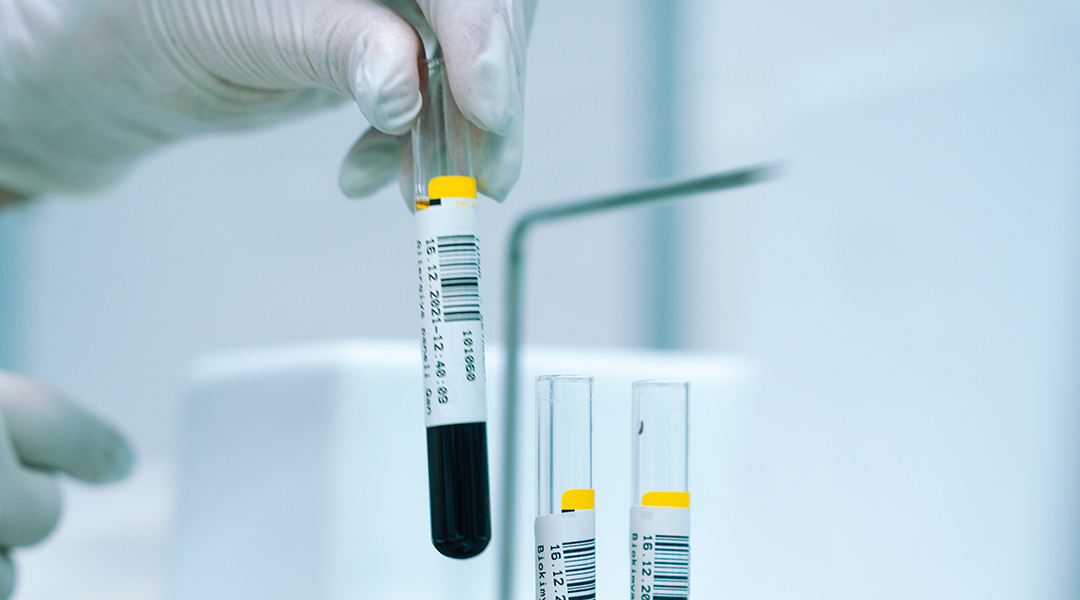
With more research, there is a potential for vaccines to have both adaptive and trained immunity to fight different diseases.

Paleontologist, historian, evolutionary biologist, writer; Stephen Jay Gould sparked a revolution in how scientists view evolution.
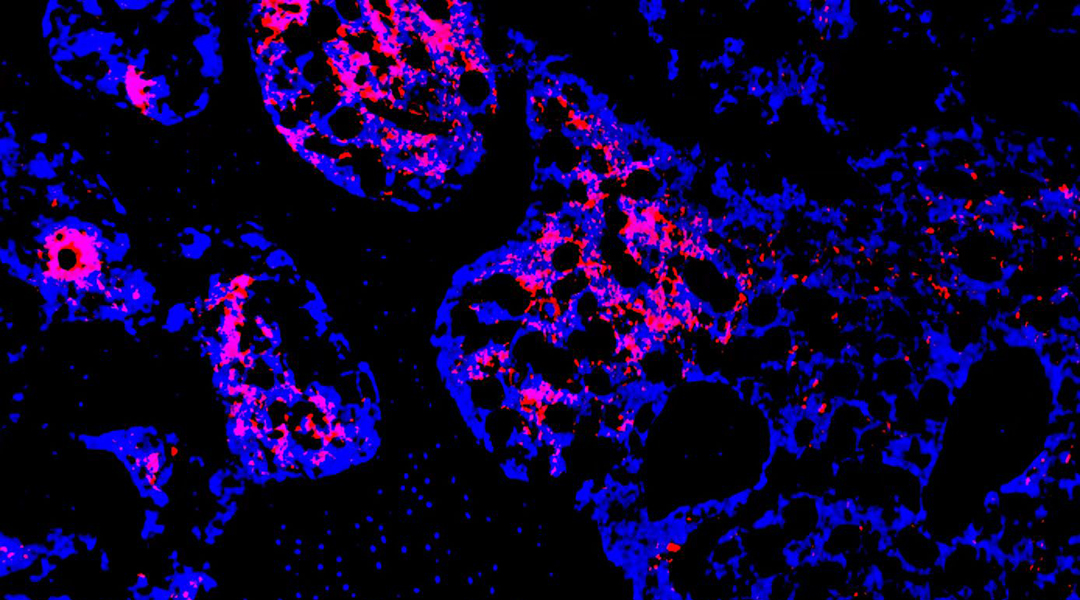
In the lab, a multi-functional hydrogel was shown to not only repair defects but also strengthen bone weakened by osteoporosis.
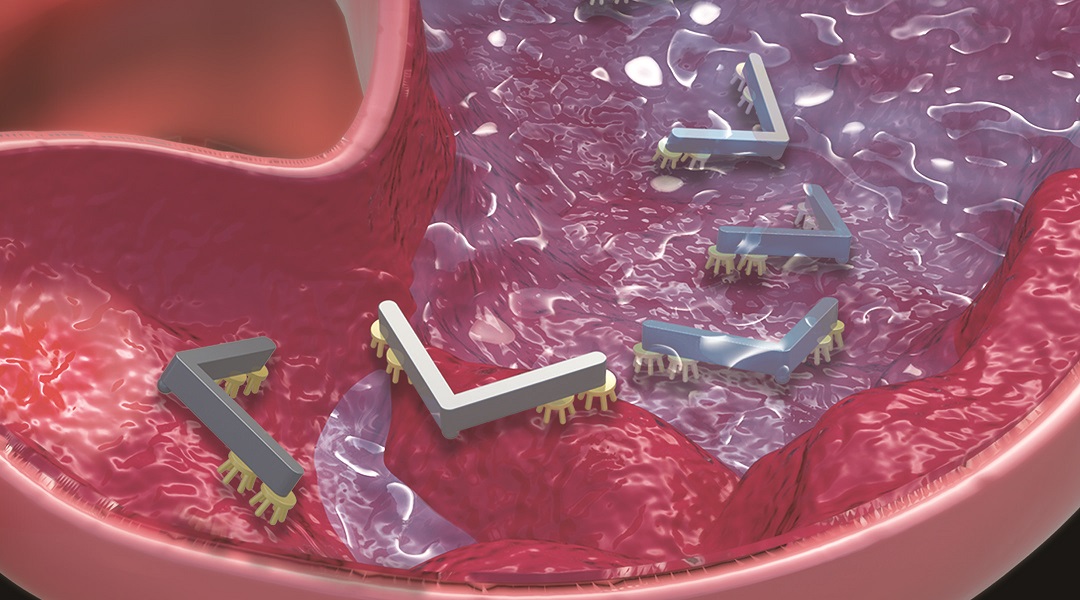
Microrobots dubbed “microwalkers” can both swim and walk, allowing them to transverse challenging biological environments.

Credited as one of the first computer scientists, Ada Lovelace saw the potential of computers a century before any were ever built.
 New theory suggests gravity is not a fundamental force
 Higgs boson may be driving the Universe’s expansion
 Water-powered gadgets may be on the horizon thanks to new evaporation-based energy device
 Scientists discover a new class of antibiotics
 Micron-sized hidden dimensions could solve two of physics’ deepest puzzles
 A new type of dark matter could explain mysterious radiation from the Milky Way’s core