To power next generation chip based medical implants, power sources need to be miniscule and perpetual.
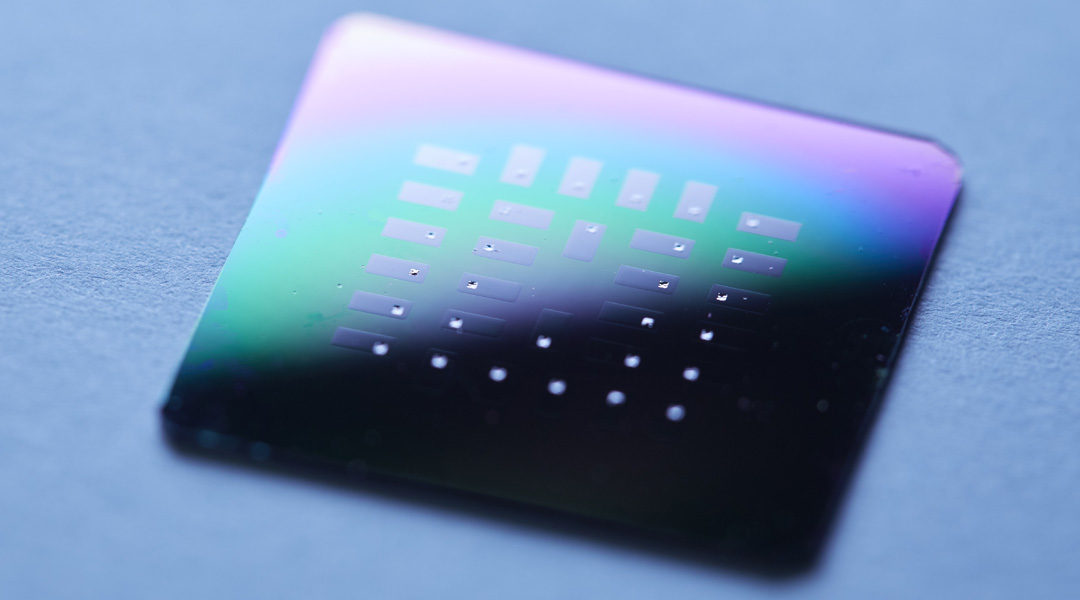

To power next generation chip based medical implants, power sources need to be miniscule and perpetual.

Low levels of socialization are sufficient in maintaining typical behavior and brain development in bumblebees.

A smart electronic nose that mimics the human nose with its millions of receptor cells and ability to differentiate smells.
Brains of mice controlled using light-emitting nanoparticles in a proof-of-concept study to show wireless neuromodulation.
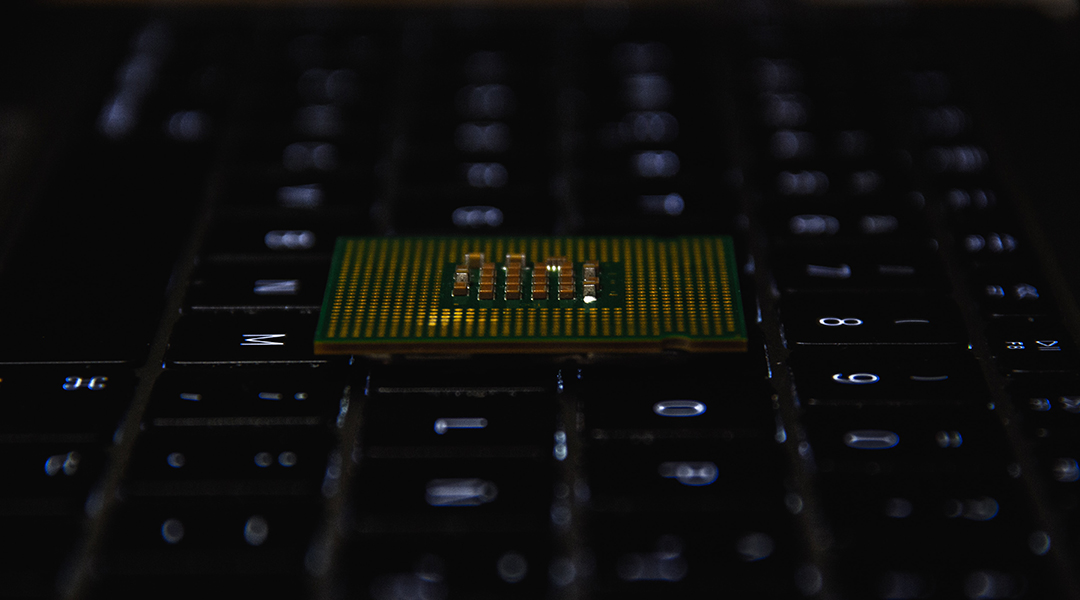
An in-memory computing prototype provides a promising solution for edge computing systems to implement continual learning.
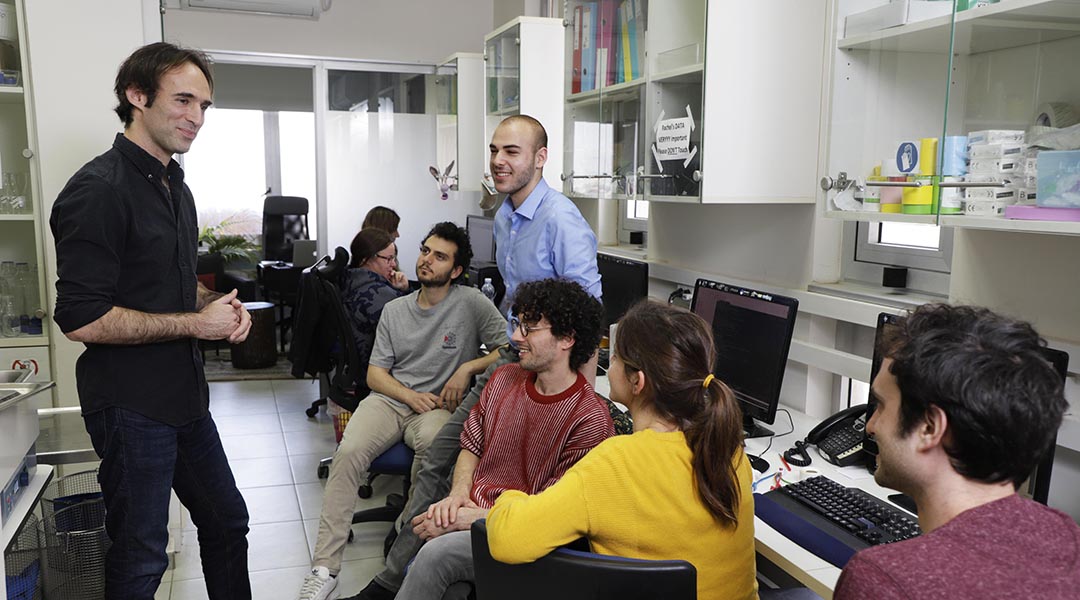
Neurobiologist Oded Rechavi investigates epigenetics, a curative use for brain parasites, and helped piece together the Dead Sea Scrolls using DNA.
Memristor-based sensing devices generate biological-like electrical signals that mimic those found in the brain for better computing.
A new approach to in-memory computing proposes a new set up to create an artificial synapse that can both store and process data.
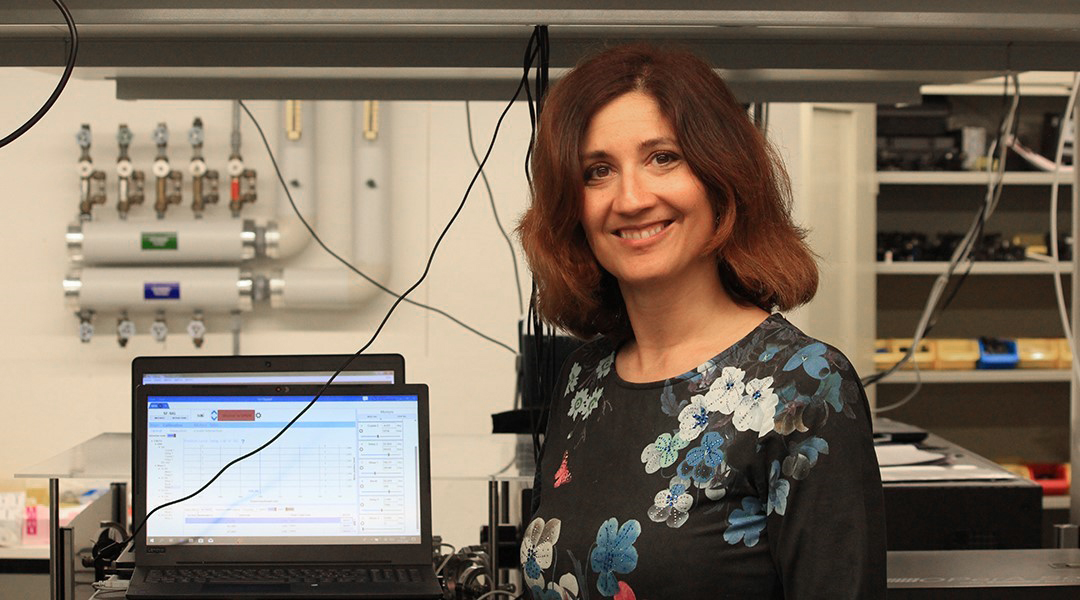
At the interface of light and matter, Natalie Banerji is using spectroscopy to advance technologies such as solar cells and bioelectronics.
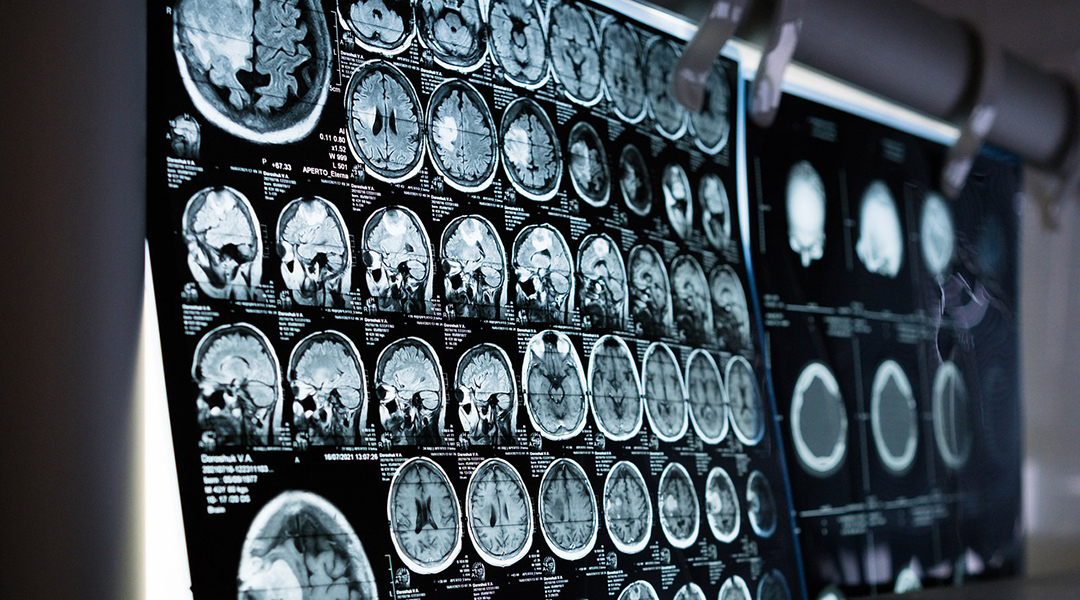
Researchers in Shanghai report a potential therapeutic based on Prussian blue to tackle Parkinson’s disease.
 New theory suggests gravity is not a fundamental force
 Higgs boson may be driving the Universe’s expansion
 Water-powered gadgets may be on the horizon thanks to new evaporation-based energy device
 Scientists discover a new class of antibiotics
 Micron-sized hidden dimensions could solve two of physics’ deepest puzzles
 A new type of dark matter could explain mysterious radiation from the Milky Way’s core