The interplay between the hormones oxytocin and cortisol in regulating emotion and behavior depends on context and familiarity, new study finds.


The interplay between the hormones oxytocin and cortisol in regulating emotion and behavior depends on context and familiarity, new study finds.
A pathway in the brain that forms its natural stress response could be used to make new treatments for anxiety.
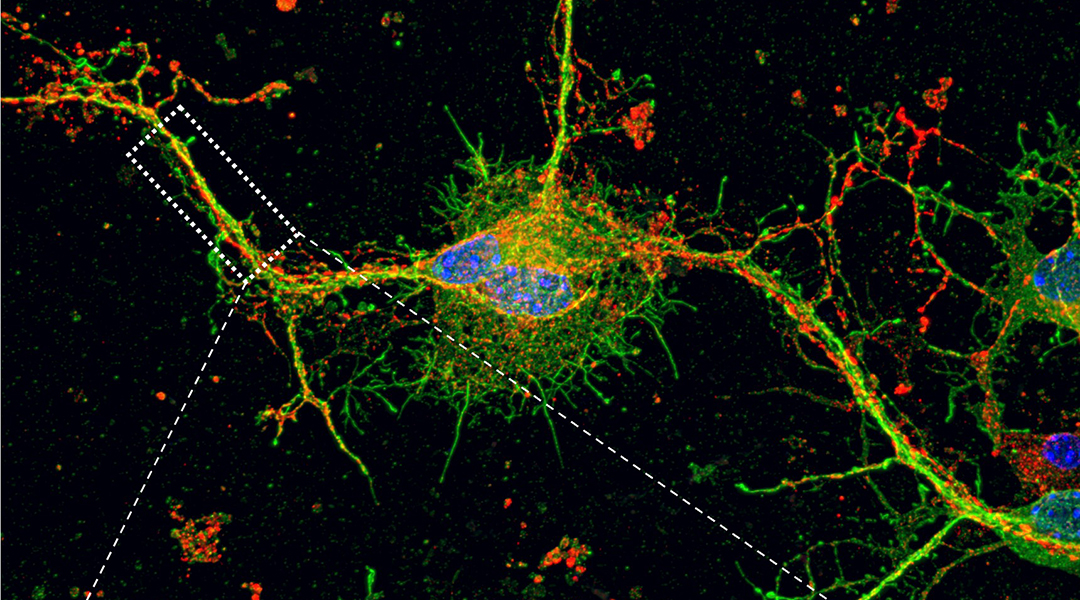
High levels of nitric oxide, a signaling chemical in the brain, appear to contribute to the behavioral deficits observed in autism.

Mimicking a part of the inner ear, a specialized hearing device converts vibrations into nerve signals without needing a battery.
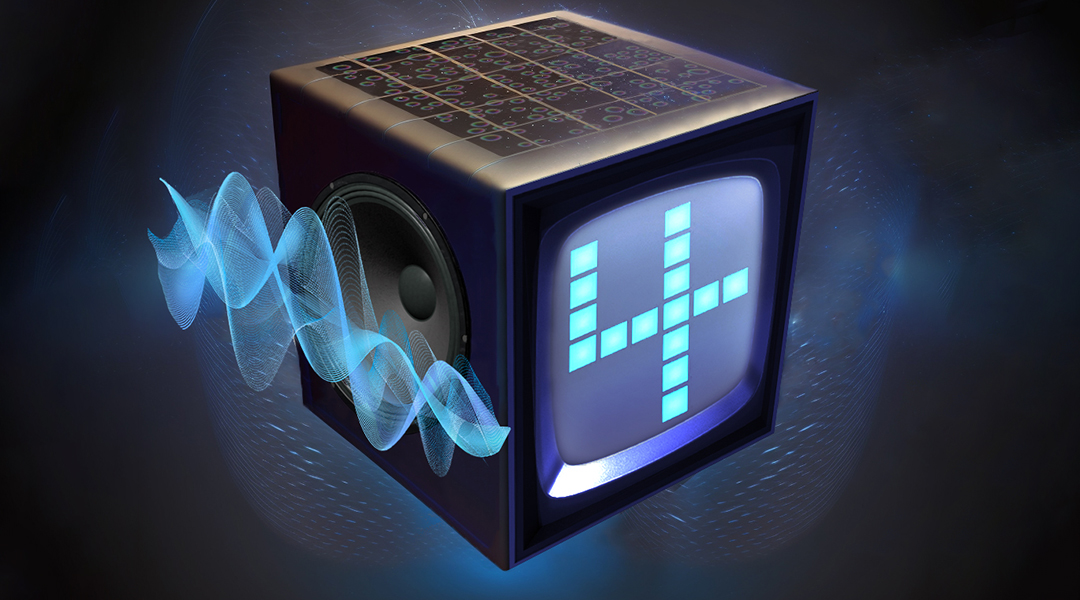
A thin film composed of small magnetic whirls called skyrmions performs voice pattern recognition with an accuracy approaching 99%.
An implantable hybrid device combines the benefits of two therapeutic approaches to help repair nerve damage.
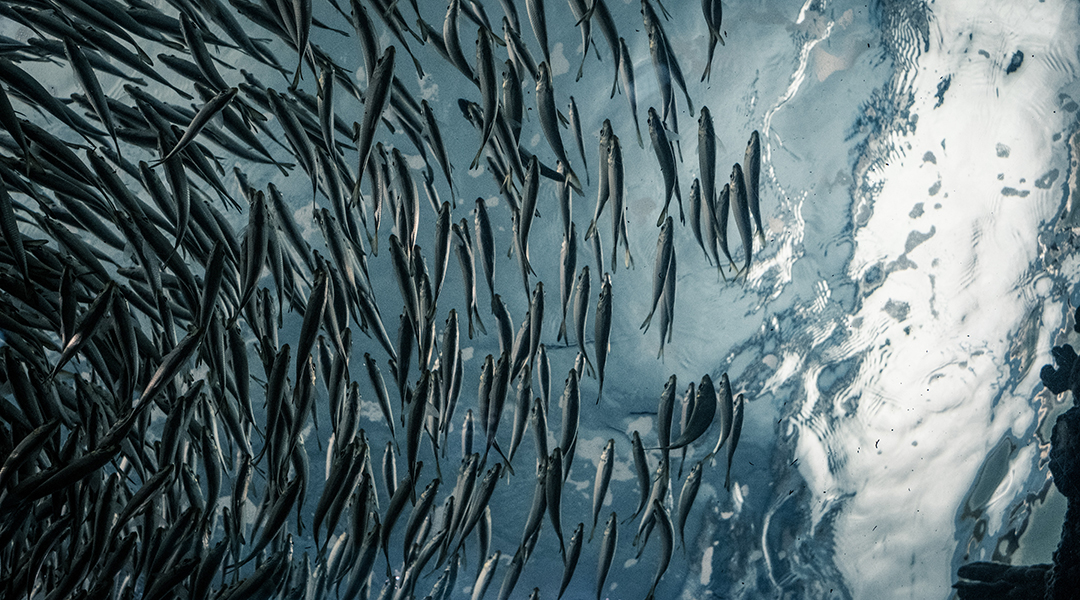
Fish adjust their sensitivity to the actions of others, such reacting to false alarms, to reduce the risk of responding to misinformation.
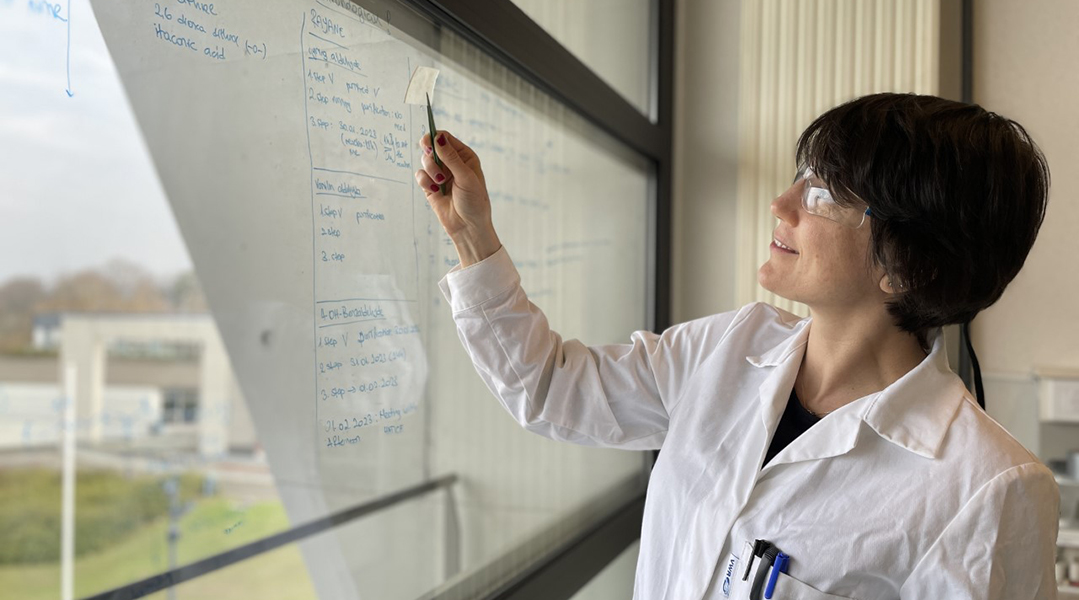
Chemist Hatice Mutlu applies zero-waste methods to create biodegradable polymers that can be used perpetually.
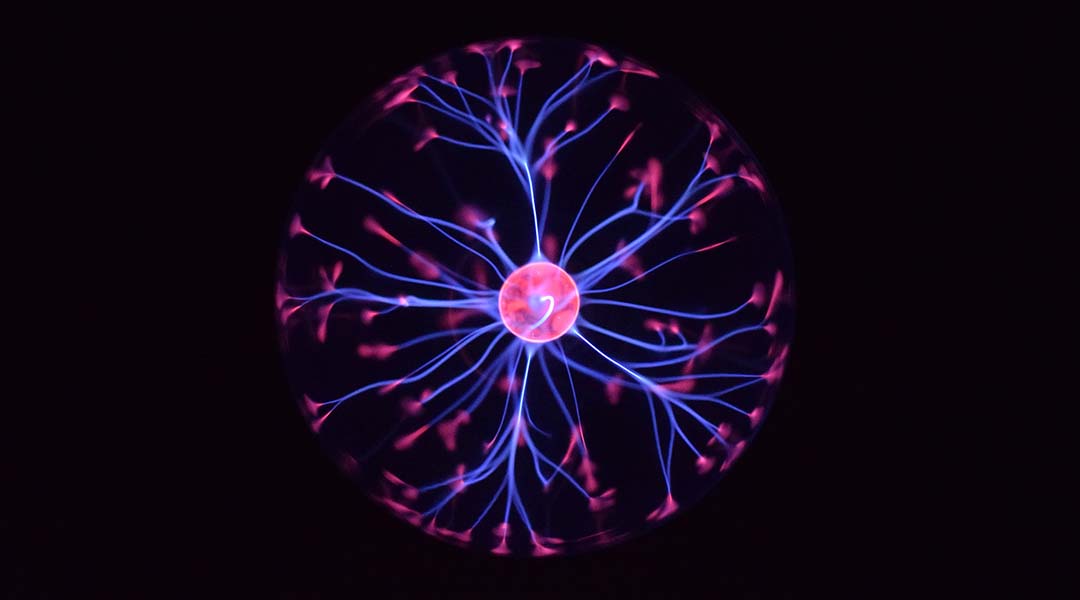
To make computers faster and more efficient, scientists are using the brain as a model in this blossoming area of computer science.
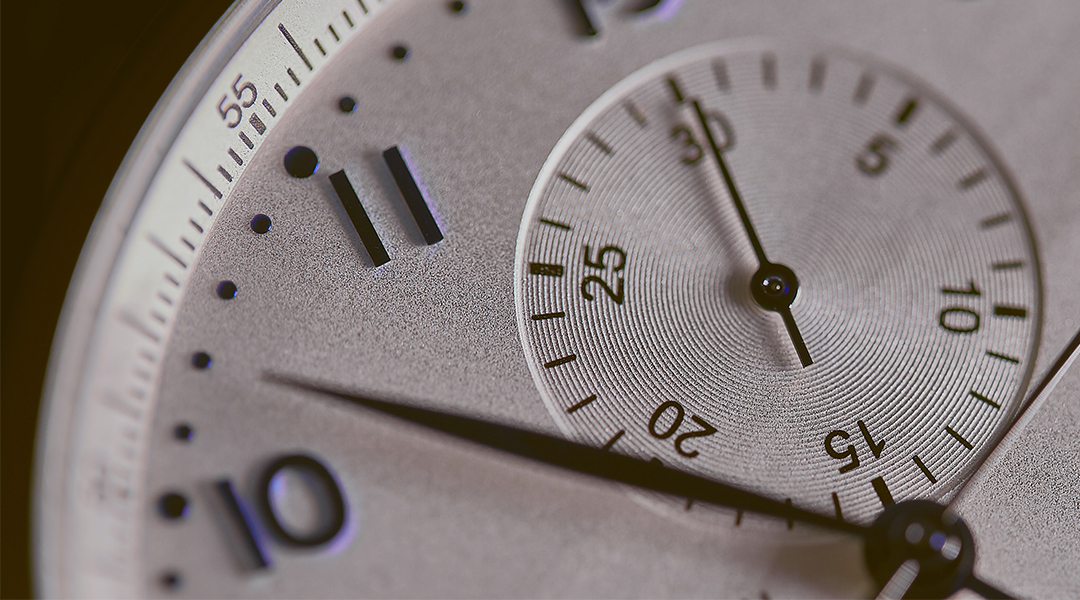
New research suggests that pre-kindergarteners perceive time differently from adults and school-age children.
 New theory suggests gravity is not a fundamental force
 Higgs boson may be driving the Universe’s expansion
 Water-powered gadgets may be on the horizon thanks to new evaporation-based energy device
 Scientists discover a new class of antibiotics
 Micron-sized hidden dimensions could solve two of physics’ deepest puzzles
 A new type of dark matter could explain mysterious radiation from the Milky Way’s core