Device monitors microcystin-LR, a cyanobacterial toxin, in sources of drinking water supplies using carbon nanotube arrays.
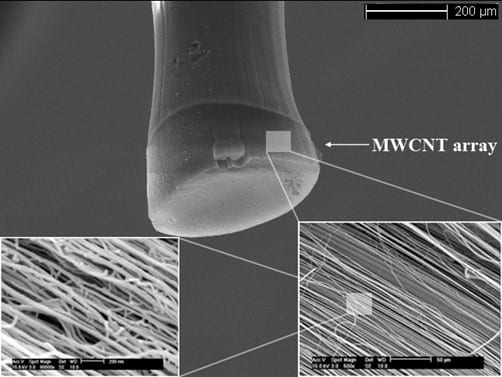

Device monitors microcystin-LR, a cyanobacterial toxin, in sources of drinking water supplies using carbon nanotube arrays.
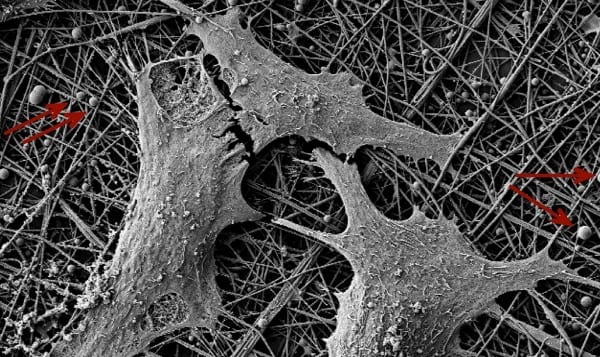
A research team have loaded microgels onto a nanofiber scaffold to combat bacterial infection during tissue regeneration procedures.
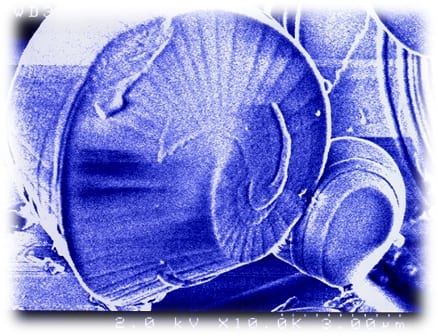
How much does materials science stand to gain from Nature? Professor Ozin gives his take on the progress of biomimetics.
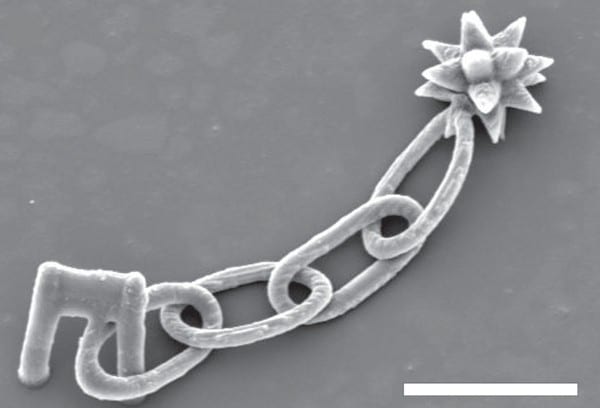
A new MPL reagent, which its creators dub “protogel”, is allowing researchers to create exciting new 3D microstructures.
Professor Ozin looks back at the predictions for the field of nanochemistry he made 20 years ago; where has nanotechnology gone since?
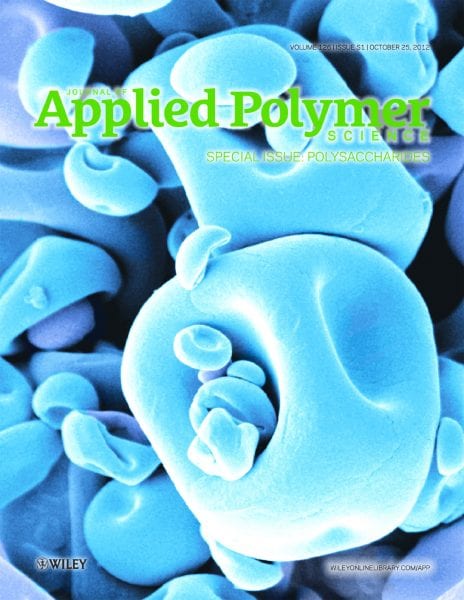
From materials to applications, the Journal of Applied Polymer Science showcases the vast potential of polysaccharides.
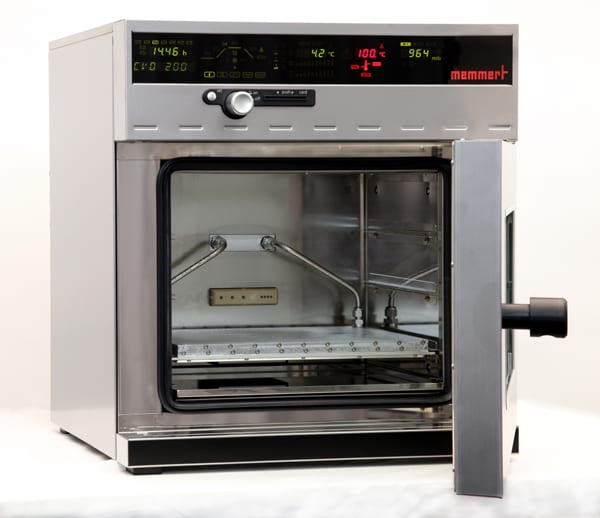
Memmert has developed a cooled vacuum oven with a temperature range from +5°C to +90° for low temperature vacuum drying on a laboratory scale.
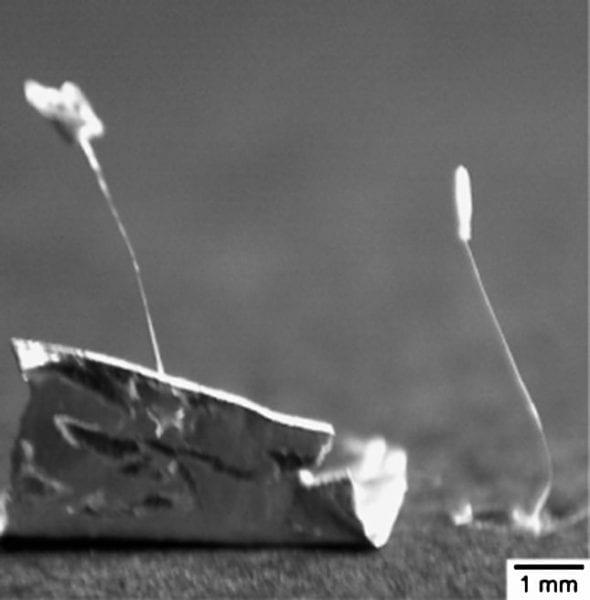
Researchers imitate the egg stalks of lacewings to develop new material.
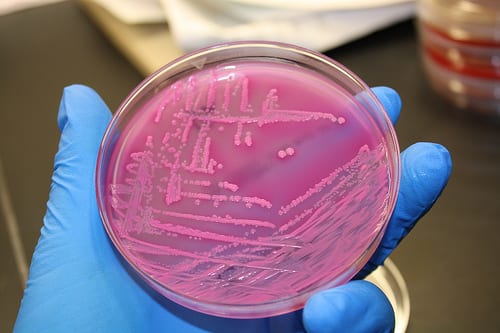
New disinfectants fight E. coli and related strains using metal-organic frameworks, leading to fewer by-products and increased efficiency.
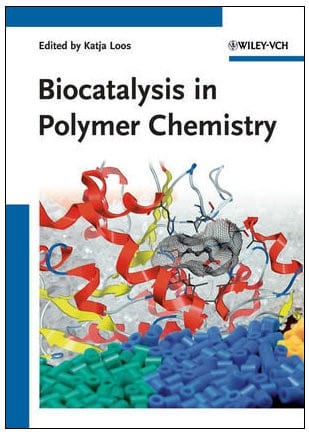
Nico Bruns from the Department of Chemistry of the University of Basel reviews Biocatalysis in Polymer Chemistry, edited by Katja Loos.
 New theory suggests gravity is not a fundamental force
 Higgs boson may be driving the Universe’s expansion
 Water-powered gadgets may be on the horizon thanks to new evaporation-based energy device
 Scientists discover a new class of antibiotics
 Micron-sized hidden dimensions could solve two of physics’ deepest puzzles
 A new type of dark matter could explain mysterious radiation from the Milky Way’s core