A well-based microfluidic device allows researchers to generate important data that are needed to better understand the parameters that influence evolution in bacteria to combat antibiotic resistance.


A well-based microfluidic device allows researchers to generate important data that are needed to better understand the parameters that influence evolution in bacteria to combat antibiotic resistance.
Here we take a look at how CRISPR, the revolutionary “molecular scissors”, works and where its being used.
New evidence suggests a hidden “intelligence” of a life-sustaining pathway.

Pre-folded bioadhesive patches could be the future for sealing wounds after keyhole surgery.

Demoted from her tenure track position in the mid 90s, Katalin Karikó persisted with her research into RNA therapeutics and is now senior vice president of BioNtech.
Nvel tuberculosis vaccine demonstrated strong immune response in mice.
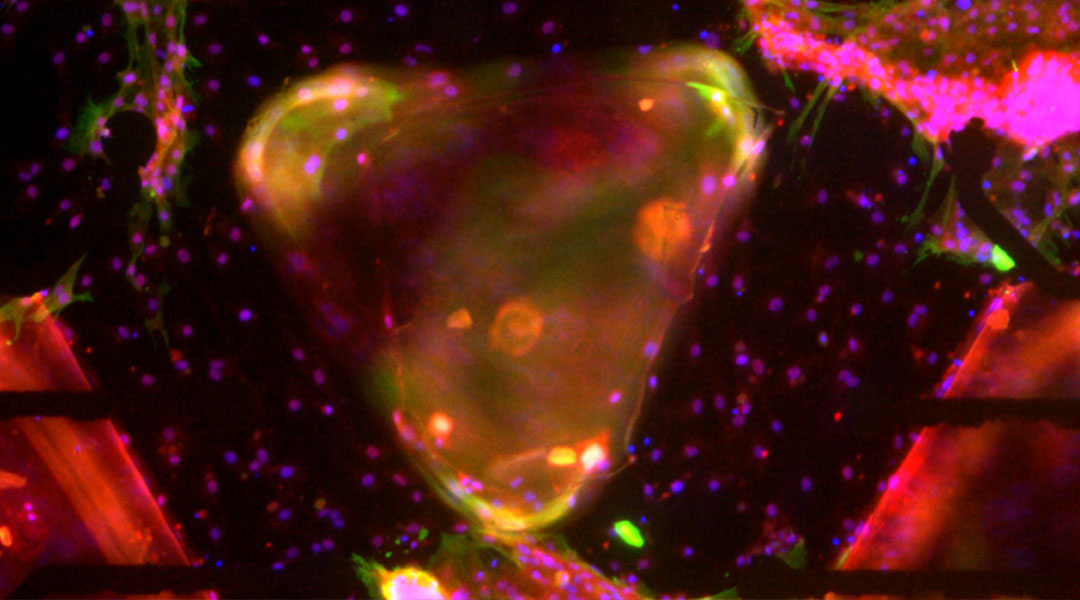
Researchers build the first biocomputers from heart cells and demonstrate their ability to perform complex computational tasks.
The first digital CRISPR/Cas‐assisted assay that can detect SARS‐CoV‐2 in under 30 minutes.
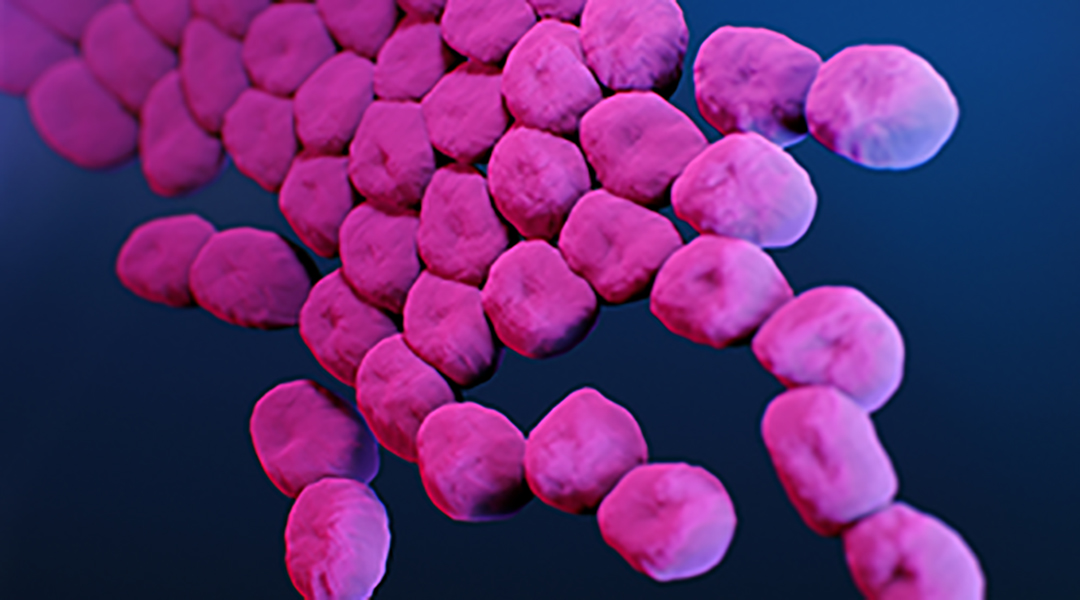
Scientists investigated phages that can kill the world’s leading superbug, Acinetobacter baumannii, which is responsible for up to 20% of infections in intensive care units.
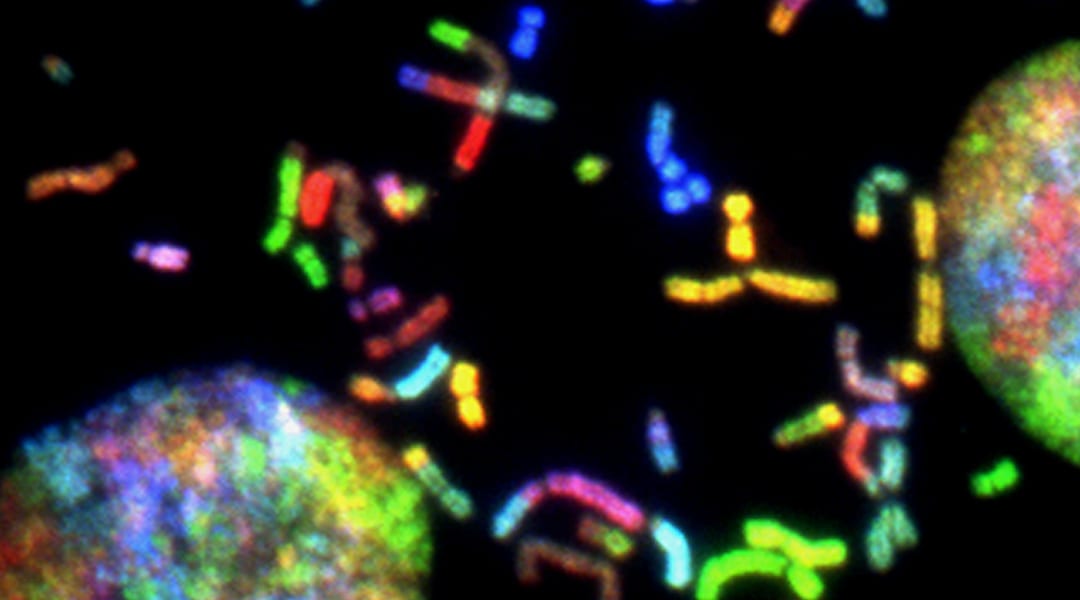
A new computational technique allows researchers to model biological processes with better accuracy and at a lower computational cost.
 New theory suggests gravity is not a fundamental force
 Higgs boson may be driving the Universe’s expansion
 Water-powered gadgets may be on the horizon thanks to new evaporation-based energy device
 Scientists discover a new class of antibiotics
 Micron-sized hidden dimensions could solve two of physics’ deepest puzzles
 A new type of dark matter could explain mysterious radiation from the Milky Way’s core