Magnetic hydrogel micromachines break up biofilms and release antibiotics, combating biofilm infections associated with medical devices.
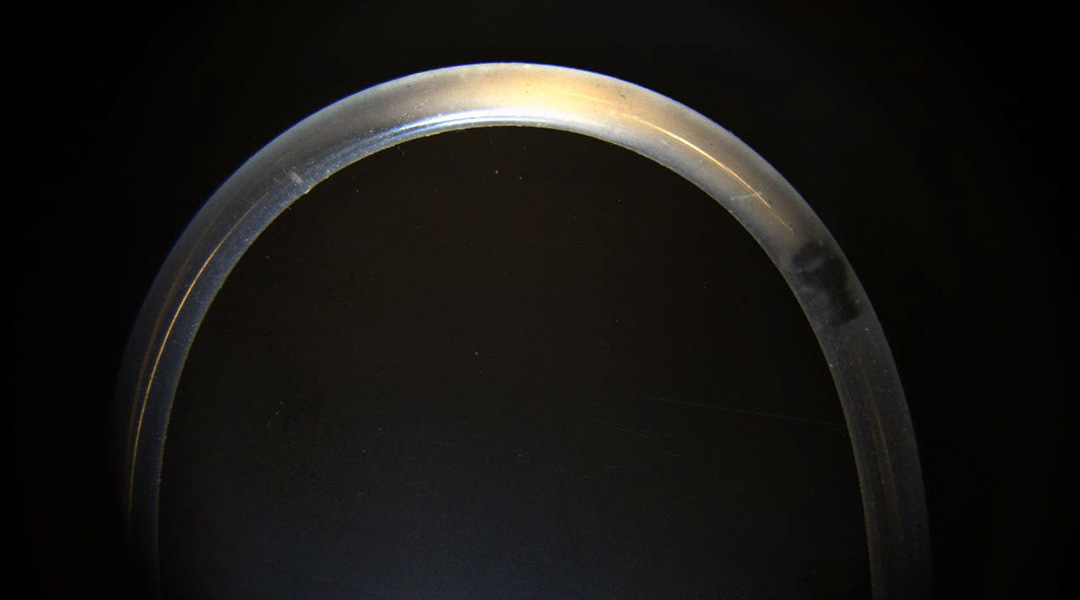

Magnetic hydrogel micromachines break up biofilms and release antibiotics, combating biofilm infections associated with medical devices.
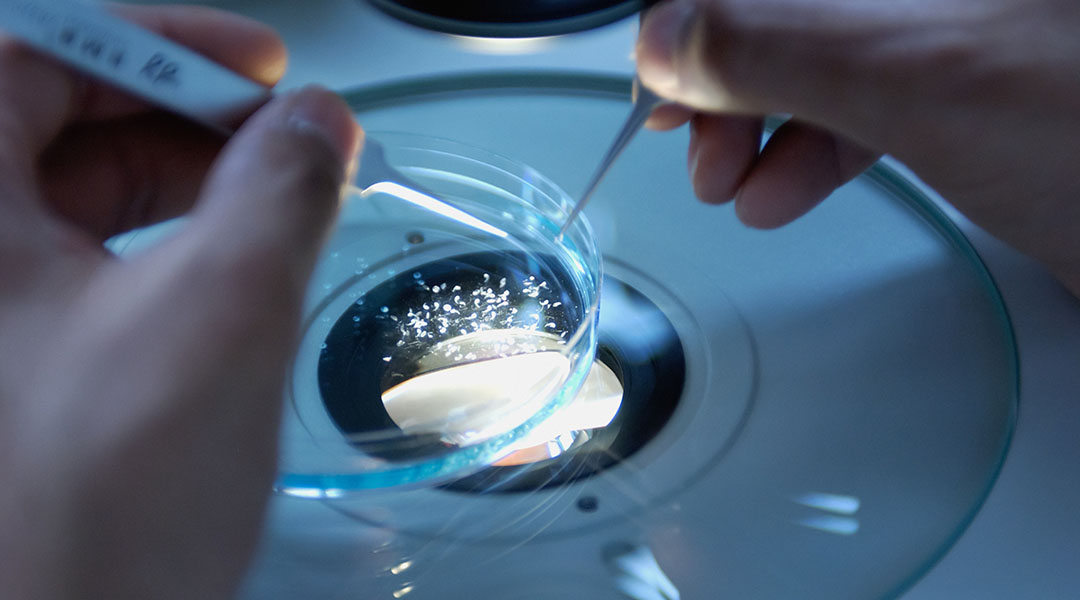
Bacteria residing inside tumors provide a surprisingly powerful immunotherapy platform to combat different cancers.
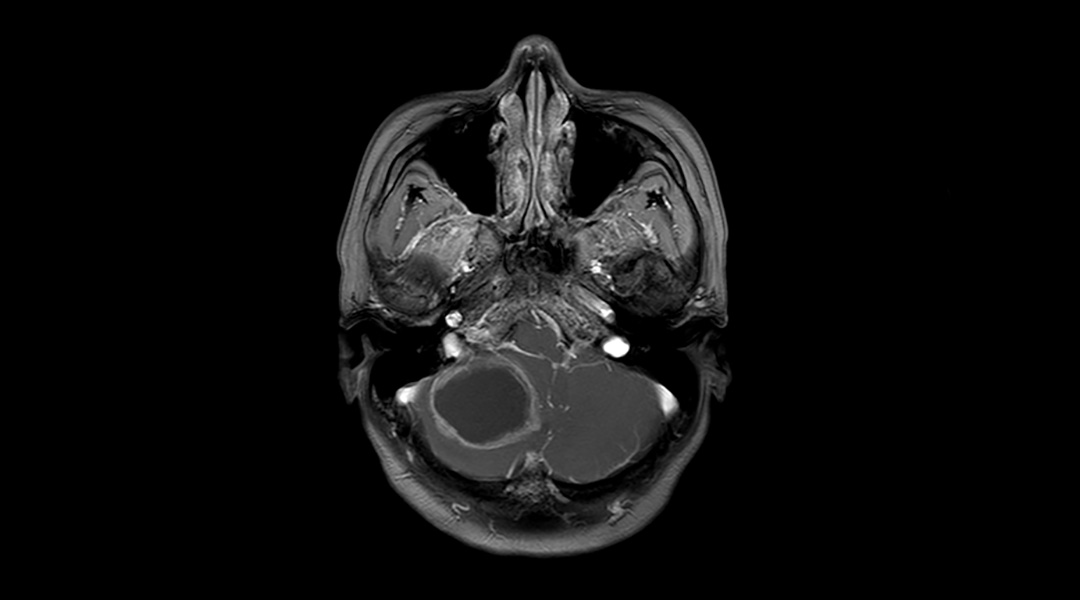
Inspired by brain-invading bacteria, researchers have created nanocapsules that covertly shuttle drugs across the blood–brain barrier.
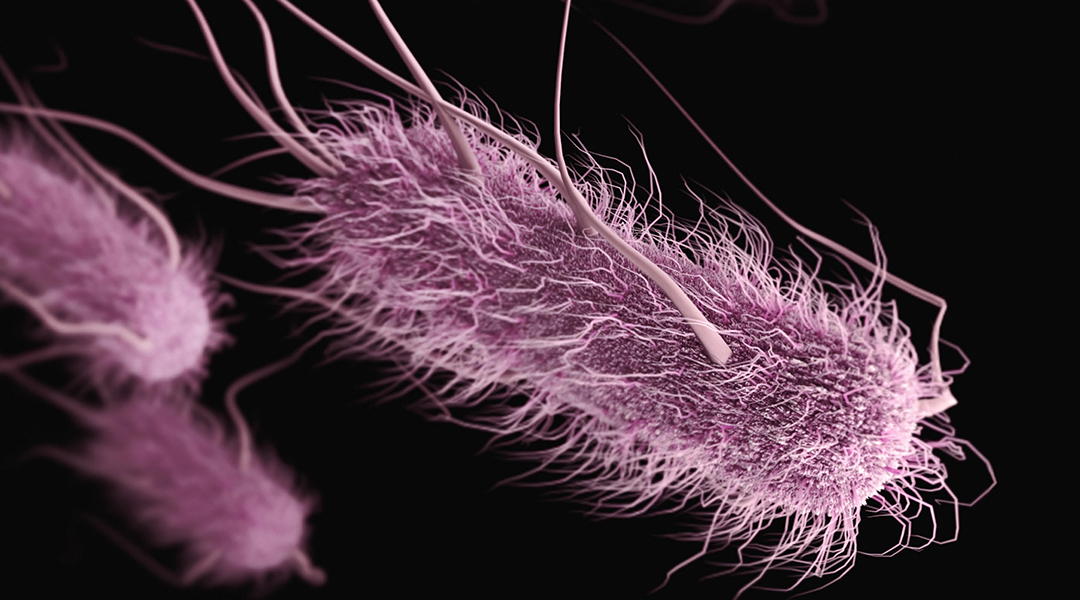
Incorporating polymer skeletons inside bacteria stops them from replicating and results in cyborg cells that are half living, half artificial.
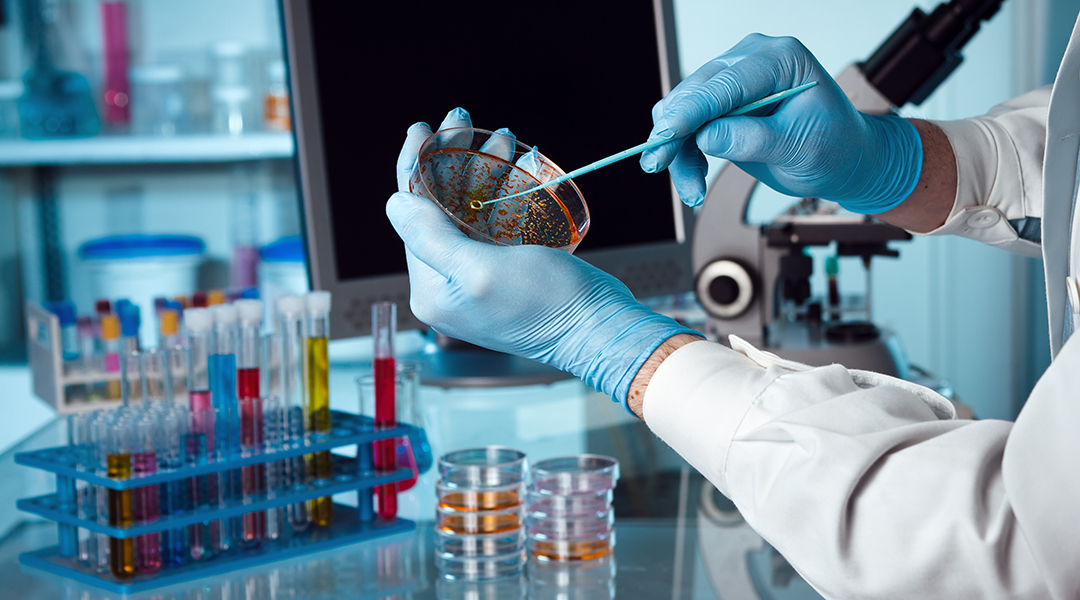
An extensive database will help scientists better understand the link between our gut microbiota and depression to inform new, tailored therapies.
Implants containing cyanobacteria help produce oxygen within heart tissue to repair damage done after a heart attack.
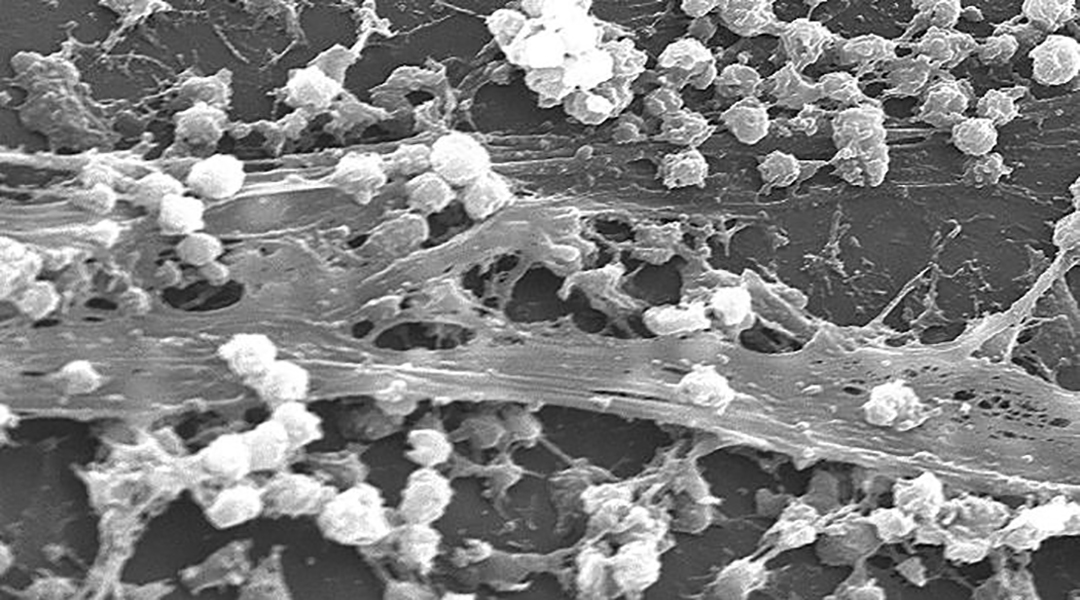
A new antibacterial surface treatment could help improve the safety of medical devices by minimizing the risk of infection during their use.
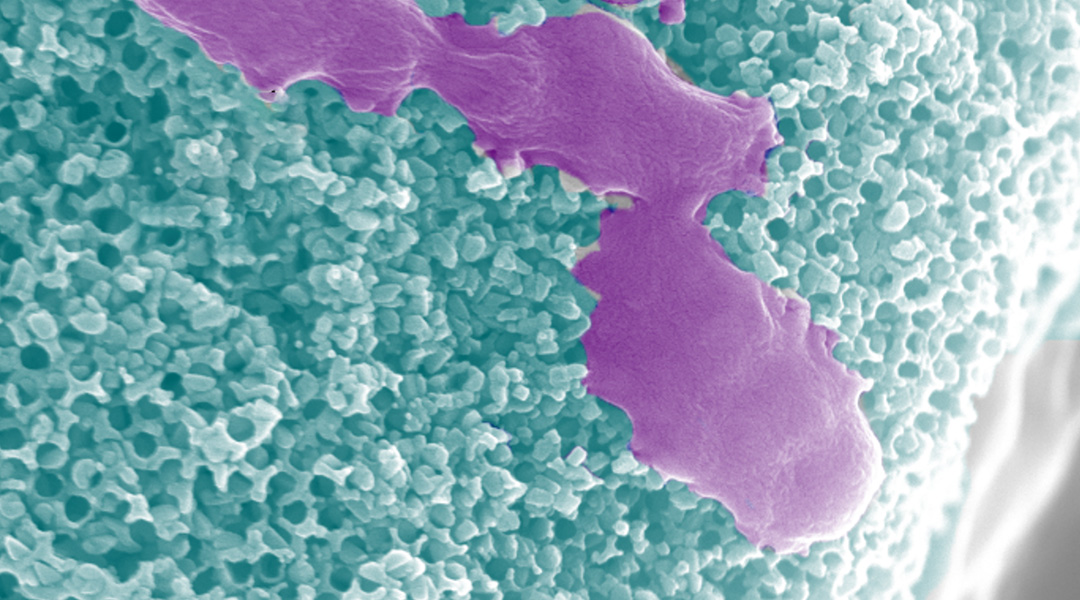
Hybrid microrobots harvest chemical energy from their environment for self-propulsion while releasing reactive species to kill bacteria.
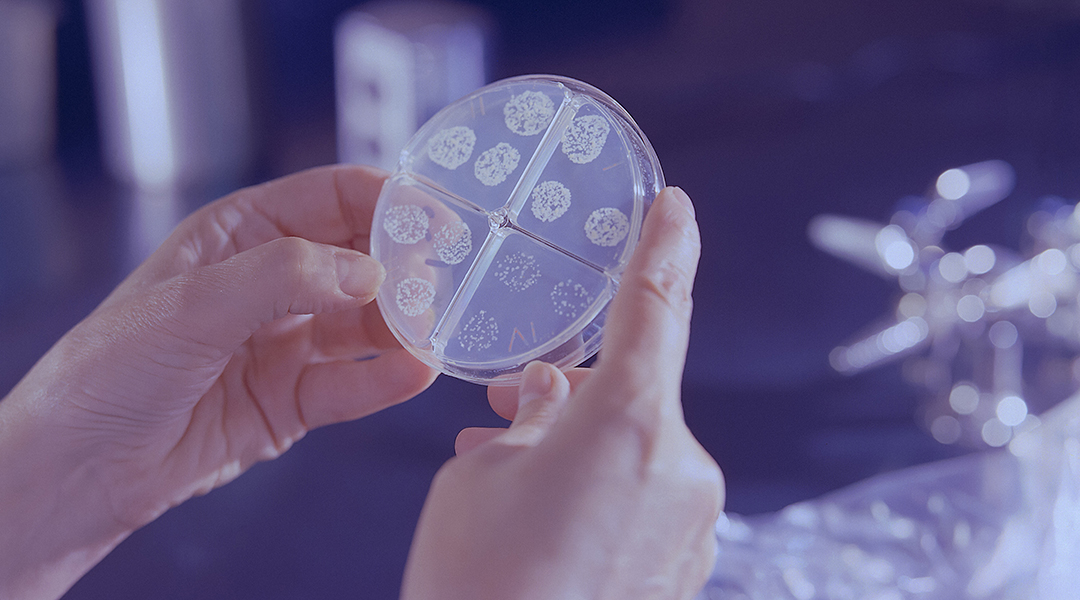
RNA thermometers help regulate bacterial infection and targeting them might be a way toward fighting antibiotic resistance.
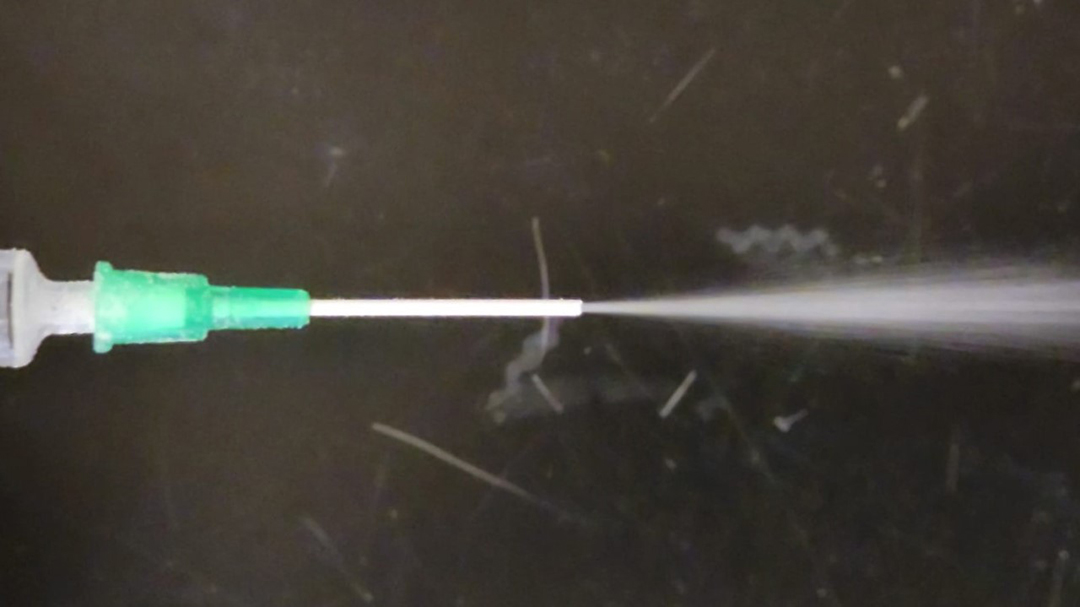
Researchers hope that commercially available inhalers could be used to deliver novel treatment to infected lungs.

 Microneedles enable 98% smaller, cheaper artificial pancreas
 Machine learning identifies anti-aging neuroprotective treatments
 Teaching machines to quiet the noise in quantum computers
 3D printed scaffolds bring artificial bone closer to reality
 Scientists build living ‘neurobots’ that grow their own neural networks
 Nature-inspired coating repels both water and ice