
Ultrathin, flexible optoelectronic devices – including LEDs the size of individual neurons – are lighting the way for scientists in optogenetics and beyond.
Technology

Optical circuits from polycrystalline diamond
Pernice group at KIT use polycrystalline diamond for the fabrication of wafer-based optomechanical circuits.

Single-atom germanium films could advance electronics research
Thin germanium films, with properties similar to graphene, could lead to lighter, faster electronics.
Intermolecular Joins SEMATECH’s Lithography and Front End Processes Programs
Companies have agreed to co-develop new methods to reduce overall cost of ownership for Extreme UltraViolet and lithography.
Researchers take a step towards optical transistors
McGill researchers demonstrate new way to control light in semiconductor nanocrystals.
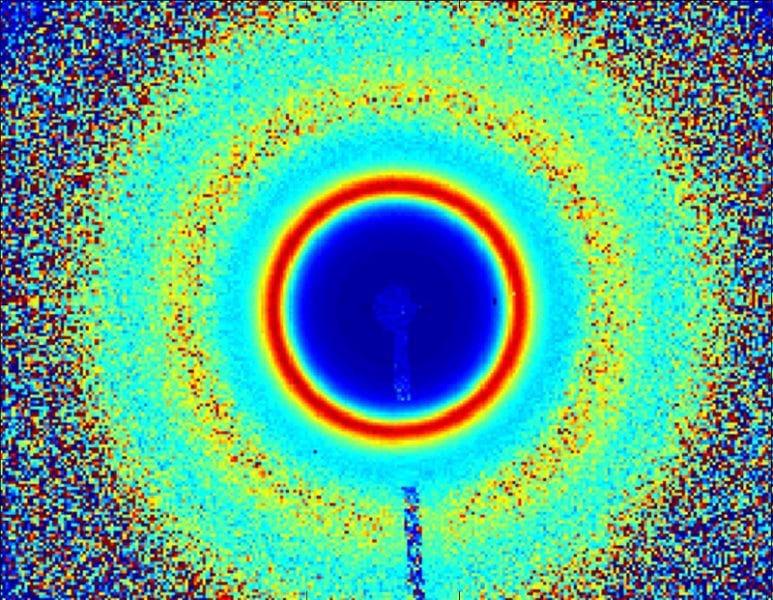
New work uncovers coexisting structures in glass
Researchers establish missing link between mechanical and structural properties of glass.

New foaming technology for PU mouldings using carbon dioxide
New IKV foaming process reduces part density and is more environmentally friendly than alternatives.
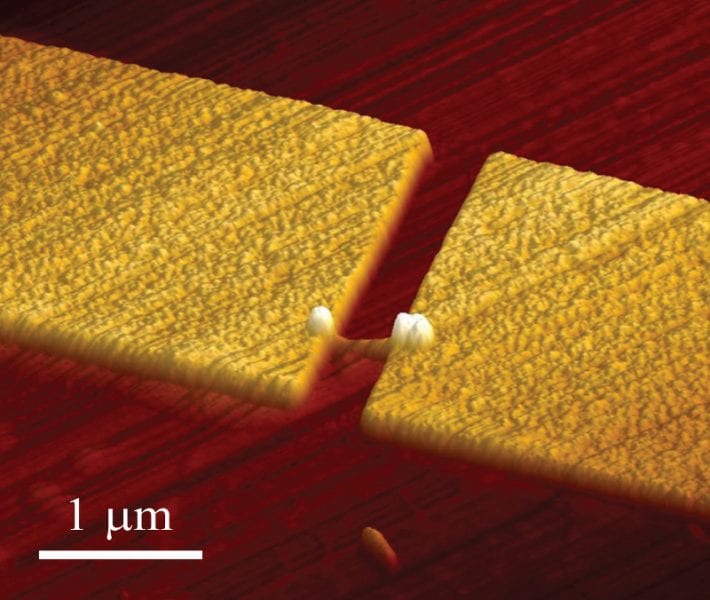
Single-photon emitter will improve quantum cryptography
Researchers have demonstrated a simpler, more efficient single-photon emitter that can be made using traditional semiconductor processing techniques.
Materials enlisted in the fight against bedbugs
New York firm has developed an artificial, micro-fiber spider web to stop bedbugs, termites and other pests without the use of harmful and toxic chemicals.
Breakthrough in X-ray imaging of nanotechnology
A team of researchers has made a major breakthrough in measuring the structure of nanomaterials under extremely high pressures.
Popular
-
 New theory suggests gravity is not a fundamental force
-
 Higgs boson may be driving the Universe’s expansion
-
 Water-powered gadgets may be on the horizon thanks to new evaporation-based energy device
-
 Scientists discover a new class of antibiotics
-
 Micron-sized hidden dimensions could solve two of physics’ deepest puzzles
-
 A new type of dark matter could explain mysterious radiation from the Milky Way’s core