A new biomaterial for heart tissue regeneration, resembling live cardiac tissue in key characteristics, has been reported.
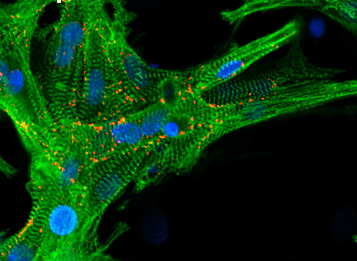

A new biomaterial for heart tissue regeneration, resembling live cardiac tissue in key characteristics, has been reported.
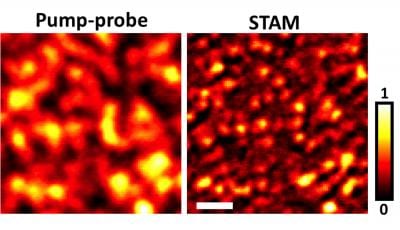
Researchers have found a way to see synthetic nanostructures and molecules using a new type of optical microscopy that does not require fluorescent dyes.
100-nanometer-long “meta-atom” of gold and silicon oxide is capable of straightening and speeding up light waves.
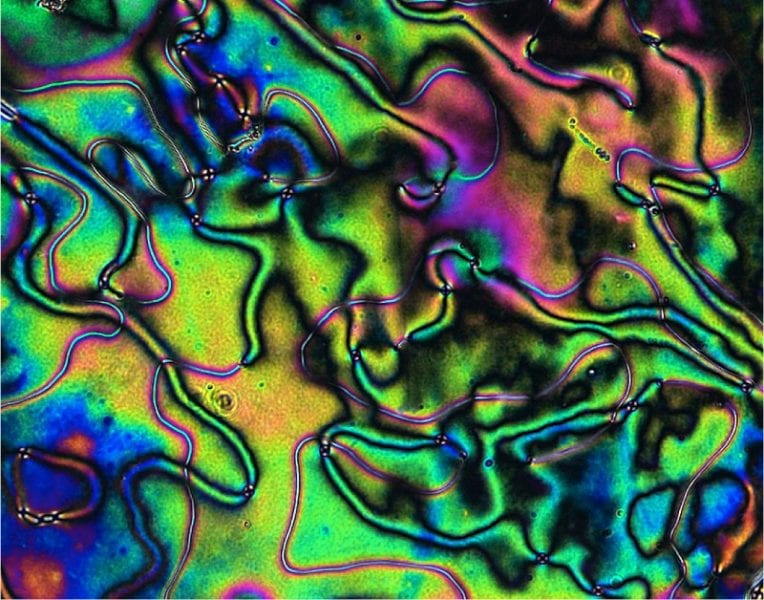
Rice University researchers find that silicone liquid crystals stiffen with repeated compression.
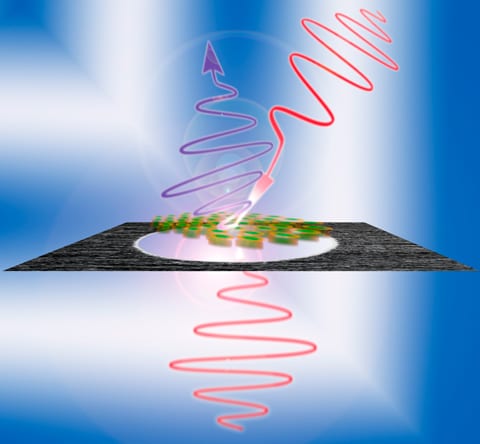
Researchers succeed in generating flashes of extreme ultraviolet radiation via the reflection from a mirror that moves close to the speed of light.
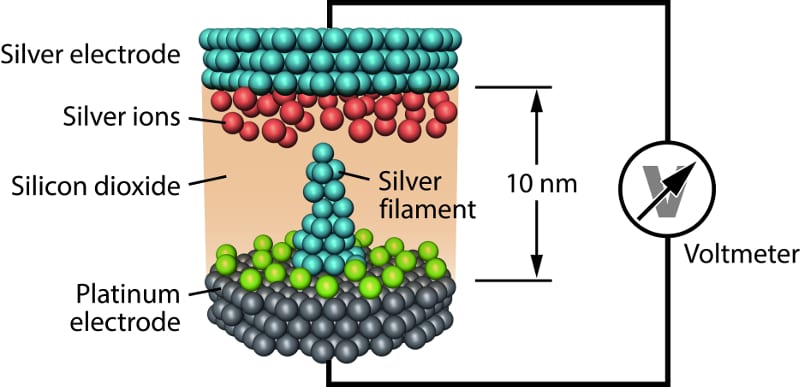
Resistive memory cells open up new possibilities in nanoelectronics.
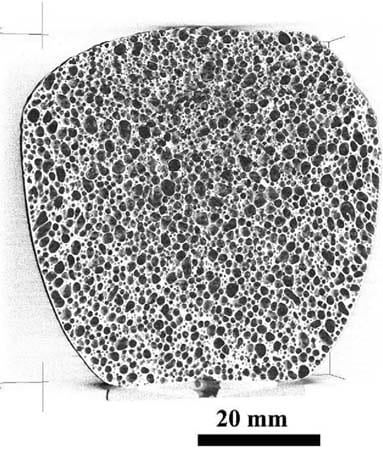
The history, current status and future development of metallic foams is described in a comprehensive review in Advanced Engineering Materials.
Researchers report the application of TRPT and fluorescence lifetime imaging microscopy (FLIM) for heparin sensing and bioimaging.
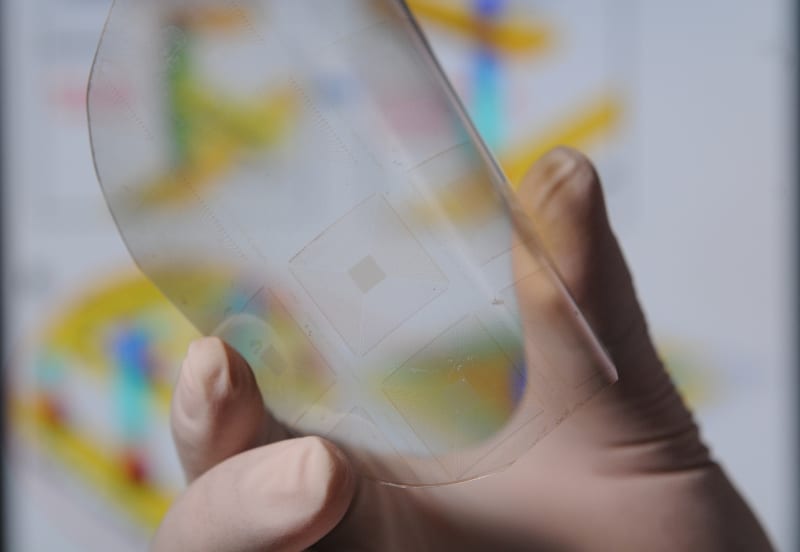
Researchers have fabricated arrays of piezotronic transistors capable of converting mechanical motion directly into electronic controlling signals.
Researchers develop technique for imaging nanoparticle dynamics with atomic resolution as these dynamics occur in a liquid environment.
 New theory suggests gravity is not a fundamental force
 Higgs boson may be driving the Universe’s expansion
 Water-powered gadgets may be on the horizon thanks to new evaporation-based energy device
 Scientists discover a new class of antibiotics
 Micron-sized hidden dimensions could solve two of physics’ deepest puzzles
 A new type of dark matter could explain mysterious radiation from the Milky Way’s core